Mark Carney's government is serious about selling airports to private investors and could unveil concrete steps when large fund managers gather in September at his Canada Investment Summit, according to Gian-Carlo Peressutti, executive director of public affairs, policy and strategy at IFM Investors. As reported by Financial Post, Peressutti stated that the government can announce very concrete things that will point the way to absolute investment opportunities, with progress made since Carney visited Australia in March and met with some of that country's largest pension funds. "What we were told was it won't be weeks, but it won't be years," Peressutti said, adding that this timeline fits with their understanding of the process. The September 14-15 summit will be a logical place to lay out a roadmap for private investment in airports, where Carney has pledged to gather the world's largest investors.
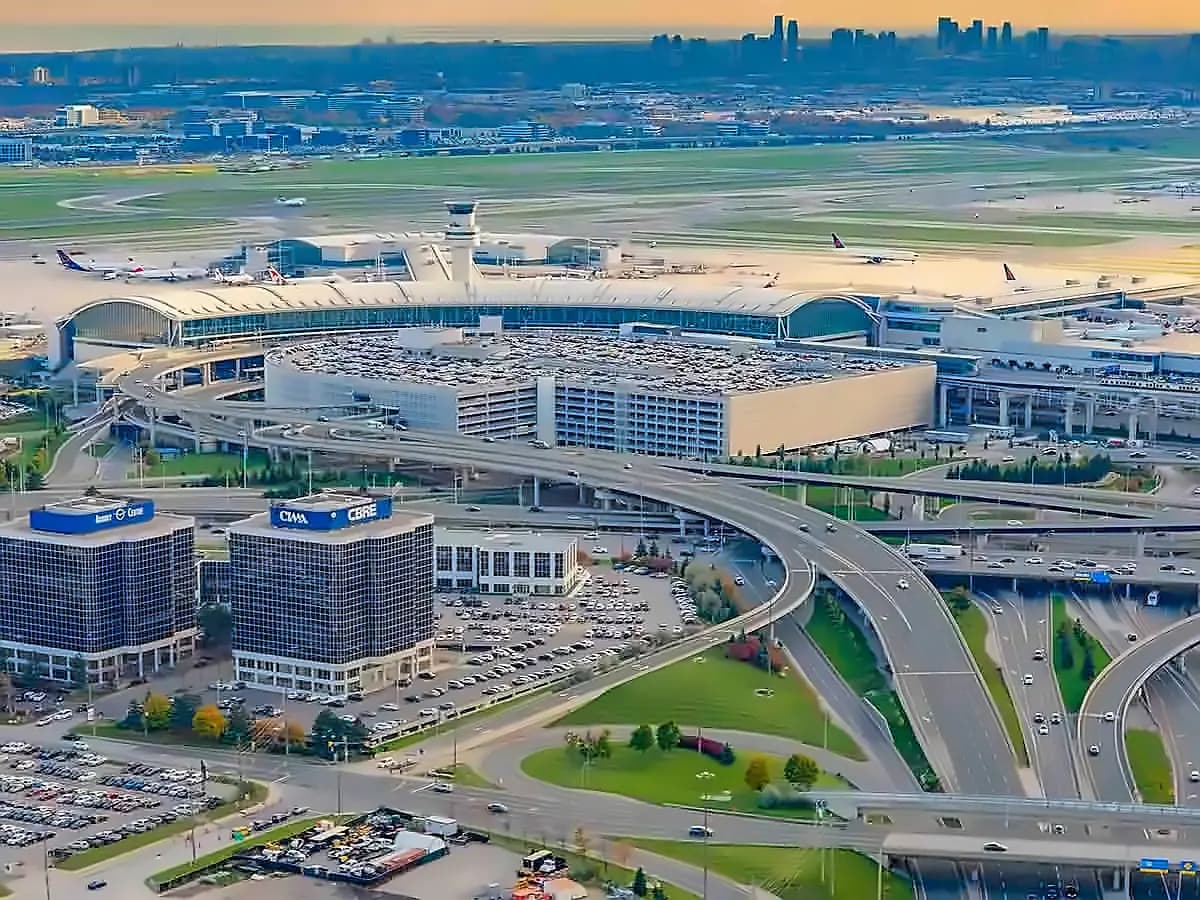
IFM Investors, which has more than $250 billion in funds under management and invests for Australia's largest pension funds, is keen to buy up to $10 billion of Canadian assets over the next decade. According to Financial Post, the fund will lead Australia's delegation to the summit in Toronto and wants to showcase unique investment structures used to acquire 17 airports globally. IFM's approach includes structures like Manchester Airports Group in the UK, jointly owned by Manchester City Council and funds managed by IFM, which calmed privatization concerns by leaving a stake in public hands. The fund will lead Australia's delegation to the summit in Toronto and wants to help move things along by showcasing some of the unique structures its investment teams have used to acquire 17 airports around the world.
Peressutti revealed that there are government and quasi-government organizations that have told them they are responsible for submitting options to the prime minister's office about how airport privatization could work. As reported by Financial Post, his understanding is the government is looking to present more than one potential scenario for structuring the transition to private investment, indicating they're decently far along in the process. "That tells me that they're decently far along," Peressutti said, noting that progress has been made since Carney visited Australia in March and met with some of that country's largest pension funds. The government has pledged to gather the world's largest investors at the September 14-15 summit, where concrete announcements are expected.
Governance changes and possibly legislation would be required to privatize a couple of dozen large airports, including Toronto Pearson, which operate under not-for-profit authorities. According to Financial Post, a recent Nanos Research Group survey for Bloomberg News showed a slim majority of responses opposed the government's plan to allow private investment in Canadian airports. However, IFM remains interested so long as the federal government is clear about its intention, with Peressutti noting that most failures in public-private partnerships come when one side wasn't exactly sure of the deal they were getting into. Public opinion may also be an issue, but the government's clear intention could help address these concerns.
If Australian pension funds were to buy a Canadian airport, it would likely be done in partnership with at least one of Canada's Maple 8, including the Canada Pension Plan Investment Board and the Caisse de dépôt et placement du Québec. As reported by Financial Post, Peressutti indicated there would be a consortium of which the Maple 8 would be a major part, making sense since it's their home market and could help with public opinion. IFM is also looking for toll roads, seaports, renewable energy, liquid natural gas, midstream oil pipelines and data centres in Canada, focusing on what they call legacy infrastructure.