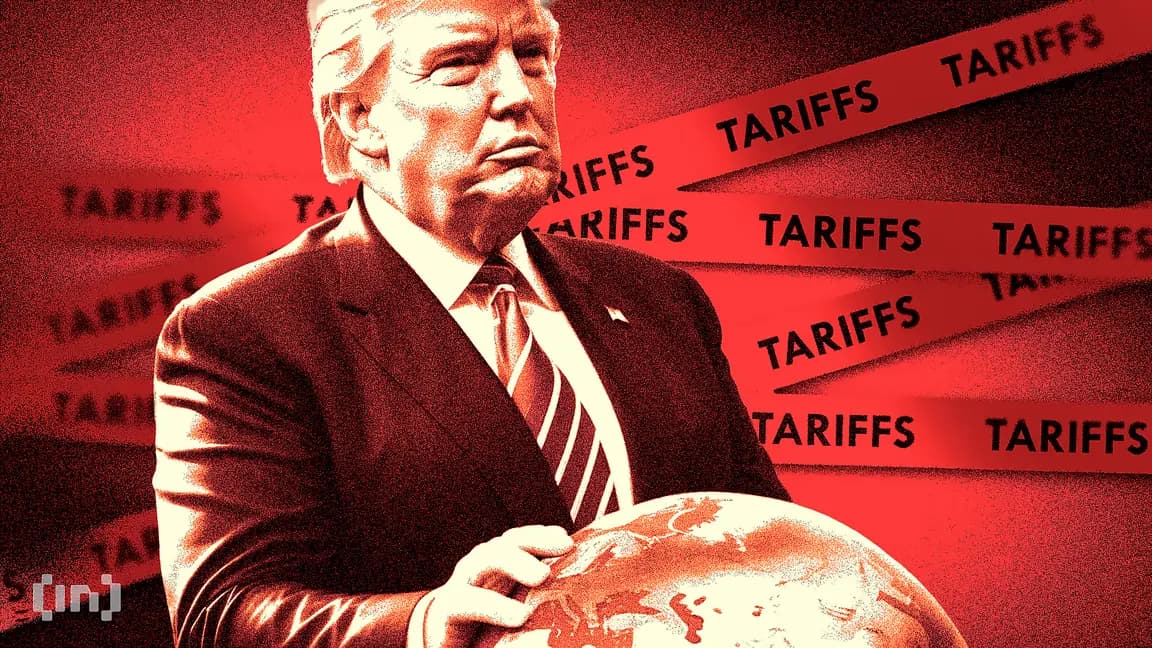
Anthropic has taken its latest AI models Fable 5 and Mythos 5 offline to comply with a directive from the Trump administration preventing their use by foreign nationals. According to reports from Associated Press, this marks the US government's most significant step to date to restrict access to the most advanced AI models. The San Francisco-based company released Fable widely this week, while the even more advanced Mythos model announced on April 7 is so capable that Anthropic has tightly limited its use to select customers due to cybersecurity fears. As Carney noted, "The situation we're in collectively right now with Mythos and Fable is something that can happen with overreliance on certain models."
Canadian Prime Minister Mark Carney warned Sunday that US restrictions on Anthropic's AI models demonstrate the dangers of overreliance on a limited number of American providers. As reported by Associated Press, Carney made these comments in Ireland ahead of the G7 summit in Evian-les-Bains, France, stating that "nobody has done anything wrong in the situation, but we will have done something wrong if we just accept this, don't take the lesson, don't build out and diversify." Carney emphasized that "it is never a good idea to have one option," linking the US AI curbs to Canada's push to diversify trade and technology. Speaking to reporters in Dublin, Carney drew parallels with the 2008 financial crisis, noting that "we have similar things in terms of model risk" and emphasizing the need for redundancy and diversity in AI development.
Artificial intelligence will be one of the major discussions at the G7 summit on Monday night, according to Carney's comments reported by Associated Press. The Canadian PM spent 45 minutes talking with French President Emmanuel Macron about artificial intelligence on Friday night, noting there "will not be a mission accomplished banner" coming out of the summit because the issues are complex. Carney indicated that USMCA discussions will be held among principal negotiators including Dominic LeBlanc, Canada's minister responsible for US trade, Janice Charette, Canada's chief negotiator, and US Trade Ambassador Jamieson Greer and Treasury Secretary Scott Bessent. Leading industry figures including Anthropic CEO Dario Amodei and OpenAI CEO Sam Altman are scheduled to attend the gathering of leaders from the US, Canada, France, Germany, Italy, Japan, the United Kingdom, and the European Union. As reported by Anadolu, Carney noted that "there was still a good flow of information" between Canadian and US officials on artificial intelligence policy, with Washington having raised concerns linked to risks associated with Anthropic's latest models.
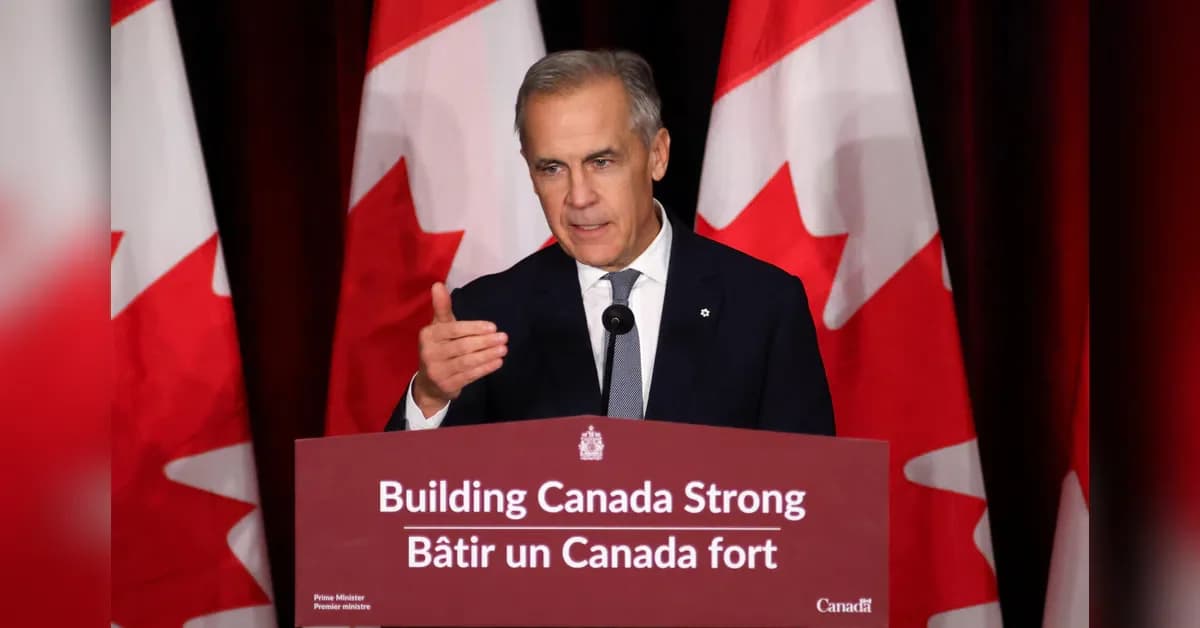
The AI restrictions highlight Canada's push to diversify trade and technology beyond its current dependence. As reported by Associated Press, more than 70% of Canada's exports go to the US, and Carney has set a goal for Canada to double its non-US exports in the next decade. Trump's trade war is causing a chill in investment, making the diversification strategy increasingly important for Canadian economic resilience. Carney noted that Ottawa and Washington maintain "a good flow of information" on artificial intelligence policy, though he emphasized that Canada must accelerate efforts to reduce dependence on US digital infrastructure. The G7 meeting is expected to address trade relations, critical mineral supply chains, and the war in Ukraine alongside technological sovereignty concerns.
Carney visited his family's ancestral village of Aghagower, Ireland, earlier Sunday, where his grandfather Robert Carney and grandmother Nora Moran immigrated to Canada in the 1920s. According to Associated Press, Owen Morgan from Mayo county noted that "people are very impressed" with Carney's stance for Canadians, with residents viewing him as standing up for their interests. Despite the free trade agreement between US, Canada and Mexico being up for renewal, Carney does not have a bilateral meeting scheduled with Trump at the G7 summit. The G7 meeting is expected to address trade relations, critical mineral supply chains, artificial intelligence, and the Ukraine war alongside technological sovereignty concerns.