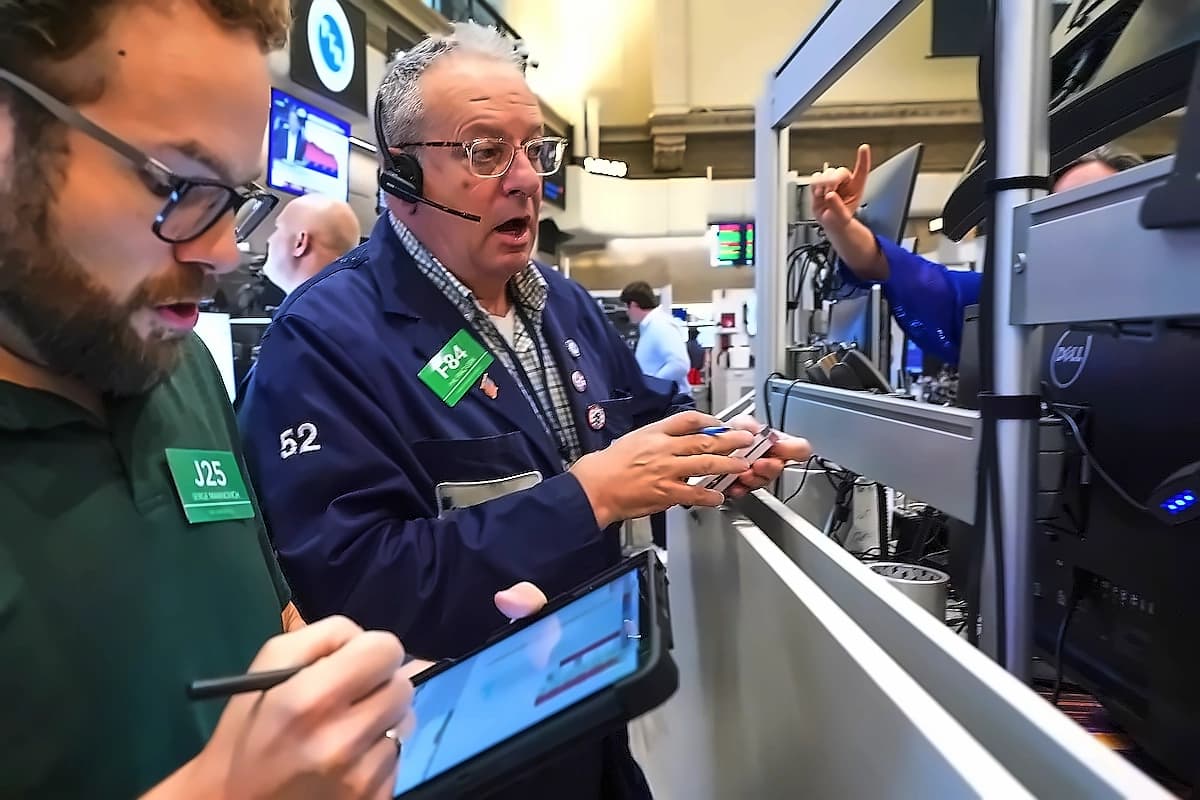
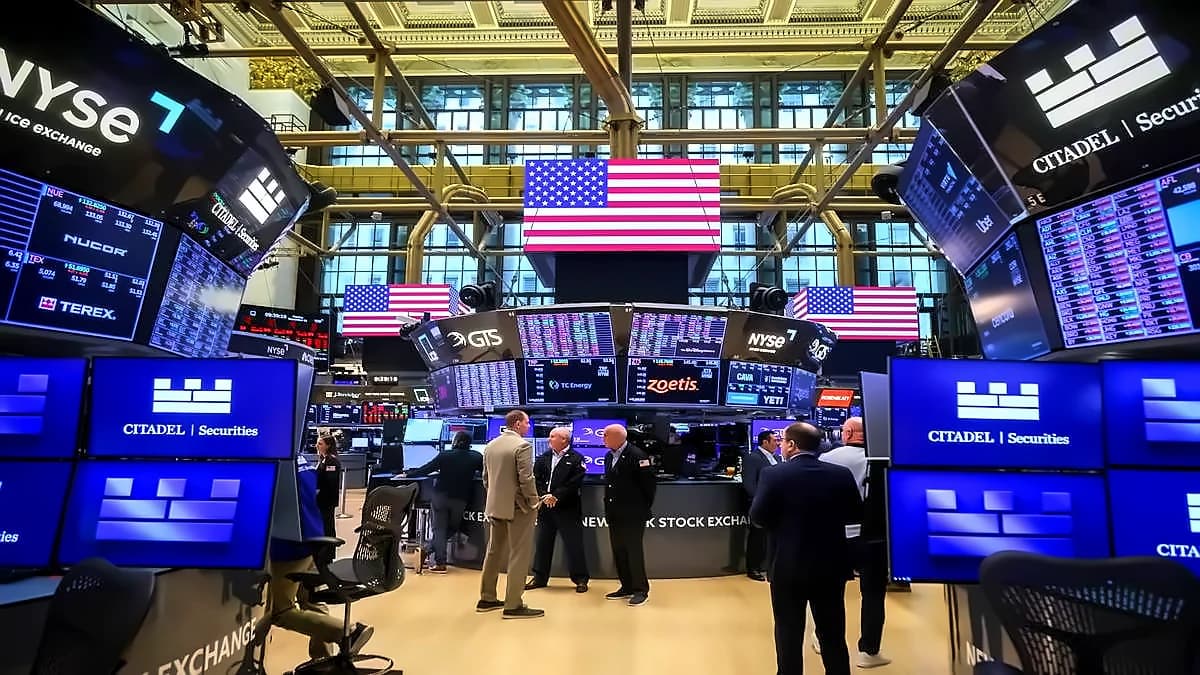
The current bull market has experienced a significant acceleration, with the S&P 500 surging 16% over the past six weeks to reach multiple new all-time highs. This recent rally has been substantiated by tremendous profit growth, with index earnings soaring 27.7% in the first quarter, as reported by Investing.com India. The bull market, which began on October 12, 2022, has now delivered solid double-digit gains across most market segments, with the latest data showing continued momentum despite some underlying concerns about market breadth and valuations. The latest surge was particularly dramatic, driven by a panic in software and subsequently the Iran war before markets went into one of the most spectacular rallies on record as hostilities in the Middle East came to a halt.
Market tensions have intensified significantly with 30-year US Treasury bond yields reaching their highest level since 2007, touching 5.17% after earlier hitting 5.18% on Tuesday. According to The Economic Times, this surge reflects rising inflation worries amid the Middle East war, with the benchmark yield climbing from 4.61% before the US-Israel alliance began strikes on Iran in late February. The increase means Washington must pay higher sums to raise debt, a reflection of rising risk of persistent inflation. Oil prices have risen around 60% since the start of the Middle East war, as Iran effectively closes the vital Strait of Hormuz to most tanker traffic, with oil industry insiders warning crude prices could rise further if there's no agreement between Washington and Tehran to get shipments moving.
The bull market's narrowness stems primarily from the exceptional performance of large-cap technology companies, which have delivered triple-digit gains since the AI theme emerged. As reported by Investing.com India, this sector dominance has made other double-digit performers appear as underperformers. The AI revolution began with ChatGPT's introduction in late November 2022, followed by the Magnificent-7 leading initial AI exuberance, with semiconductor-related stocks subsequently soaring and contributing significantly to triple-digit gains. The most recent catalyst came from Anthropic's disclosure of stratospheric revenue growth driven by its Opus model's coding capabilities, with users reporting 10x coding productivity improvements that allow single developers to accomplish what previously required entire engineering teams. This productivity revolution has already triggered major workforce reductions, with Meta announcing 10% workforce cuts and Block reducing its workforce by 40%, as companies realize massive cost efficiencies from AI-driven automation.
Current market valuations show more restrained conditions compared to the late 1990s technology bubble. According to Investing.com India analysis, the S&P 500 Information Technology sector's forward P/E ratio of 24.3 is not significantly above the S&P 500's overall 21.1 ratio, contrasting with the 20-point spread during the Tech Bubble. The combined market-cap share of Information Technology and Communication Services sectors stands at 48.0%, well supported by their forward earnings share of 42.9%, compared to the Tech Bubble peak of 40.2% market-cap share versus 24.0% earnings share. However, rising bond yields are becoming a greater concern in Europe, with the 10-year German bund yield approaching 3.2%, a level not seen since 2011, according to analyst John Plassard of Cite Gestion. Analysts are positioning more defensively short-term, citing rising interest rates, deteriorating market breadth, and persistent inflation as headwinds for risk assets, with 10-year yields potentially reaching 4.75%-5%.

Despite the narrowness, earnings breadth is improving within the S&P 500 and among SMidCaps sectors. As reported by Investing.com India, the analysis shows that eight of the 11 S&P 500 sectors are double-digit underperformers, with the remaining three sectors delivering exceptional returns. The outlook remains positive, with analysts maintaining an S&P 500 target of 10,000 by the end of the decade, based on expectations that AI productivity improvements will continue to broaden market participation and sustain the current bull market momentum. However, South Korea's $4.6 trillion stock market is showing signs of euphoria with a 200% surge over the past year, featuring near 10-fold surge in new account openings for under-18s and daily price swings of 5% or more making it the most volatile major stock gauge worldwide. Despite strong fundamentals, analysts expect a summer pullback or correction, especially in rate-sensitive and highly leveraged sectors, but view any drawdown as a buying opportunity supported by historical rally data and the ongoing AI investment cycle.