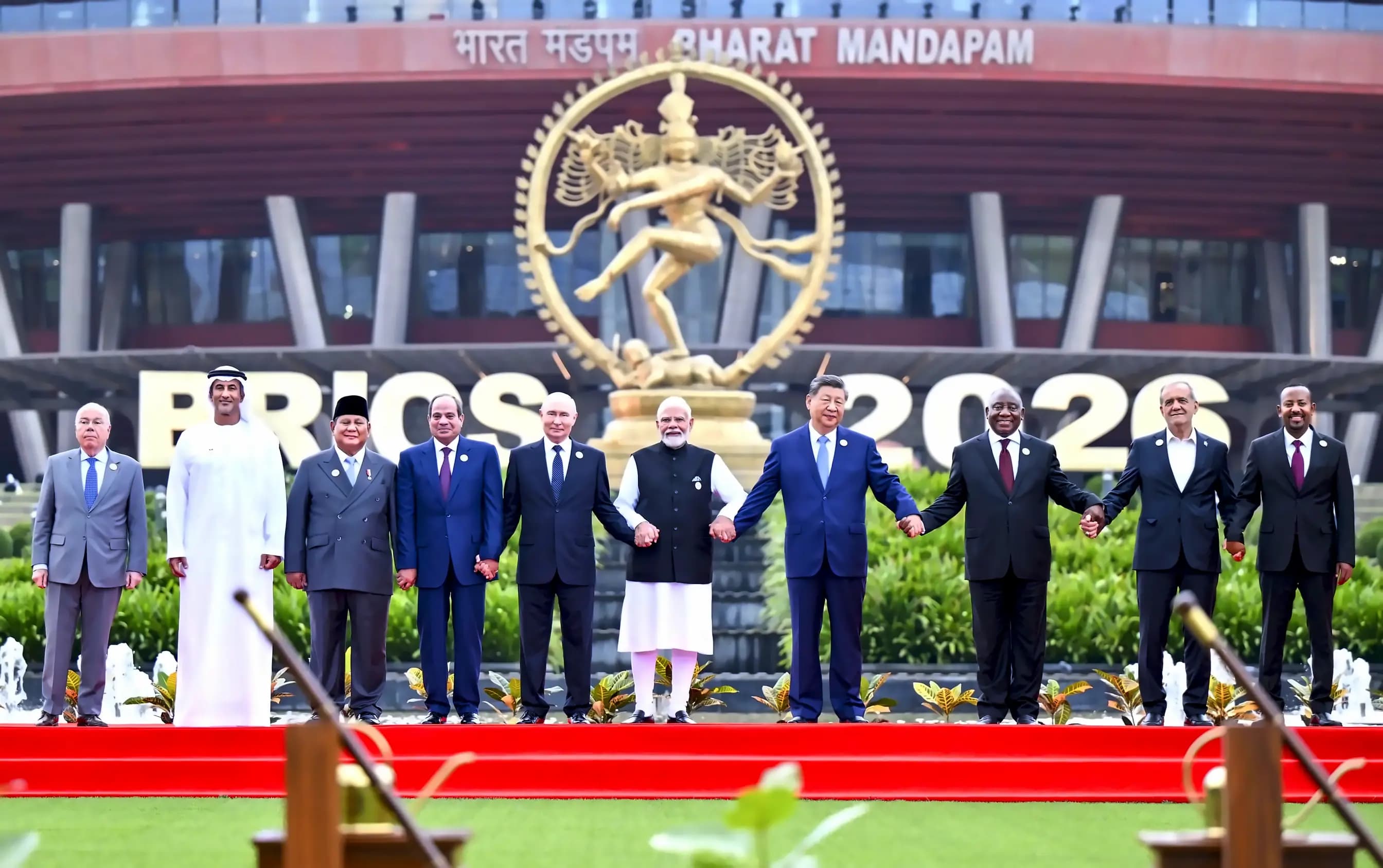
BRICS+ countries should establish a joint cross-border payments mechanism to reduce reliance on the US dollar, according to a new think tank report. The paper, published by non-profit policy platform BRICS+ Thinking, urges the expanded grouping of major emerging economies led by Brazil, Russia, India, China and South Africa to commit to such a mechanism and implement the necessary technical requirements. As reported by Reuters, the authors emphasized that 'it is absolutely crucial that their central banks embrace this goal and make sure that all the technical requirements are put in place to allow this mechanism to function'. Recent analysis shows that each BRICS+ member (other than China) has more than 30% of its respective aggregate imports from countries within the group by 2024, highlighting the growing interdependency within the bloc.
Cross-border payments have been on the BRICS agenda for some time, though efforts to integrate members' financial infrastructure have made limited progress. According to the report, in a declaration issued after their September summit in India, BRICS leaders said they would continue work on faster, cheaper cross-border payments, including by linking payment systems and increasing the use of local currencies. The think tank authors noted that 'cross-border payments have long been on the BRICS agenda, though efforts to integrate members' financial infrastructure have made limited progress'. However, recent data reveals that intra-regional dependency within BRICS has been high in terms of export destinations, with individual exports at around 43% of aggregate exports for Russia, 28% for Indonesia and around 20% for India in 2014. China, as usual, has a more global reach for their exports, sending less than 15% of its aggregate exports to other BRICS+ nations.
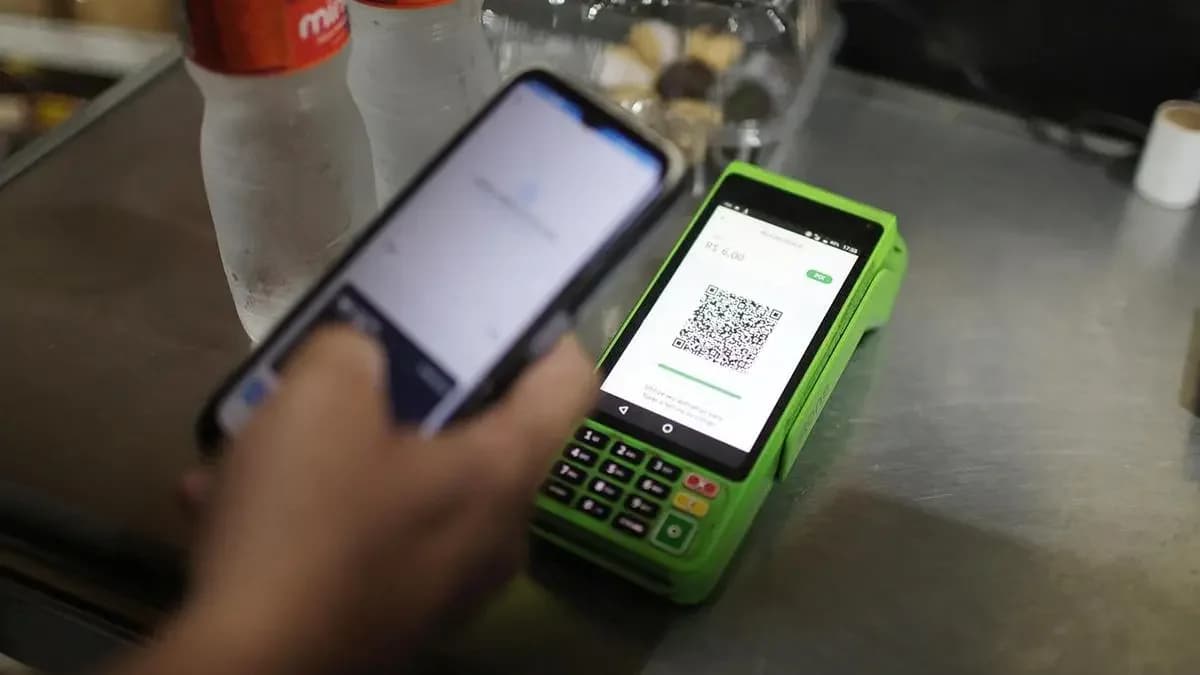
Introducing a shared BRICS+ currency would require 'dramatic reforms' across the group, including greater central bank independence, a common monetary authority and fewer restrictions on capital flows. As reported by Reuters, the authors stated that 'the initial prognosis for the possibility of a BRICS+ currency is not hopeful' and would have to be freely convertible both domestically and internationally, a difficult requirement under current policies. They highlighted additional challenges including 'how these countries are geographically dispersed and how they show no enthusiasm for delegating policy autonomy to a common central bank'. Recent analysis indicates that currency content of transactions across nations, even while using local currency, may be in different units, with India and Russia having traded in local currencies, but there has not been any indication of the use of any local (or other) currency different from the USD for other BRICS+ transactions.
The New Development Bank (NDB) has disbursed only $42.9 billion for 139 projects since its inception in 2015, with modest growth performance. As per NDB sources, India, China, and Brazil respectively received $9.5 billion, $7.1 billion, and $7.5 billion of the total disbursements. China seems to be the major host country providing $10 billion as loans to the bank. The bank's portfolio composition shows local currencies providing only 29.3% of the $35.6 active portfolio by end of 2025, with the RMB at 21.5%, Euro at 9% and Rupee only at 1%, leaving the share of USD to exceed 50% of the NDB portfolio. This performance gap between goals and reality has led to calls for 'steps to initiate more space for local currencies within the BRICS+'.