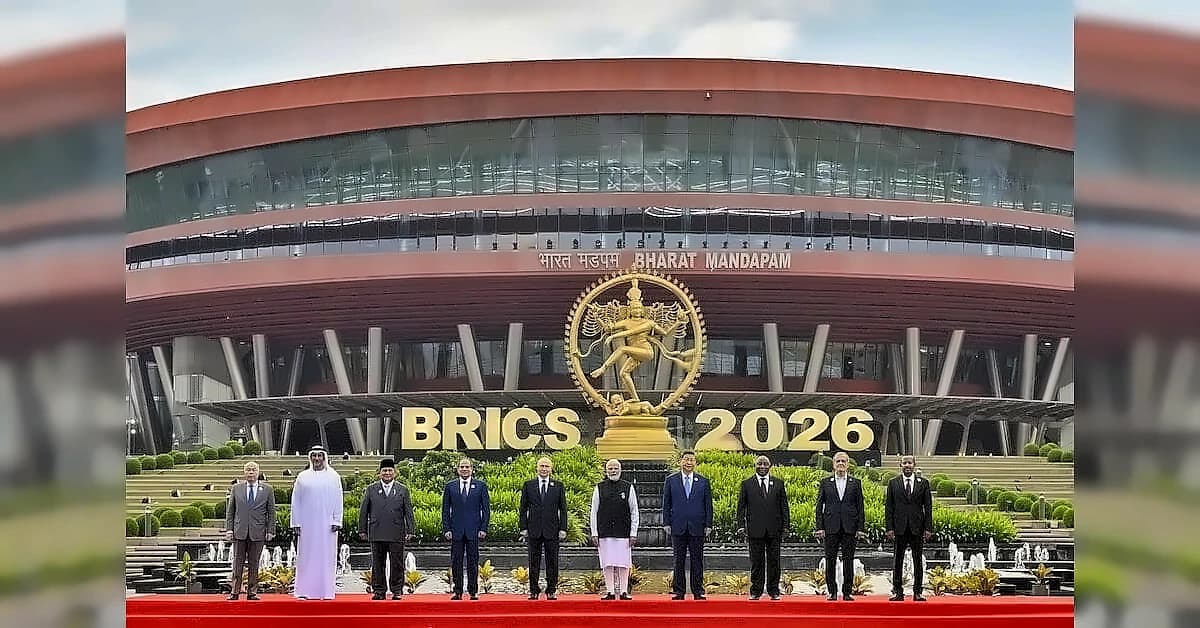
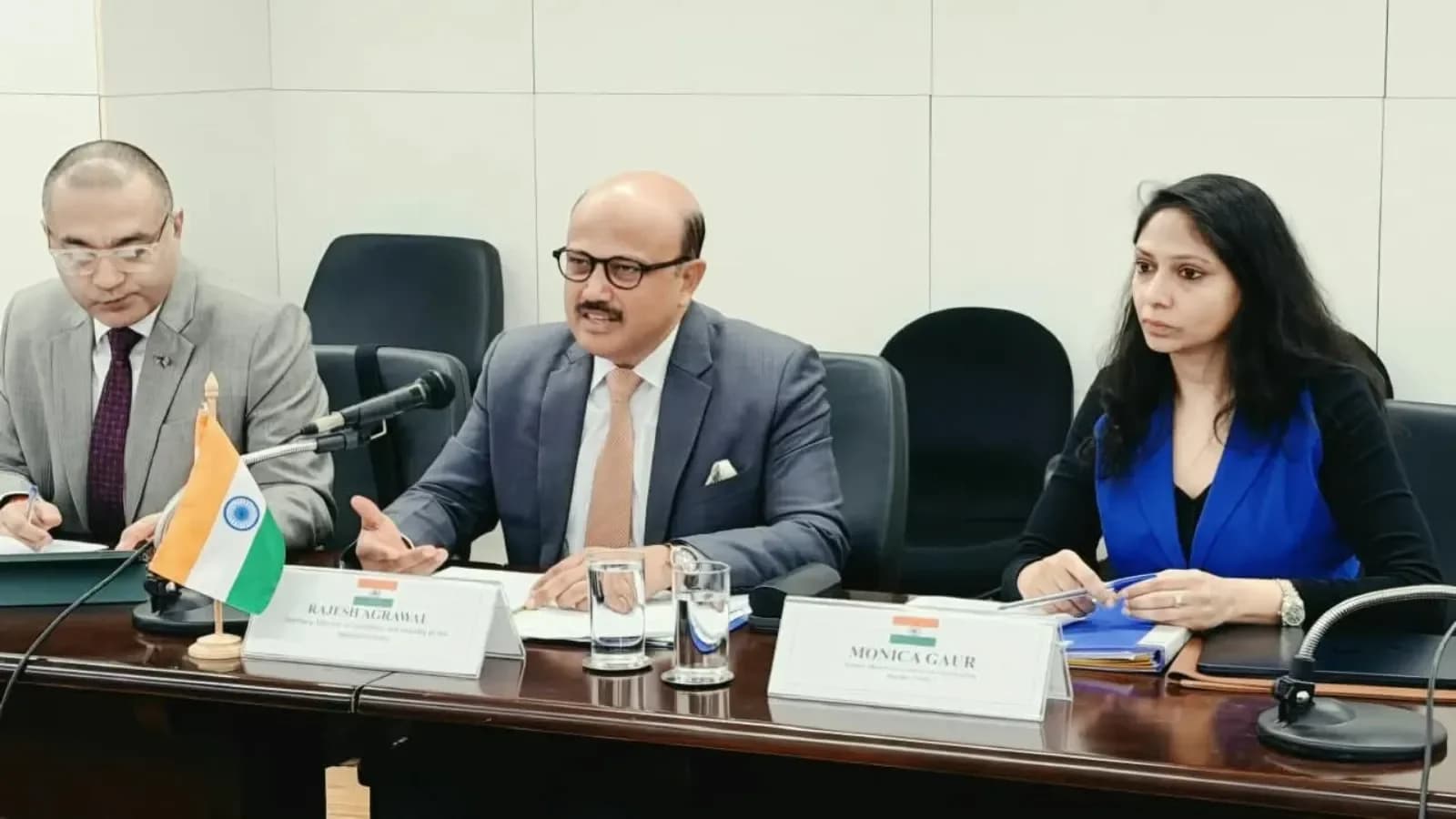
BRICS leaders ended their 2026 summit without a proposal for a common currency, instead backing greater interoperability between national payment systems and more settlement in local currencies. As reported by Business Standard, the discussions focus on interoperability of payment and messaging channels and the use of local currencies for trade settlements and investments. The BRICS Payment Task Force will continue to explore practical solutions for efficient cross-border payments, building on the BRICS Cross-Border Payments Initiative referenced in previous declarations. India's DEA Secretary Anuradha Thakur emphasized that these initiatives are part of India's broader transition from seeking greater voice for emerging markets to playing a role in shaping the global economic order. The shift represents a practical approach to reducing dollar reliance without requiring an entirely new currency system. According to NUS Institute of South Asian Studies, the practical objective is developing mechanisms that enable members to conduct a greater proportion of bilateral trade in their own currencies and reduce transaction costs, which requires compatible payment systems, adequate liquidity, reliable settlement arrangements, regulatory cooperation and confidence among financial institutions.
India's economic strength has provided the foundation for expanding its global role, with GDP growing from $2.5 trillion to $4.3 trillion. According to Thakur's statement, the country has maintained disciplined management of inflation and public debt. The World Bank has recognized India's progress in poverty reduction, with the share of people living in poverty falling from 57.7% to 16.1% and extreme poverty declining from 27.1% to 2.6%. India's economic diplomacy has become increasingly diversified, with nine free trade agreements covering 38 countries signed since 2021. Indian trade with BRICS members has more than doubled from $203 billion in 2020-2021 to $417 billion in 2025-2026, as reported by The Indian Express. The BRICS New Delhi Declaration 2026 emphasized customs cooperation, trade finance, supply chains and digital payments while addressing trade asymmetries among member countries.
BRICS payment systems have already demonstrated massive scale, with India's UPI and Brazil's Pix processing more than $10 trillion combined over the past 18 months, according to the Financial Times. UPI has more than 550 million users, while Pix has over 170 million users. The next step involves connecting domestic payment rails across borders to create seamless cross-border transactions. India has pushed ahead of the summit for BRICS countries to explore linking their central bank digital currencies for cross-border payments, though technical differences and limited CBDC adoption remain obstacles. The declaration steered clear of a unified currency, focusing instead on the incremental goal of promoting trade settlement in members' own currencies while acknowledging "no one-size-fits-all approach." As noted by NUS Institute of South Asian Studies, the long-term value of BRICS financial cooperation should be assessed through the institutions and mechanisms it develops rather than through rhetoric surrounding a possible common currency.
The BRICS New Delhi Declaration 2026 emphasized practical cooperation on climate change through the 2025 Framework Declaration on Climate Finance, calling for reform of multilateral development banks, greater concessional finance, and mobilisation of private capital for developing countries. The Baku-to-Belém Roadmap aims to scale climate finance for developing countries towards $1.3 trillion per year by 2035, addressing that climate costs and decarbonisation are expensive and usually borne by those who least contribute to emissions. India is leading the push for unified framework on data sovereignty and quiet cooperation in counter-terrorism with faster sharing of financial, investigative, time-bound information exchange, standardised formats, asset recovery mechanisms, and defined legal processes. The Strategy for BRICS Economic Partnership 2030 is aimed at safeguarding India's farmers' interests, all centred around the WTO, backing the existing rules-based order in trade.
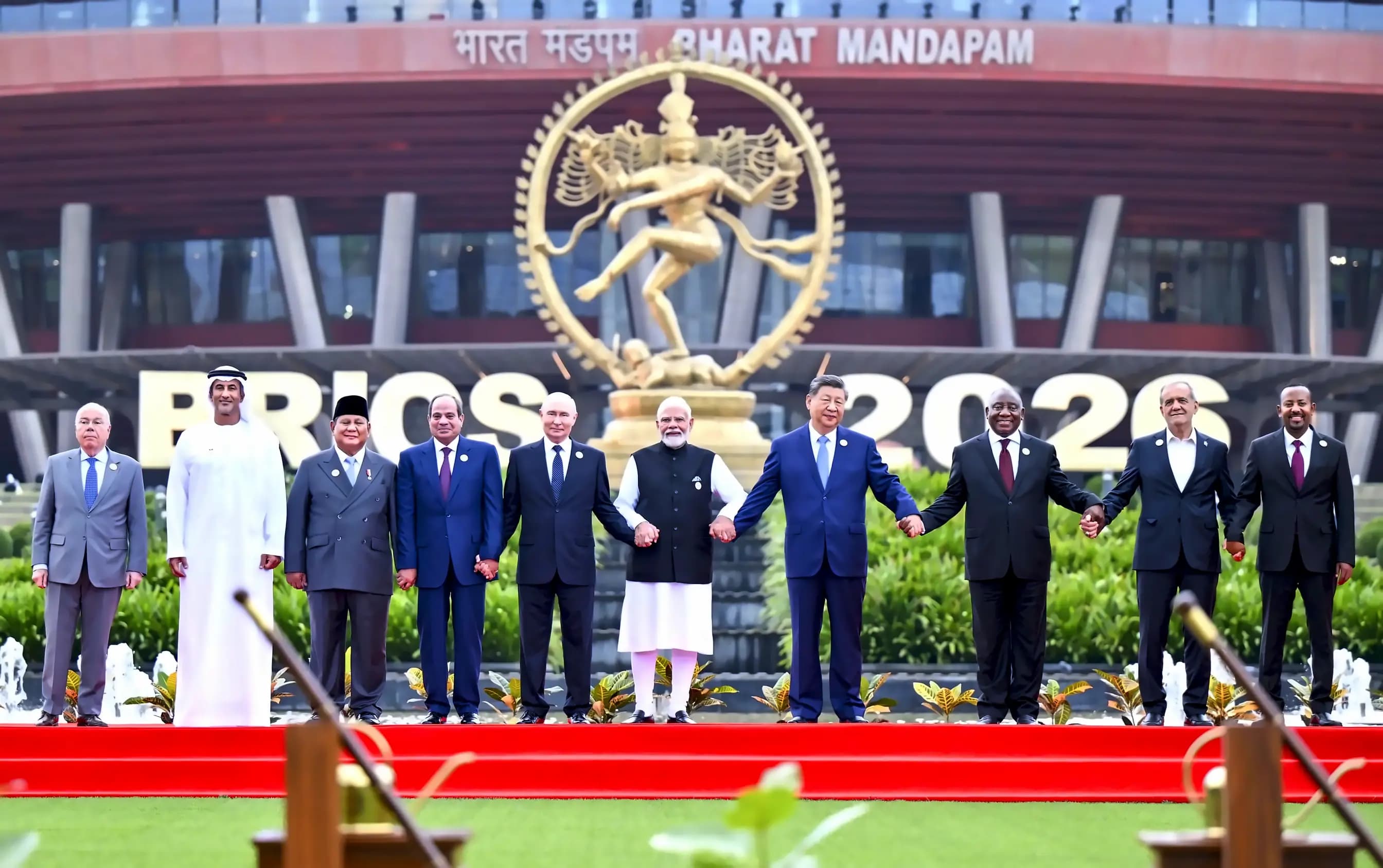
Technology provides a particularly important example for BRICS cooperation, as many members seek to expand their digital economies while simultaneously reducing dependence on external technology suppliers. Cooperation in artificial intelligence, digital public infrastructure, cybersecurity, data governance and technological skills could become an important component of the organisation's future agenda. Similarly, cooperation in renewable energy and energy transition has particular relevance for BRICS because its members include both major fossil-fuel producers and some of the world's largest energy consumers, creating differences of interest but also opportunities for complementary economic relationships. The emphasis on women-led enterprises and access to finance and technology is another example of connecting the BRICS agenda with broader development objectives. As noted by NUS Institute of South Asian Studies, if such initiatives result in practical financing, market access and skills programmes, their impact could be more substantial than formal summit commitments.