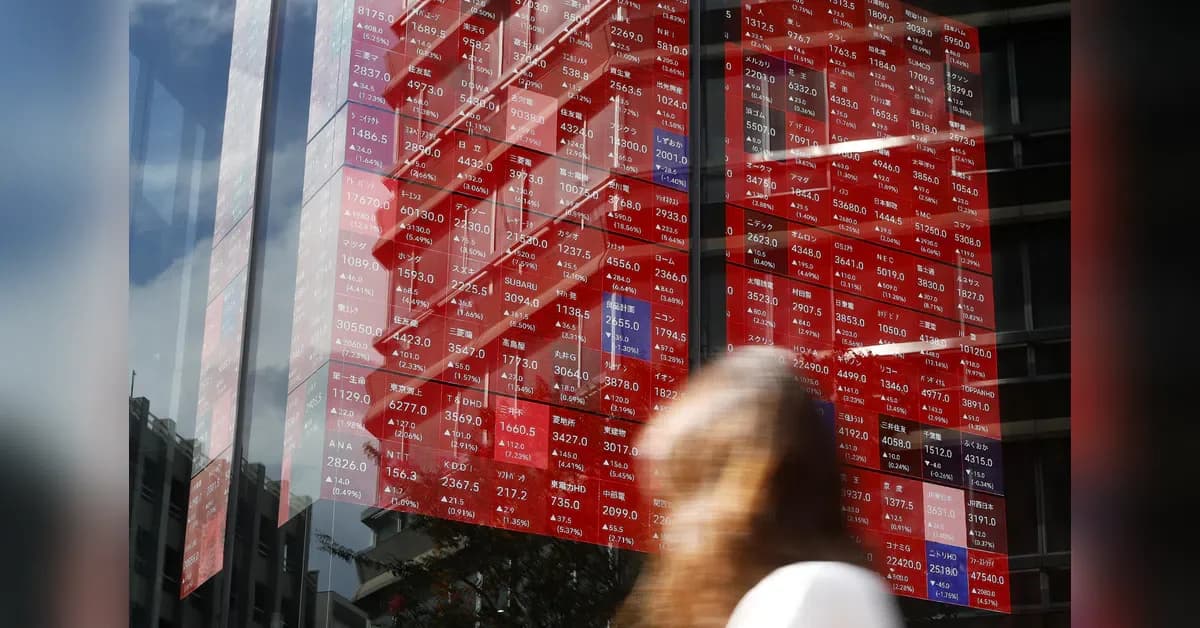
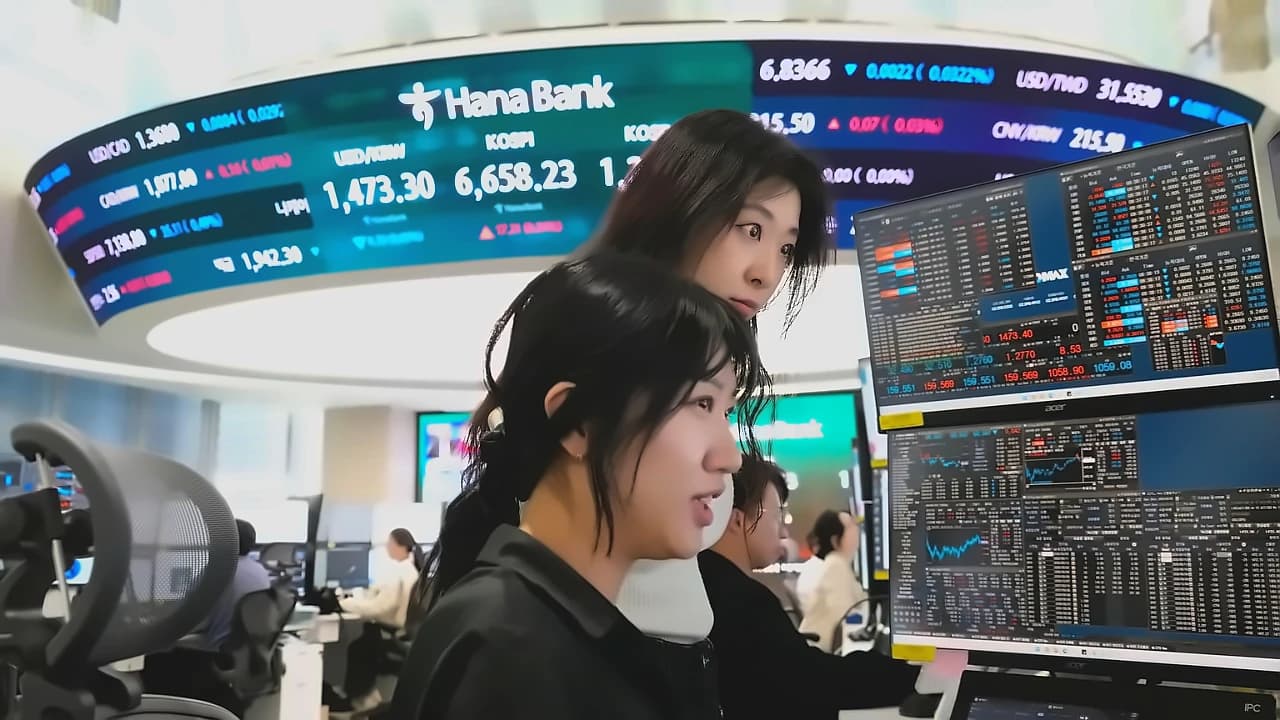
Asian markets surged on Monday as US President Donald Trump announced that negotiations with Iran are "proceeding in an orderly and constructive manner," according to Associated Press reports. Japan's benchmark Nikkei 225 surged 2.8% to 65,130.03, while Australia's S&P/ASX 200 added 0.4% to 8,692.00 and the Shanghai Composite gained 0.8% to 4,143.97. Regional officials told The Associated Press that the United States is close to reaching a deal with Iran that would end the war, reopen the Strait of Hormuz and see Iran give up its stockpile of highly enriched uranium. Trading was closed in South Korea and Hong Kong for holidays marking Buddha's birthday, while markets will be closed in the US on Monday for Memorial Day.
Oil prices experienced a dramatic decline as benchmark US crude fell $5.52 to $91.08 a barrel and Brent crude, the international standard, sank $5.56 to $97.08 a barrel on Monday, according to Associated Press reports. Early Monday, benchmark US crude was down $5.52 at $91.08 a barrel and Brent crude, the international standard, sank $5.56 to $97.08 a barrel. The closure of the Strait of Hormuz has prevented oil tankers from exiting the Persian Gulf and delivering crude to customers worldwide, with Japan, for instance, importing almost all its oil, most of it through the strait. Analyst Stephen Innes noted that "markets are rapidly transitioning from pricing geopolitical fear toward pricing a potential peace dividend as Hormuz reopening expectations pressure oil and the dollar lower."
US markets extended their remarkable rally with the S&P 500 adding 0.4% and pulling closer to its all-time high set in the middle of last week, while the Dow Jones Industrial Average rose 0.6% and the Nasdaq composite gained 0.2%, as reported by Associated Press. Recent earnings reports from US companies that topped analysts' expectations also helped markets. Friday on Wall Street, stocks finished their eighth straight winning week, the best such streak since 2023, even though a survey showed US consumers are feeling even worse about the economy than before. The 10-year Treasury yield edged down to 4.56% Friday from 4.57% late Thursday, though it remains well above its 3.97% level from before the war.
Despite widespread concerns over war-related inflation fears, bond market dynamics suggest other factors are driving longer-term borrowing costs. According to reports from Business Standard, real yields in the US have had a greater impact than inflation concerns alone, indicating that bond investors are worried about multiple economic pressures beyond just price pressures from the Iran war. The 30-year Treasury bond's yield, which is seen as a barometer of geopolitical and fiscal risk, briefly touched its highest level since July 2007 last week, though it has pulled back from that milestone. As reported by Reuters, the increase in energy prices since the conflict began and the risk that prolonged disruptions will keep them high has prompted traders to bet on rate hikes across both developed and emerging markets.
In currency trading, the US dollar declined to 158.91 Japanese yen from 159.16 yen, while the euro cost $1.1639, up from $1.1605, according to Associated Press reports. The dollar's weakness reflects the market's shift from geopolitical fear to expectations of potential peace dividends. This currency movement adds another dimension to the broader market transition as investors price in the implications of a potential Iran war resolution.