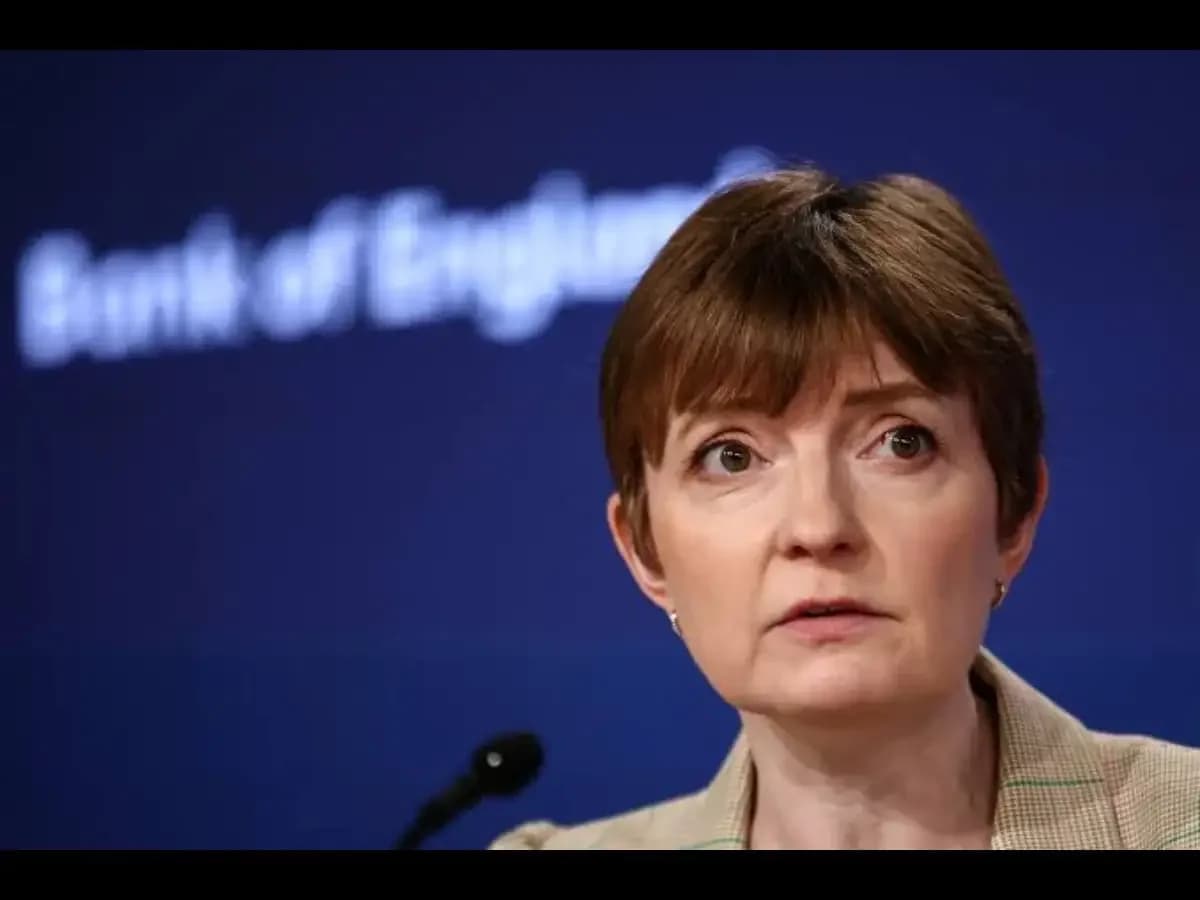
Bank of Korea board member Chang Yong-sung announced on Tuesday that the central bank will determine the timing and pace of further interest rate hikes by closely monitoring inflation, economic growth and financial stability. According to reports from Reuters, Chang emphasized that financial stability conditions would be shaped by factors including accumulating financial imbalances, improvements in sector-specific incomes, global market trends and geopolitical risks. The remarks were released alongside the central bank's financial stability report. Meanwhile, ECB Governing Council member Olli Rehn reinforced this data-dependent approach, stating that the European Central Bank would not pre-commit to a specific rate path and maintains a meeting-by-meeting, data-dependent approach for monetary policy decisions.
The comments follow the Bank of Korea's recent 25 basis point rate hike to 3.00% on August 27, which delivered the central bank's second consecutive rate increase. As reported by Reuters, the move came as inflation remained above the central bank's target and financial stability risks persisted. The BOK has been balancing persistent inflation pressures against concerns over household debt, property markets and broader financial imbalances. The latest monetary tightening represents part of a broader cycle that saw the base rate climb from 0.75% in August 2021 to 3.50% in early 2023, marking a cumulative 300-basis-point tightening over roughly 18 months to curb inflation that had surged to over 5% in 2022 before moderating to around 2.6% in 2024.
The monetary tightening has significantly impacted small and medium-sized enterprises, with SME loan rates rising from 2.92% in 2021 to 5.0% in 2024, while large corporation rates climbed from 2.74% to 5.04% over the same period. According to Financial Supervisory Service data, the SME non-performing loan ratio increased from 0.56% in 2022 to 0.83% in 2024, reflecting elevated financing costs and reduced access to credit. The interest-rate spread between SME and large-corporate loans has narrowed to around 0.1 percentage points by 2024, indicating near convergence in borrowing costs as banks prioritized portfolio risk management over aggressive SME lending expansion.
Chang stressed the need for monetary and macroprudential policies to work together to prevent financial imbalances from worsening, according to Reuters reports. He also called for coordination with fiscal and financial authorities to address difficulties faced by vulnerable groups. The central bank has indicated that tighter financial conditions may be needed to contain risks, while avoiding excessive pressure on economic activity. This coordinated approach becomes particularly crucial as the economy transitions from blanket support measures to selective assistance programs.
The BOK is closely watching global financial market developments, including changes in major central banks' monetary policies, as these could affect capital flows, the won and domestic financial conditions. As reported by Reuters, geopolitical uncertainties are another factor that could influence the outlook for inflation and financial stability. Meanwhile, ECB's Rehn warned that geopolitical disruption continued to present upside risks to inflation, emphasizing that monetary policy cannot directly resolve physical supply bottlenecks but is essential to ensure external price shocks do not become embedded in inflation expectations.