Bank of England Governor Andrew Bailey has challenged the conventional wisdom about energy price pass-through, stating that rising energy prices have had limited broader inflationary effects so far. Speaking at a meeting of the Institute of International Finance in Bangkok, Bailey warned that it was too early to assess the full extent of potential second-round inflationary pressures. According to Reuters, Bailey said the evidence of wider price pressures remained subdued, with businesses focusing heavily on cutting costs and struggling to pass higher energy expenses on to customers. His comments come as the central bank faces a delicate balancing act between rising energy prices and potential economic growth damage from tighter monetary policy, with inflation currently at 3.1%, above the 2% target. The governor noted that his discussions with businesses across Britain suggested companies were prioritising cost reductions and facing difficulties in passing higher energy costs on to consumers.
Bank of England Chief Economist Huw Pill has expressed scepticism about market expectations for four quarter-point rate hikes over the next 12 months, highlighting divisions within the Monetary Policy Committee. Speaking at an event organised by Citi on the sidelines of the International Monetary Fund's semi-annual meetings in Bangkok, Pill questioned whether borrowing costs would need to rise by as much as financial markets anticipate. His comments come after Pill and two other MPC members voted for a rate increase in September, while the majority, including Governor Andrew Bailey, favoured keeping rates unchanged until there was greater clarity on the conflict's economic impact. According to Reuters, Pill said it was not yet clear whether four rate increases would be warranted over the coming 12 months, as the central bank faces a delicate balancing act between rising energy prices and potential economic growth damage from tighter monetary policy. Most economists now expect the Bank of England to begin raising interest rates next month, according to a Reuters poll, after the central bank kept monetary policy unchanged following the outbreak of the US-Iran war in February.
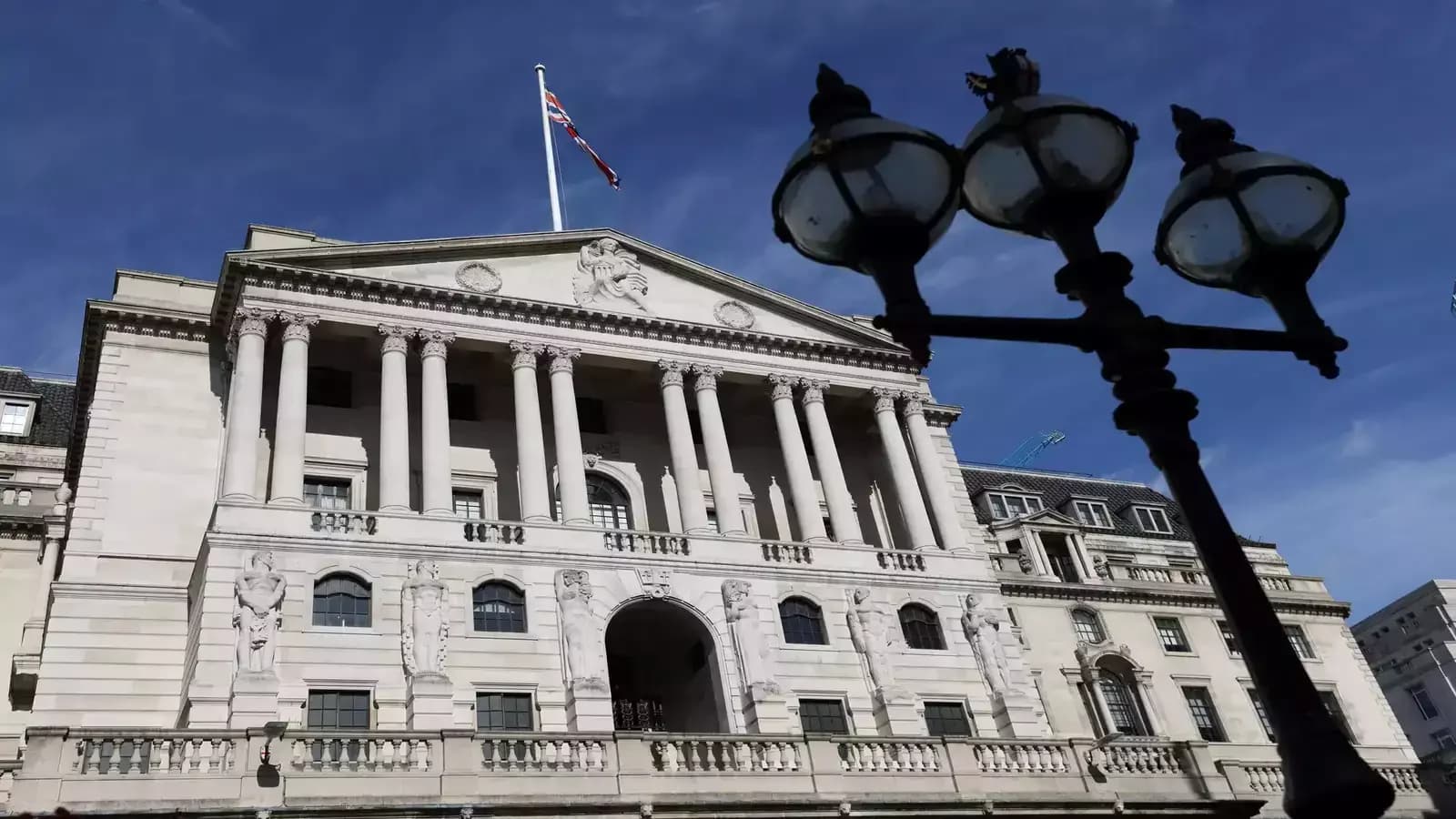
Bank of England policymaker Megan Greene has reinforced her hawkish stance, warning that waiting for second-round inflation effects to materialize would be too late for the central bank. According to recent reports, Greene argues that the bigger risk is failing to be proactive enough on inflation rather than raising rates too soon. Her comments come as the UK faces inflation pressure from higher oil and diesel prices following the conflict involving Iran, with policymakers concerned that letting these costs become embedded in wages and inflation expectations would ultimately require more painful tightening later. Speaking at the Atlantic Council think tank on the sidelines of the IMF's annual meeting in Bangkok, Greene emphasized that the risks of keeping borrowing costs unchanged for too long outweighed the potential costs of raising rates prematurely. Greene's message is simple: waiting until inflation shows up in wages and prices would be too late, so the Bank of England should act before inflation is fully transmitted.
Despite inflation concerns, Governor Andrew Bailey noted that the British economy was proving more resilient than policymakers had anticipated. Data released on Thursday showed that annual economic growth in August was the strongest since October 2022, providing a more encouraging picture of economic activity despite persistent price pressures. According to Reuters, this stronger growth performance has influenced Bailey's cautious approach to monetary policy tightening. The governor has previously argued that the sharp increase in British mortgage rates and other borrowing costs since the start of the US-Iran war had given the central bank some time to assess whether an interest rate increase was necessary. However, other BoE policymakers have warned that waiting for conclusive evidence of second-round effects could leave the central bank behind the curve, with annual pay settlements expected in early 2027 potentially providing clearer indications of whether higher energy costs are feeding into wages and sustaining inflation.
Greene's hawkish message has gained significant market attention, with recent reports putting market expectations of a November hike at around 84%. Her concerns about second-round effects from the current inflation cycle are particularly relevant as she expects the UK to see these effects materialize. According to recent reports, Greene voiced concern that wage growth of around 3.5% next year would be worrying, raising the risk that higher prices feed into pay deals and prompt firms to raise prices further. The comments add pressure on the gilt market at a time when global bond yields are already elevated, with upcoming UK wage and inflation data being key for whether her view gains wider support on the committee. Her position contrasts with that of policymakers who favour a more cautious approach amid concerns about the impact of elevated borrowing costs on households and businesses. The geopolitical turmoil has also contributed to volatility in British government bond markets, with Bailey noting that developments in the Middle East were the principal driver of sharp movements in government bond yields, some of which reached their highest levels since 1998 last week.