Global equity markets surged to record highs on Wednesday, with European stocks opening sharply higher as investor optimism over artificial intelligence and easing geopolitical tensions lifted sentiment. According to Reuters, MSCI's All-Country World Index rose 0.56% to a new record, while the broadest index of Asia-Pacific shares outside Japan leapt 2.8% at one stage before dipping 0.1%. Major benchmarks across Europe rose more than 1% in early trading, with the FTSE 100 gaining 1.2%, Germany's DAX climbing 1.8%, and France's CAC 40 advancing nearly 1.7%. The rally was further supported by hopes of progress in talks aimed at ending the US-Iran conflict, helping ease concerns over energy supplies and global trade disruption. As per The Economic Times, Mark Matthews from Julius Baer noted that while mainstream global newspapers remain consumed by Middle East developments, financial markets are being driven by a much larger structural theme — the explosive momentum in artificial intelligence-led growth and corporate earnings.
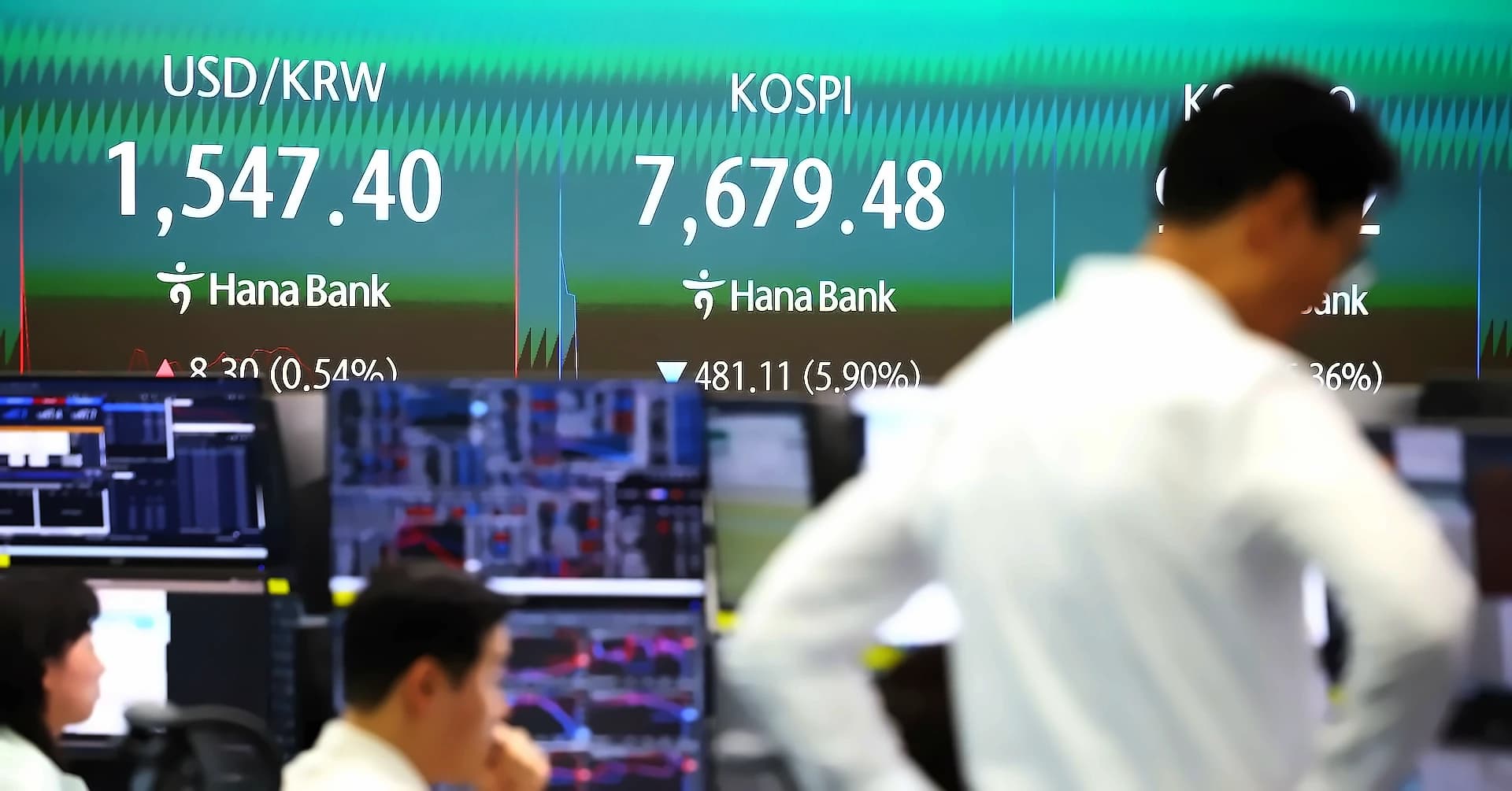
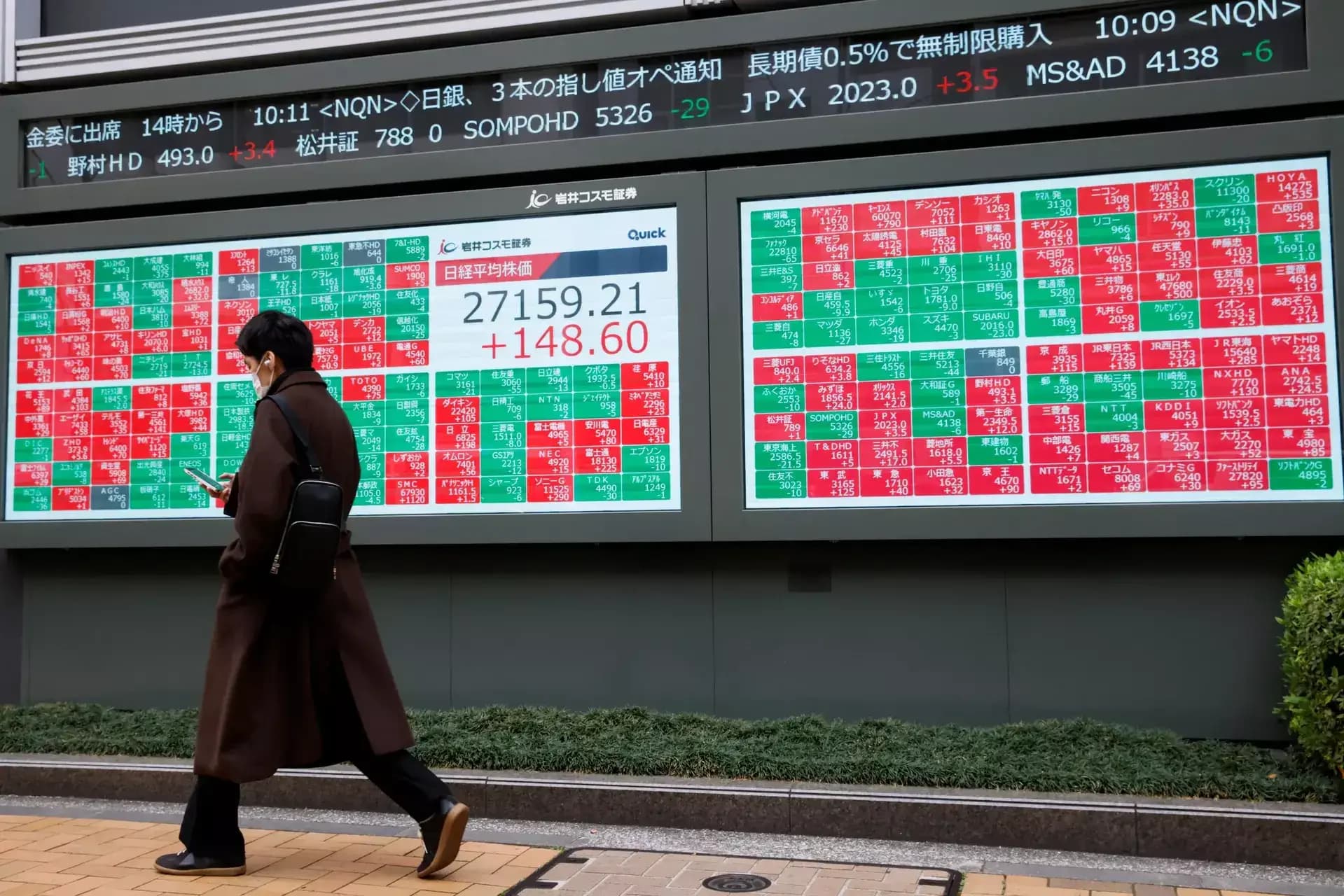
South Korea's Kospi surged 6.5% to a record high after markets reopened following Tuesday's holiday, with the rally led by Samsung Electronics, whose shares jumped almost 13%, pushing the company's market value above $1 trillion for the first time. According to Reuters, Samsung, alongside rival SK Hynix, has emerged as a major supplier of high-performance chips powering the global AI boom. SK Hynix shares also rose around 10% in early trading, demonstrating the strong demand for semiconductors in the artificial intelligence sector. The S&P/ASX 200 gained nearly 1%, while Hong Kong's Hang Seng rose 0.7% and Shanghai's Composite index added 1%, with Japanese markets remaining closed for a public holiday. Together, the two companies now account for roughly 44% of the index's total value, highlighting their dominant position in the semiconductor sector.
The semiconductor rally has been fueled by hyperscalers' aggressive capital expenditure plans, with tech giants Microsoft, Amazon, Alphabet and Meta expected to collectively spend close to $700 billion in capex this year, nearly double their 2025 outlay. According to Livemint, at least three of these companies have raised their capex guidance in the latest earnings cycle, indicating that the AI build-out remains firmly on track. AMD rose 4.02% and surged over 16% in extended trading ahead of its quarterly results, while Intel shares jumped 13% and Apple stock advanced 2.64%, reflecting broader strength in AI-linked names. The Philadelphia Semiconductor Index gained 4.2% to a record high, with the index now up 55% so far in 2026. As per The Economic Times, Mark Matthews highlighted that the current rally is being fuelled primarily by extraordinary earnings growth, particularly in the technology sector, with AMD CEO Lisa Su taking her forecast for server CPU revenues from $60 billion to $120 billion four years from now. For the S&P 500, the first quarter earnings growth is looking like 27%, with Goldman Sachs estimating AI-linked investments could contribute nearly 40% of the S&P 500's earnings growth this year.
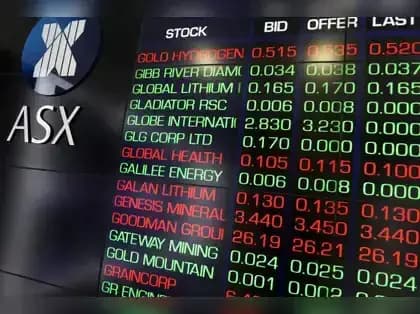
The banking sector's strong performance came after the Reserve Bank of Australia hiked its benchmark rate for a third time this year to 4.35%. As reported by The Economic Times, the 'Big Four' banks gained between 2.8% and 3.5%, with the sector benefiting from the central bank's continued tightening stance. Prashant Newnaha, senior rates strategist at TD Securities, noted that while the RBA did not signal further tightening, markets still expect another increase, likely at the August meeting, to bring inflation sustainably back to target. Swaps now imply a more than 50% chance of a 25-basis-point rate hike at that meeting. Matthews maintained that banks remain central to India's economic trajectory, noting that if the economy is improving, naturally they will do well and there is still structural growth in private banks where they are increasing their deposits at the expense of the public sector.
On the question of foreign investor sentiment towards India, The Economic Times reports that Matthews pushed back against the perception that overseas money is consistently leaving Indian equities, noting that foreign institutional investors have been net buyers in India so far this year with about $7-8 billion worth of FII buying. He acknowledged that India's earnings growth may not match the pace being seen in the United States, but maintained that the country continues to offer attractive long-term opportunities around 12-15% earnings growth this year. The market having gone sideways has become cheaper and the devaluation in the rupee has also made it cheaper for foreign investors, with Matthews expecting FIIs to continue buying. China's market performance is currently highly bifurcated, with the Hang Seng Technology Index down over 10% while the China index in Shenzhen reflecting AI, automation, robotics and EV companies is up over 10%, according to Matthews' analysis.