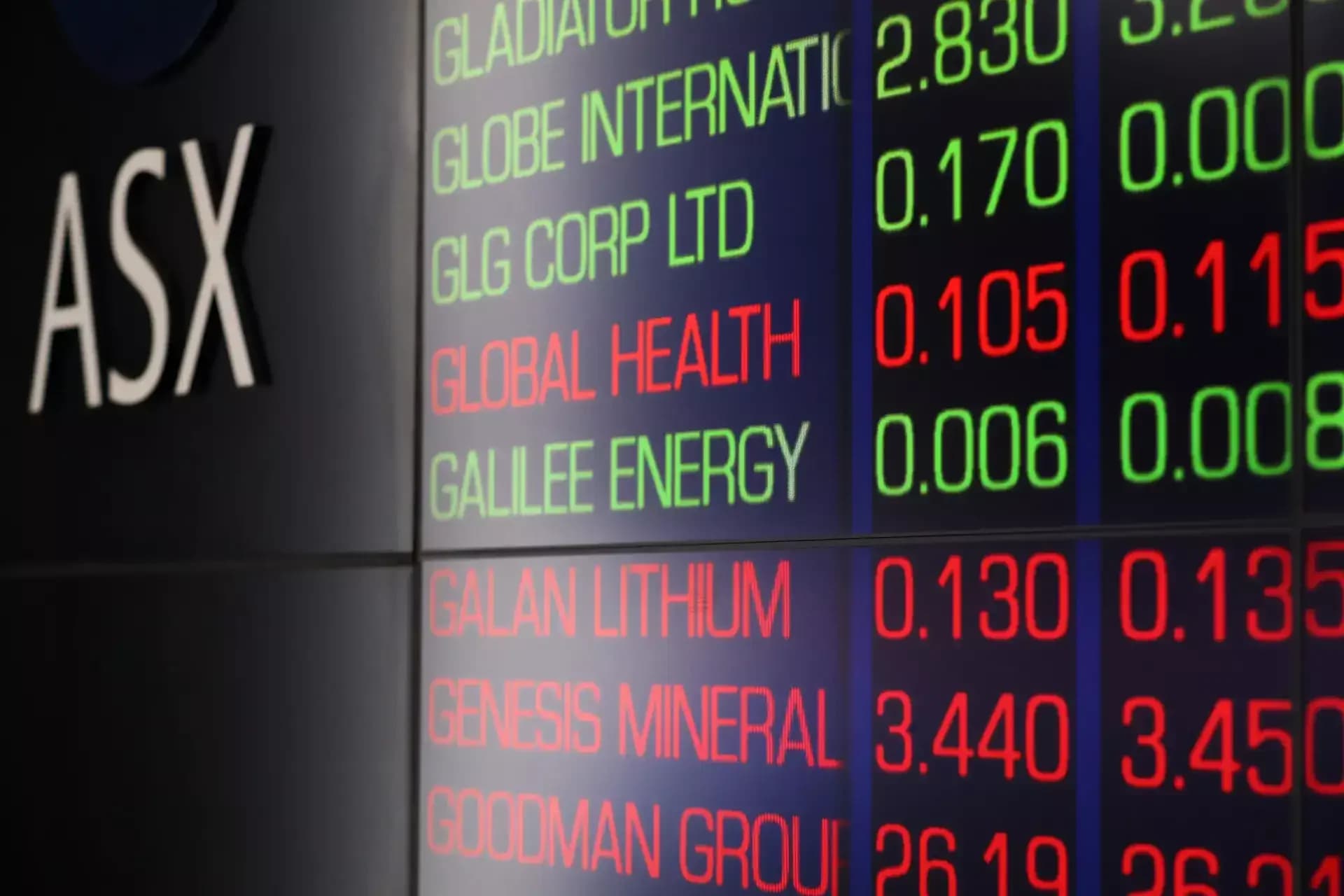
Australian shares reversed early losses on Wednesday, closing 0.7% higher at 8,718 points after softer-than-expected inflation figures sent market bets of a June rate rise to less than 10%. According to latest reports, the S&P/ASX 200 index had declined as much as 0.4% earlier in the session before recovering. The turnaround came after data showed that consumer prices in Australia rose by less than expected in April, with headline inflation falling to 4.2% from 4.6% in March, below both NAB and market expectations of 4.4%. The main surprise was softer food prices, with grocery inflation being a bit softer than expected, while fuel also helped pull the headline number lower, with automotive fuel prices falling 7% in the month. However, the inflation report wasn't entirely clear-cut, as core inflation – which strips out the most volatile items – edged up as earlier oil-price rises flowed through, keeping August tightening on the table.
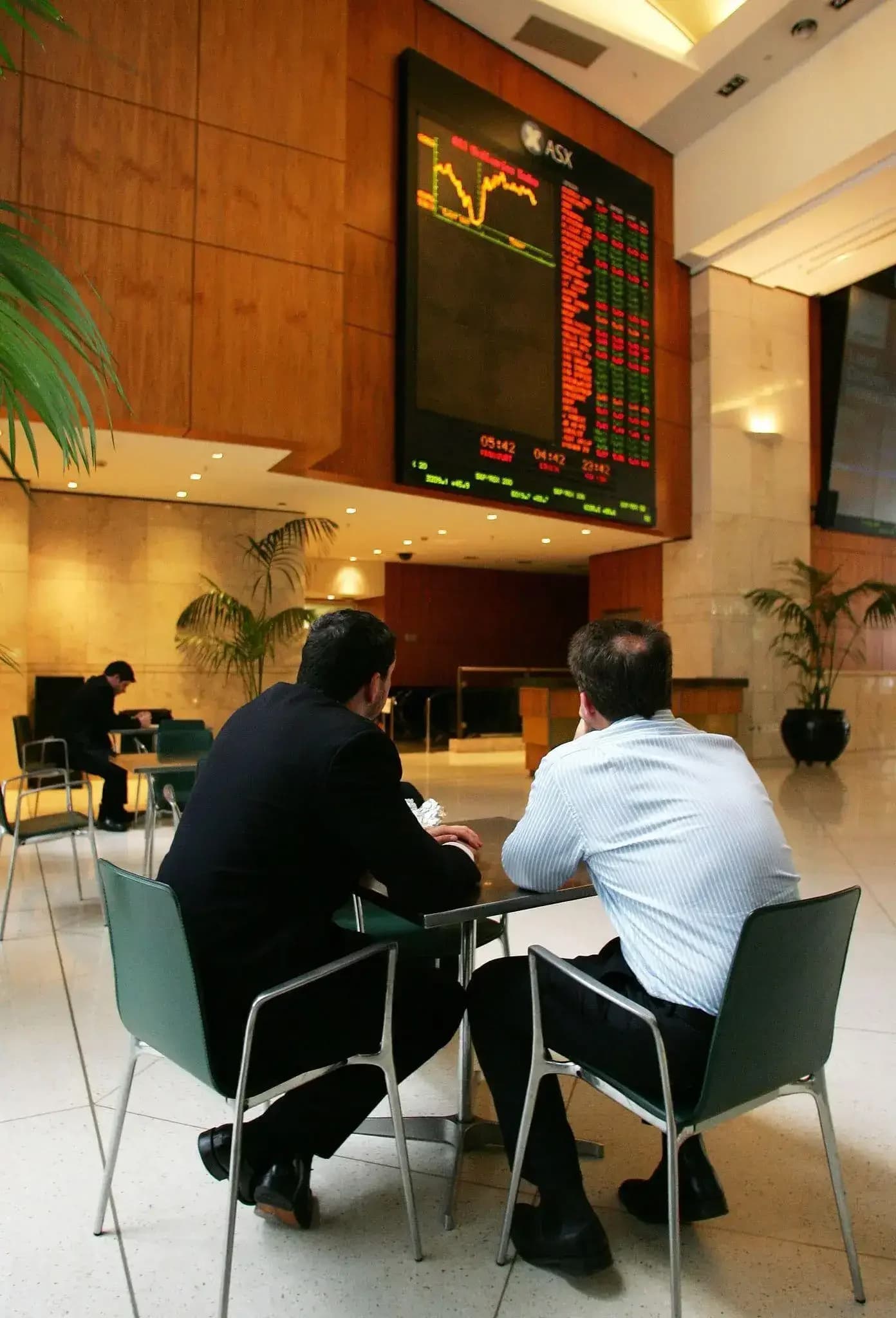
The latest inflation data has significantly altered market expectations for Reserve Bank of Australia policy. Financial market pricing now suggests just a 6% chance of a rate rise in June, while also betting on a greater than 40% chance the RBA is done with its latest rate-rise cycle altogether. As reported by The Economic Times, swaps previously implied a near possibility of the central bank holding on to its cash rate of 4.35% in June, with odds of a hike in August easing to 33.7% from 45% before the data. Cameron Curko, CIO at Pitcher Partners, noted that the data likely gives the Reserve Bank of Australia room to hold rates in June while reassessing in August, though the limited easing in core inflation means further hikes remain a possibility. The shift in rate expectations rippled across the market, with traders moving quickly to the view that the RBA can likely hold its cash rate at 4.35% in June and then reassess in August.
Rate-sensitive sectors led the recovery with real estate stocks up 1.6% and consumer discretionary stocks rising 1.8% as borrowing-cost fears faded. According to The Economic Times, financials ended up 0.1%, recovering from a 1.9% fall in early trade, with the 'big four' banks recouping most losses from early trade. When markets price fewer hikes, it can limit how much more banks earn on variable-rate loans – because loan rates stop stepping higher – but it can also reduce what banks pay to fund themselves, especially in wholesale markets where costs can fall faster than deposit rates adjust. This push-pull makes rate news a two-sided earnings input, explaining why the big four banks could recover early losses, with Commonwealth Bank of Australia finishing higher. Miners notched their highest close in nearly two weeks, with diversified miner South32 rising 3.5% to its highest close since early February as aluminium prices hovered near four-year peaks.
Despite the headline inflation relief, underlying price pressures remain concerning for policymakers. As reported by The Economic Times, the trimmed mean inflation rose 0.3% in the month and 3.4% over the year, up from 3.3% in March. NAB's analysis suggests some parts of the economy most exposed to higher costs are starting to see prices pick up again, especially goods and new home building. Westpac notes that this shows underlying inflation pressures have not gone away, with the lift in upstream costs flowing into selling prices evident in the NAB business survey. The Australian Council of Trade Unions (ACTU) has reacted to today's 4.2% annual increase by saying it strengthens the case for the 6% minimum and award wage increase it is seeking, while the Australian Industry Group argues for a 3.9% increase and the Australian Chamber of Commerce and Industry wants 3.5%. However, Westpac expects inflation pressures to build through Q2 and materialise in Q3, with headline and trimmed mean inflation peaking at 5.0%yr and 4.0%yr respectively.