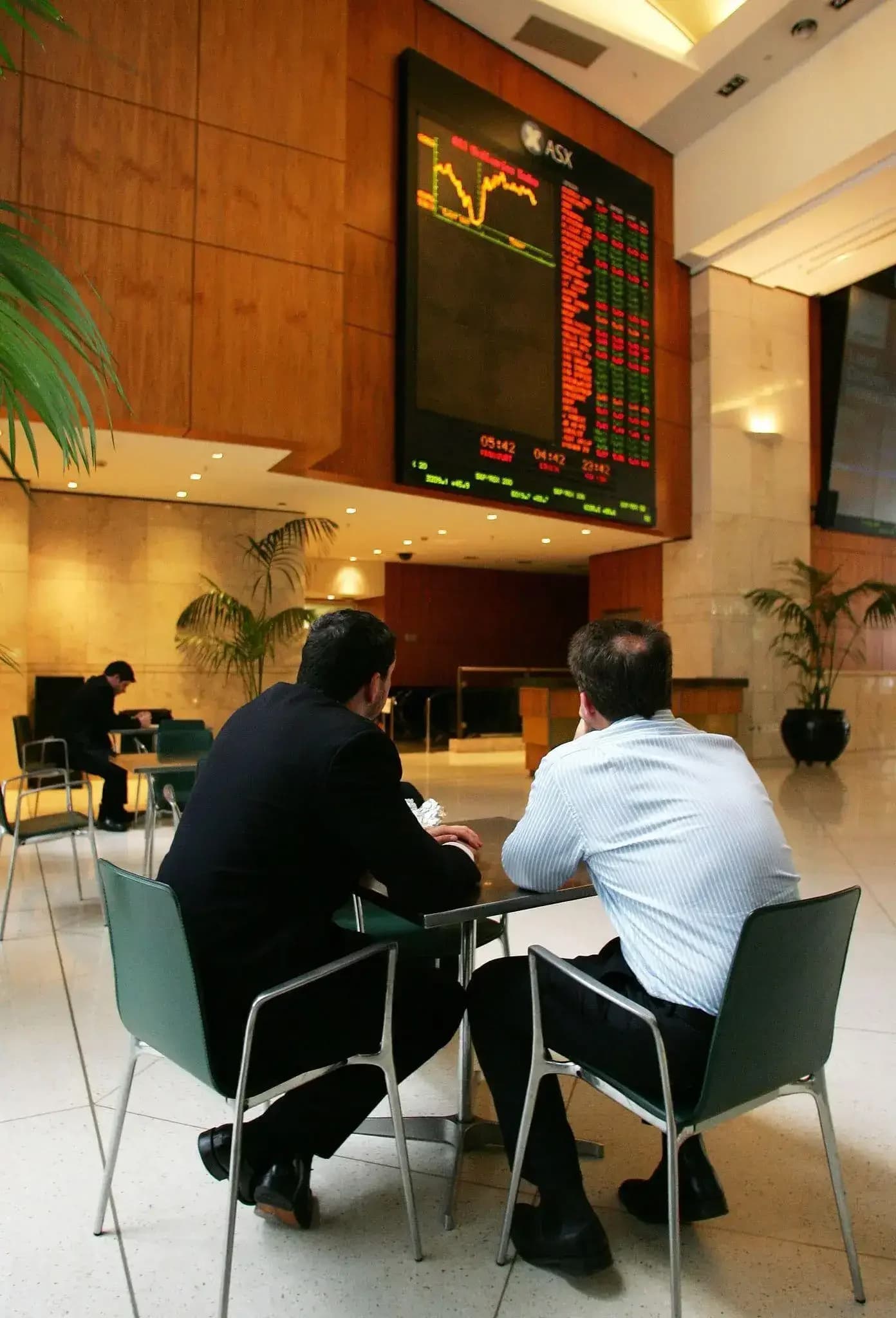
Australian shares are expected to open higher today, with ASX 200 futures up 35 points, or 0.4%, to 8,787, according to latest market reports. This represents a significant improvement from Tuesday's session when the benchmark fell 0.3%, or 29.1 points, to 8,787, led lower by technology stocks as investors reassessed valuations across the artificial intelligence trade. The cautious advance comes as investors process mixed inflation data that kept monetary policy expectations intact, with the index building on earlier gains of 0.2% before the data release. However, gains were pared as US equities extended losses late in the session, with the S&P 500 falling 1.4% and the Nasdaq Composite dropping 2.2%. Latest market data shows only 106 constituents (53%) trading higher, indicating relatively weak breadth despite the overall positive momentum.
The market's cautious stance was driven by core inflation increasing by 0.4% in May, above forecasts for 0.3%, as reported by The Economic Times. This pushed the annual pace up to 3.6%, well above the target band of 2% to 3%. However, headline inflation eased to 4% in May from 4.2%, below economist forecasts for 4.3%, providing some relief to market participants. The latest CPI numbers showed headline inflation easing, thanks in part to falls in fuel prices. However, the RBA's preferred trimmed mean inflation ticked higher from an annual pace of 3.4% to 3.6%, according to ABC News, keeping core pressures firmly in focus. As noted by Tim Waterer, chief market analyst at KCM Trade, the latest inflation data doesn't remove the risk of another rate hike, with core inflation still tracking higher. CBA economists expect annual headline inflation to ease slightly to 4.1% in May, while the monthly trimmed mean measure is forecast to edge higher to 3.5%. RBA rate expectations were mostly unchanged following the print, with ~8 bps of hikes priced for August and ~15 bps by year-end, with the central bank continuing to monitor inflation trends closely.
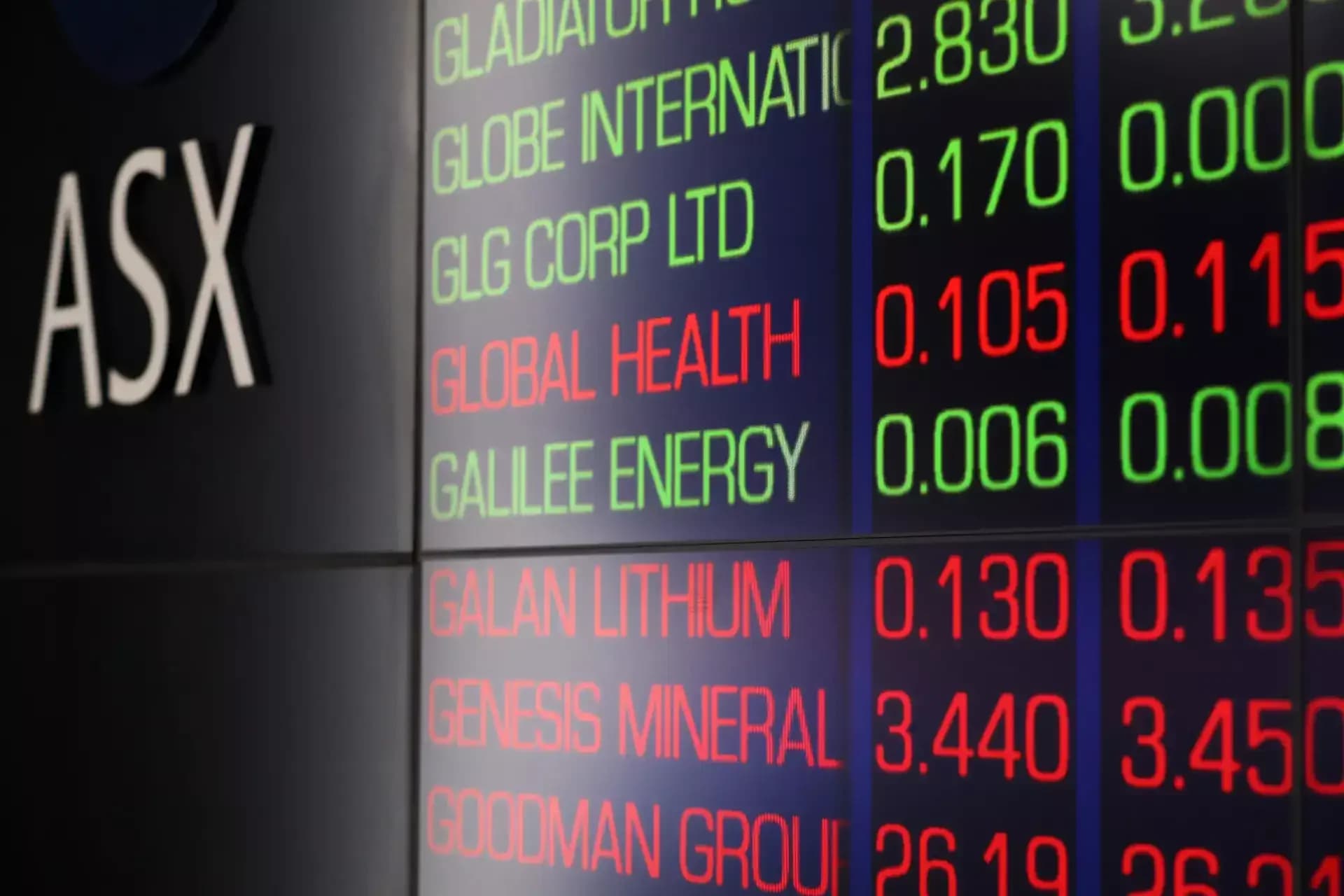
Technology stocks emerged as the standout performers, climbing 4% marking their strongest performance since the previous session, according to latest market data. However, the technology sector dropped 4% on Tuesday, with Xero down 5.3% to $65 and TechnologyOne sliding 7.1% to $27.73, as investors reassessed valuations across the artificial intelligence trade. WiseTech Global fell 4.4% to a 5-year low of $28.76, extending Monday's 18% slump, after the company told the market that executive chairman Richard White was not aware of any Australian Federal Police investigation into his conduct relating to a woman's immigration status. Global X ETFs senior investment strategist Marc Jocum noted that "Australian tech stocks are still around 40% below their October highs despite a partial recovery in US software names," suggesting local investors still need a stronger catalyst before re-rating the sector, particularly given valuations remain relatively demanding compared to the US. Latest trading data shows Wisetech Global surging 5.29% to $30.28, indicating strong recovery momentum in the sector.
The rate-sensitive financial sector provided strong support, rising 0.6% and extending gains after the inflation data, with all 'Big Four' banks trading in the green. ANZ rose 1.4% to $35.74, National Australia Bank gained 1.2% to $38.33, Westpac added 1% to $35.48 and Commonwealth Bank lifted 0.5% to $164.21. The defensive health sector added 2.3% with CSL, once Australia's priciest stock, rising over 3%. However, the broader mining sub-index fell 0.7% to their lowest level in more than a week, tracking Tuesday's fall in iron ore prices to multi-month lows on prospects of rising shipments from major suppliers. BHP fell 0.7% to $59.92 and Fortescue lost 1.7% to $19.27 as mining stocks were weaker as iron ore traded below US$98 a tonne, taking losses over the past 6 weeks to 12%. The local market will also be focused on today's monthly consumer price index release, which could influence expectations for the Reserve Bank of Australia's next interest rate move. ABS unemployment data and household spending data are scheduled for tomorrow, which will drive further rate volatility, with last month's unemployment rate unexpectedly jumping to 4.5% from 4.3%.
The weakness in Australian markets followed heavy selling in global technology stocks, with the S&P 500 falling 1.4%, the Nasdaq Composite dropping 2.2% and the Dow Jones Industrial Average easing 0.1%. The technology sector lost 3.7%, while a key semiconductor index shed 7.9%, with memory chipmakers Micron Technology and SanDisk plunging 13% and 14% respectively. Nvidia fell 4.2%, Intel, Marvell Technology and Advanced Micro Devices lost between 5.8% and 9.4%, while Tesla dropped 5.8%. The Australian dollar fell sharply as the US dollar strengthened on rising expectations of higher US interest rates, shedding 1.2% to US69.15 cents. European sharemarkets also finished weaker on Tuesday as expectations of a more hawkish Federal Reserve and concerns over increased corporate spending on artificial intelligence weighed on sentiment, with the continent-wide FTSEurofirst 300 Index ending 0.7% lower. Markets continue to walk a volatile path, where the prospect of higher rates is weighing on risk assets, while a rising US dollar compounds the hit to commodity markets.