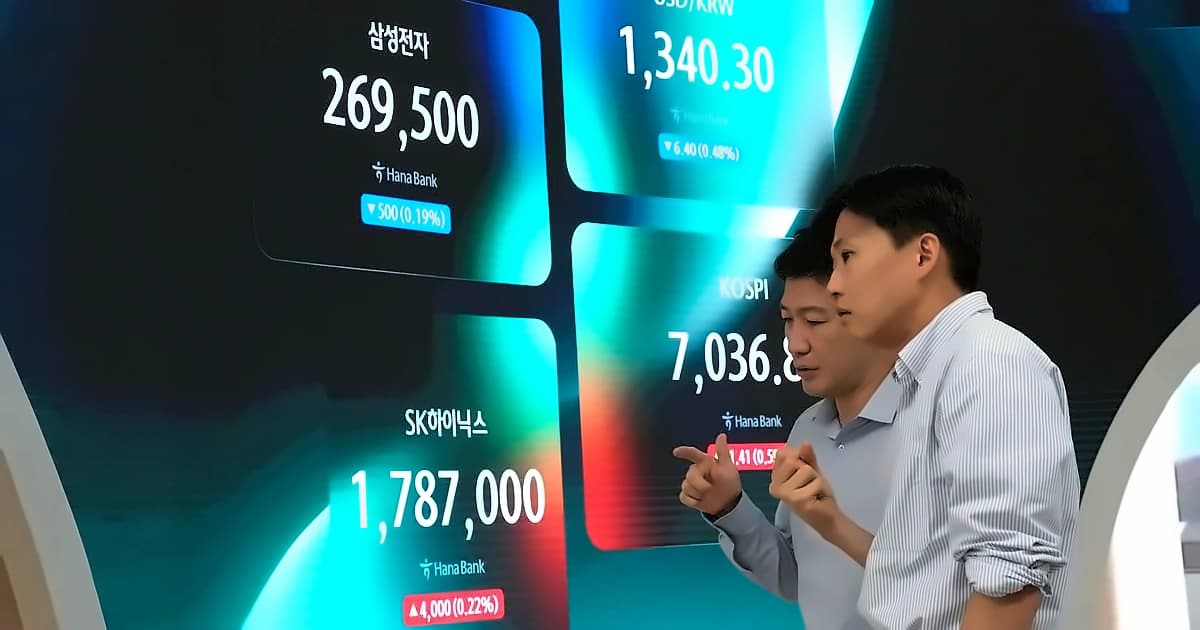
Japan's Nikkei 225 declined 1.71% to 61,832.66 in early trading on Friday, tracking a technology-led selloff on Wall Street overnight as investors dumped semiconductor and artificial intelligence-linked stocks amid concerns surrounding AI spending and valuations. According to The Economic Times, the broader Topix index dropped 1.26% to 3,947.11, with selling broad-based across the Nikkei with 120 stocks declining against 96 advancing. The decline reflected broader concerns about the sustainability of the technology rally, as investors reassessed AI-related investments and shifted towards less volatile parts of the market. US stocks tumbled on Thursday, with the Nasdaq Composite falling 2.6% and the S&P 500 losing 1.21%, as technology stocks led sectoral declines with investors shifting towards defensive sectors such as consumer staples and healthcare.
Among major US stocks, Nvidia fell about 4% amid the selloff in AI and semiconductor shares, while Meta Platforms dropped 7% following its earnings report as investors focused on its artificial intelligence spending. Tesla declined 3.1% after reporting earnings and cutting its capital spending plans for 2026. According to The Economic Times, the selloff in US tech stocks weighed heavily on Japanese equities, with semiconductor-related and materials stocks leading the losses in Tokyo trading.
Selling was broad-based on the Nikkei, with Sumco falling 8.95%, the index's biggest percentage loser, followed by Disco, which declined 7.59%, and Mitsui Kinzoku, which shed 6.65%. Tokyo Electron fell 4.1% and became one of the biggest drags on the Nikkei due to its heavy weighting in the index. Screen Holdings dropped 6%, while Lasertec declined 2.7% and data-centre cable maker Fujikura lost 3%. SoftBank Group, an investor in artificial intelligence-focused startups, slipped 3.1%, highlighting investor caution about AI sector prospects.

Despite the broader market decline, some stocks bucked the weakness with Aeon rising 3.98%, emerging as the Nikkei's biggest percentage gainer. Sapporo Holdings advanced 3.74%, while Kikkoman gained 3.69% and was on track for its highest closing level since July 2024, according to Reuters. The contrasting performance highlighted investors' increasingly selective approach to the AI trade, as markets assess whether strong earnings and continued infrastructure investment will be sufficient to sustain the sector's rally into next year.
Japan's export growth remained robust in September, rising 16.7% for the 13th consecutive month, though this fell short of economists' median forecast of 21.3%. According to the Finance Ministry, the value of exports increased significantly, driven primarily by strong demand for AI-related semiconductors and automotive shipments. The performance demonstrates Japan's continued strength in high-tech manufacturing sectors, with semiconductor and chip-making equipment exports surging 49.4% and 43.9% respectively. Car exports also contributed positively, gaining 15.1% during the month. The export data supported the market rally as it highlighted resilient global demand for semiconductors and AI-related products.