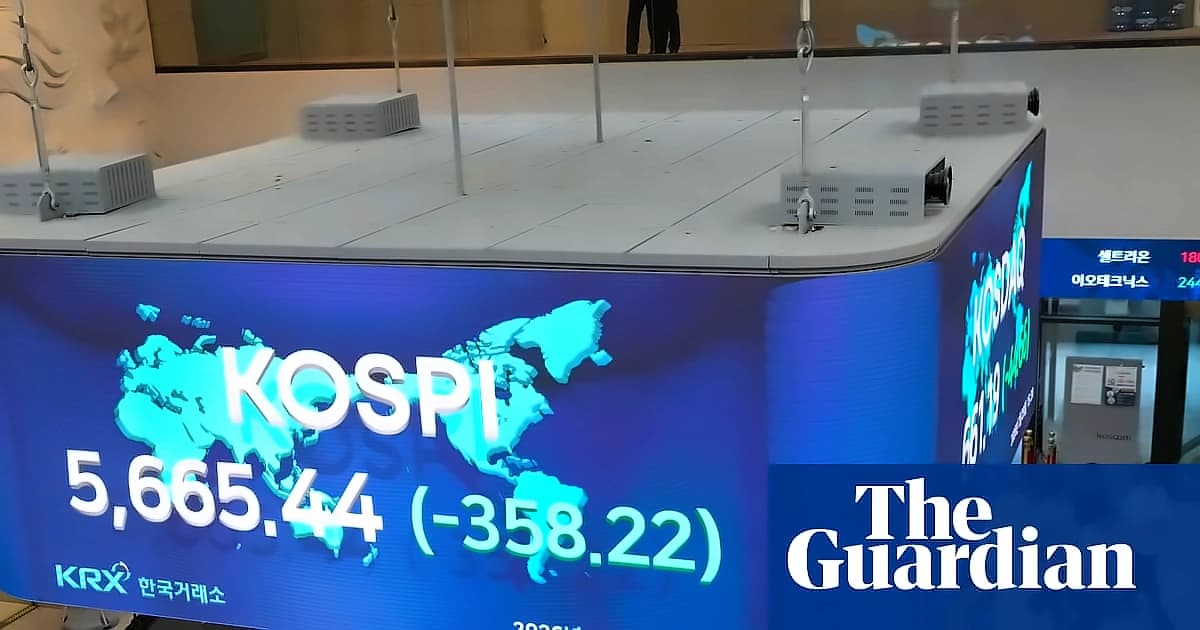
India's Nifty 50 outperformed across Asia, adding 0.73% to 24,181.80 on Thursday, while Asian chipmakers dragged the Nikkei 225 down 2.33% to 68,831 as investors unwound AI-hardware bets that had powered a stellar second quarter. The most striking reversal occurred in Korea, where South Korea's KOSPI tumbled as much as 8% as investors reacted to reports that Meta Platforms is building a cloud business to sell excess AI computing capacity to third parties. According to Investing.com, this development calls into question the relentless demand thesis for memory chips, with SK Hynix plunging 7.7% and Samsung falling 6.2% after the Reuters report. The sell-off was concentrated in tech-heavy markets, with China's Shanghai Composite falling 2.03% and MSCI's broadest index of Asia-Pacific shares outside Japan shedding 0.8%. The latest developments show circuit breakers were triggered on the KOSPI during the session, the sixth such instance this year, as volatility in semiconductor stocks remained high.
Indian IT stocks gained on Tuesday, with Infosys rising nearly 4%, TCS gaining 3%, Tech Mahindra up 3.4%, and Mphasis advancing 3%, even as Asian technology shares came under pressure after the sharp selloff in South Korea's chipmakers. As reported by The Economic Times, the move came at a time when investors are preparing for the June-quarter earnings season of Indian IT companies. The sector has been under heavy pressure for months due to weak discretionary technology spending, slower client decision-making, pressure from artificial intelligence-led productivity gains and valuation concerns. Wipro slipped 0.4%, staying weak even as the broader IT pack recovered, highlighting mixed sentiment within the sector. With the sector having lost over ₹17 lakh crore in market value, upcoming earnings and management commentary could determine whether the recovery has legs.
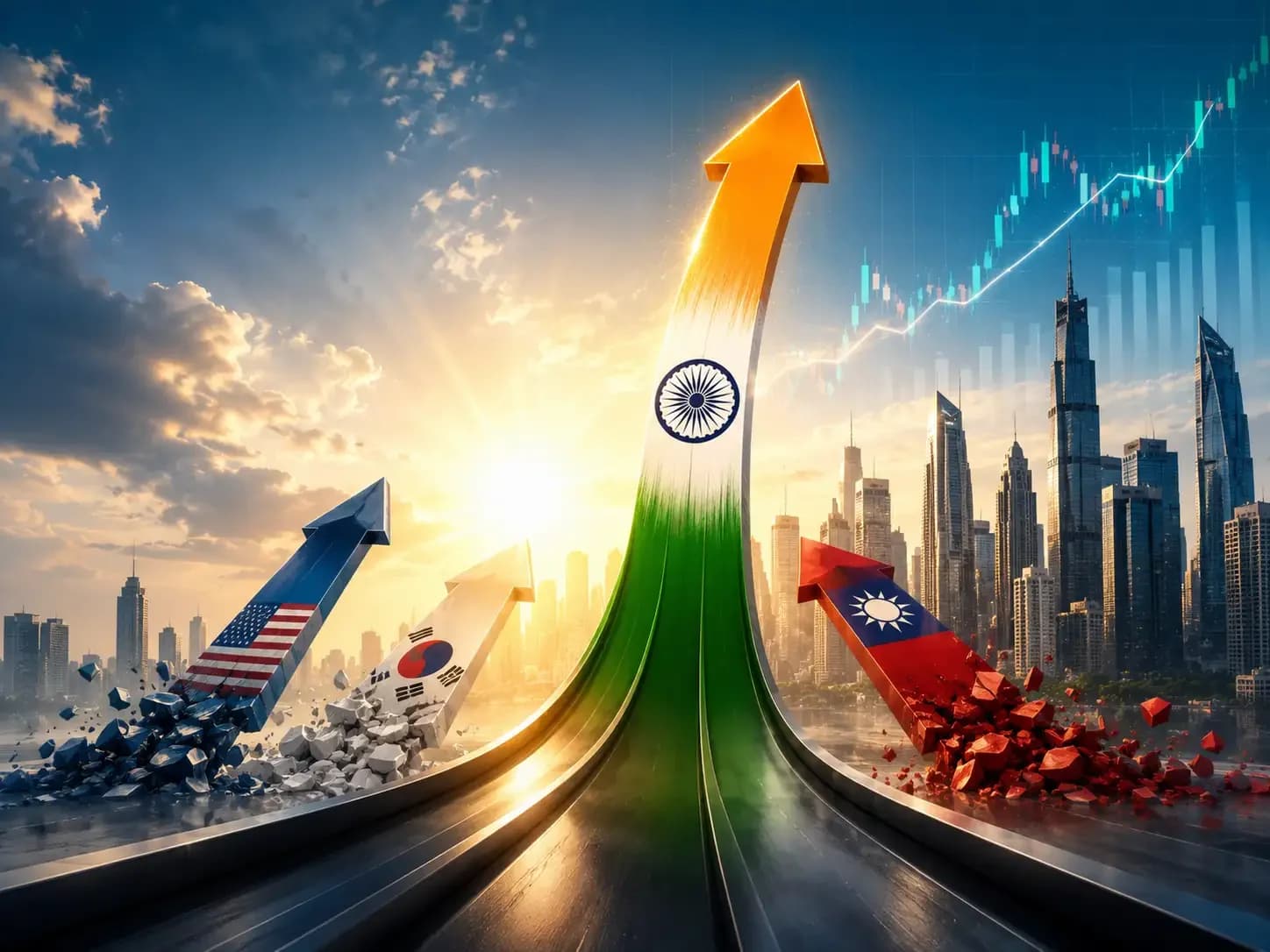
The market shift is reflected in foreign institutional investor behavior, with FIIs turning net buyers of Indian equities to the tune of ₹7,000 crore between June 15 and July 1. As reported by The Economic Times, this represents a significant change from their previous relentless selling of Indian stocks. Meanwhile, FIIs have been trimming exposure to Korea's AI-heavy semiconductor leaders, especially Samsung Electronics and SK Hynix, with foreign investors remaining net sellers in Korea so far in 2026 despite the market's previous strong performance.
US hedge funds sold tech hardware stocks for a fourth week in a row, according to a client note from Goldman Sachs on Friday, in line with the recent decline in global chip shares just before many of these companies report earnings. As reported by CNBC TV18, info tech stocks including semiconductor and hardware companies was the most net sold US stock sector for the fourth week in a row. The hedge funds had more sold stocks than bought for the third straight week, with last week seeing hedge funds mostly sell single US stocks while also selling other sectors including industrial and consumer discretionary shares. These investors bought index and ETF products, which often rise alongside the wider market.
Market analysts have flagged significant concentration risks building in Korean markets, with Samsung and Hynix driving the majority of the market's performance. According to The Economic Times, Vijayakumar noted that until a couple of years ago, foreign institutional investors barely touched the market and valuations were low, creating a situation where for 10 years there were no buyers. The current concentration risk is particularly concerning as retail investors, blinded by excessive profits, are taking loans to buy stocks, which analysts view as a classic sign that a bull market may be ending. The latest developments show how Meta's cloud business strategy could significantly impact Korean memory chip demand, highlighting the vulnerability of concentrated market leadership. Samsung Electronics and SK Hynix led the decline, ending down 6.9% and 6.1% respectively, after both fell more than 10% intraday.
Jefferies' Global Head of Equity Strategy Chris Wood warns that the AI trade will eventually be broken by concerns over malinvestment, specifically highlighting circular funding arrangements and aggressive capacity expansion built on optimistic monetisation assumptions. As reported by The Economic Times, Nuvama's Prateek Parekh described clear signs of excess in the AI trade, noting that while it is backed by strong cash flows unlike the dot-com era, it isn't shockproof. The correction highlights risks associated with increasingly concentrated market leadership, reinforcing the case for broader diversification across regions and sectors. U.S. equity futures reflect the global tech unease without wholesale panic, with Nasdaq 100 futures down 0.43% and the VIX ticking up to 16.78 but remaining well below levels that would signal broad market stress.