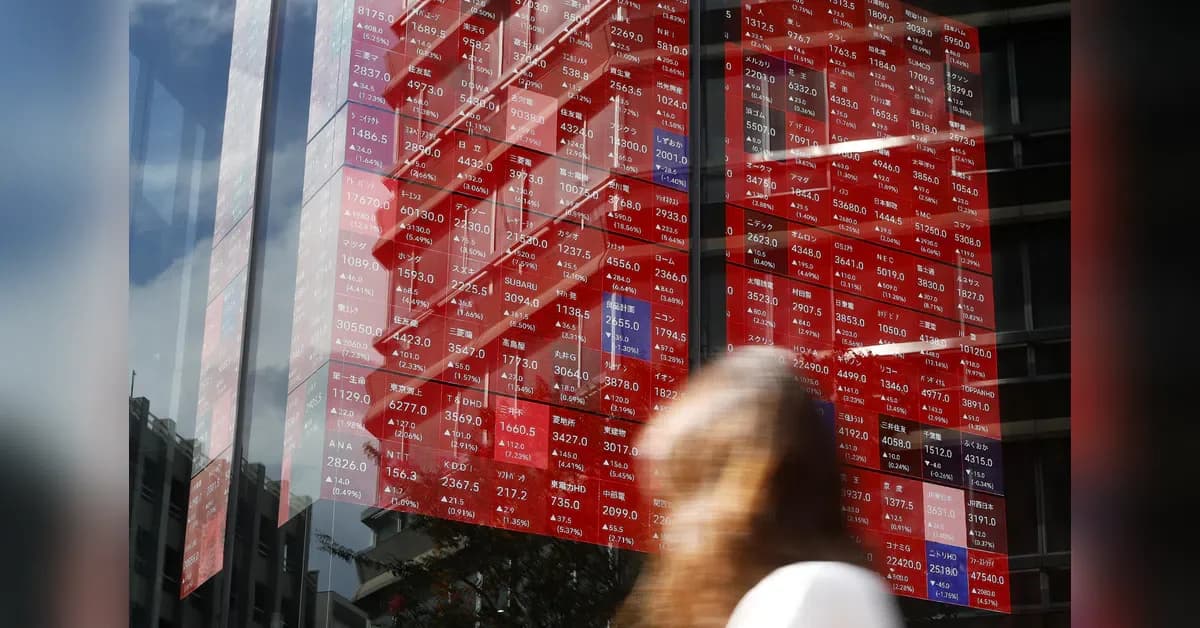
Asian markets extended gains for a second consecutive day as investor sentiment improved on hopes of progress in US-Iran peace talks, according to latest reports. MSCI's Asian equities gauge climbed 0.8%, with Japan's Nikkei 225 leading regional gains with a 2.7% rally, as reported by Bloomberg. SoftBank Group Corp surged 13% in Tokyo, following gains in US-listed shares of chipmaking unit Arm Holdings plc. Lenovo Group Ltd climbed to a 26-year high in Hong Kong after reporting strong growth in AI-related earnings. US equity-index futures also edged up, with contracts on the Nasdaq 100 Index rising 0.4%, indicating positive momentum in global markets. The sustained optimism reflects growing confidence in diplomatic efforts to resolve Middle East tensions, though caution crept back into markets as Brent crude rebounded after three days of declines to rise above $104 per barrel, as reported by Bloomberg.
Japan's core inflation eased to a four-year low in April, driven by government subsidies on fuel and education, according to Reuters. Japan's core consumer price index (CPI), which excludes volatile fresh food prices, rose 1.4% year-on-year in April compared with 1.8% in March, marking the slowest pace of increase since March 2022 and below market expectations of 1.7%. A sharp decline in education fees, down 10.6%, weighed on overall service-sector inflation and offset continued increases in food and other consumer goods prices. Another key inflation gauge closely monitored by the Bank of Japan, which excludes both fresh food and fuel, rose 1.9% in April compared with 2.4% in March, indicating some moderation in underlying price pressures. However, rising energy costs linked to the Iran conflict are expected to push inflation higher again in the coming months, with the closure of the Strait of Hormuz disrupting major global energy supply routes and pushing up oil prices.
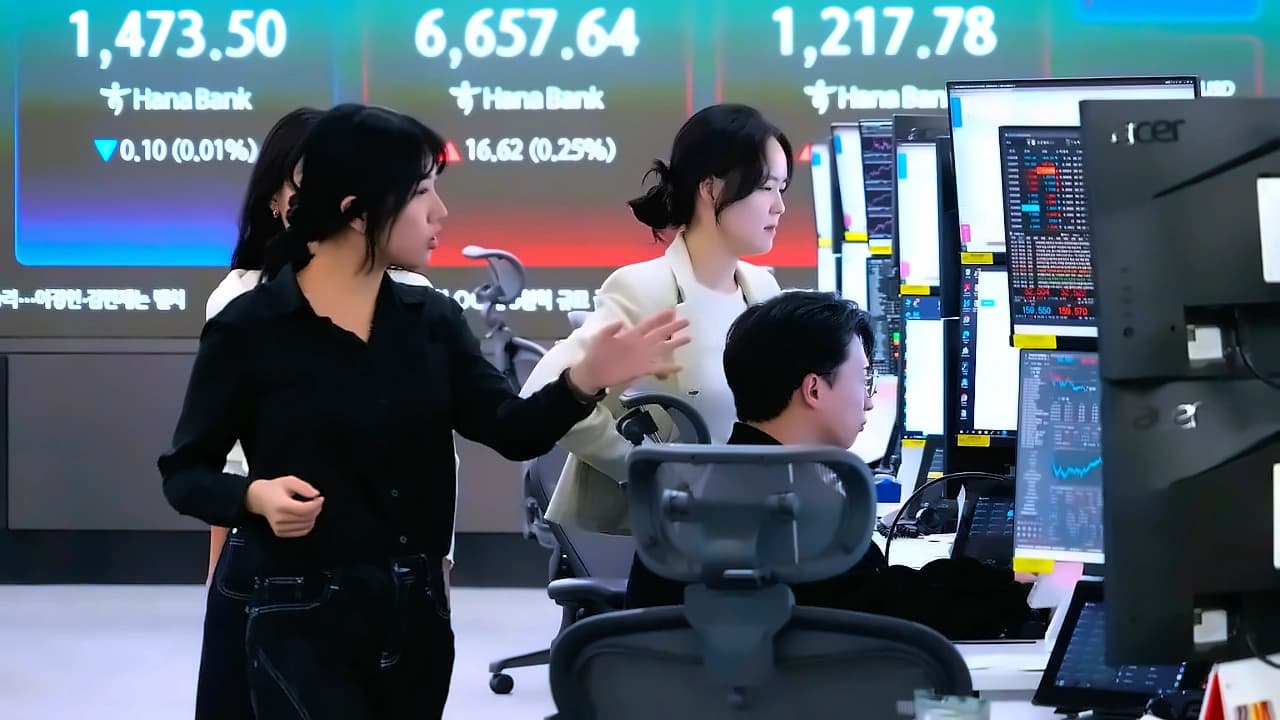
Investor confidence was supported by signs of progress in diplomatic efforts aimed at ending the conflict in the Middle East, as reported by The Financial Times. US Secretary of State Marco Rubio said there had been 'some good signs' in negotiations, though differences remained over Iran's uranium stockpile and control of the Strait of Hormuz. Rubio indicated that 'I believe the Pakistanis will be travelling to Tehran today' to advance the talks further. However, Iranian President Masoud Pezeshkian said 'we will never back down' in talks, while Iran is discussing with Oman how to set up a permanent toll system that will formalize its control of maritime traffic through Hormuz. President Donald Trump has described the latest discussions as being on the 'borderline' between a deal and renewed strikes, clouding the outlook for a breakthrough. Iran said the latest proposal from the US partly bridged the gap between the warring sides, but comments from the Islamic Republic's supreme leader about keeping Tehran's uranium stockpile and a dispute over tolls in the Strait of Hormuz clouded the outlook for a breakthrough, as reported by Bloomberg.
Technology shares have surged this year as investors poured into companies viewed as critical suppliers to the global AI expansion, with the momentum helping markets look past the conflict in the Middle East and lifting equities to record highs. Stock traders are now also chasing a wider array of beneficiaries as mainstream usage of AI creates demand for hardware beyond the most-advanced chips that companies such as Taiwan Semiconductor Manufacturing Co (TSMC) make for Nvidia Corp. Themes emerging from an intensifying memory crunch and advances in robotics are also luring bids. Jonathan Curtis, an equity portfolio manager at Franklin Templeton, said on Bloomberg TV: "It is a very very exciting time. We are bullish very broadly on the category and we do not think markets are pricing in what happens downstream." He added that when companies start applying the AI technology into their business, it will allow them to develop better outcomes. Chris Weston, the head of research at Pepperstone Group, wrote that "it increasingly feels as though the news flow is gradually trending towards something tangible that markets can ultimately price with greater conviction."
Oil prices continued their volatile trajectory, with Brent crude rebounding after three days of declines to rise above $104 per barrel, as reported by Bloomberg. This represents a recovery from Thursday's session when oil fell on expectations that US-Iran talks could eventually lead to a deal and restore energy flows through the Strait of Hormuz. West Texas Intermediate crude rose 1.2% to $97.50 a barrel. Rising wholesale prices for oil and chemical products have already accelerated producer inflation in April, strengthening expectations that the Bank of Japan could continue tightening monetary policy. Markets widely expect the central bank to raise its short-term policy rate to 1% from 0.75% at its June policy meeting. BOJ policymakers have recently shifted focus toward balancing inflation risks against the impact of higher borrowing costs on economic growth, with Board member Junko Koeda indicating that the central bank is carefully monitoring how rising wholesale costs pass through to consumer prices. Investors are now closely watching BOJ Governor Kazuo Ueda, who is scheduled to speak on June 3, for signals on the likelihood and pace of future interest-rate increases.
Despite the softer inflation data, analysts expect the trend to reverse as higher crude oil prices triggered by the Middle East conflict begin feeding into Japan's economy, according to Reuters. Positive impacts include export-oriented companies such as automakers and technology firms benefiting if the yen remains weak against the dollar, Japanese banks gaining from expectations of higher interest rates improving lending margins, and energy producers seeing earnings support from elevated oil prices. However, negative impacts include airlines, transport companies and fuel-intensive industries facing margin pressure due to higher crude prices, consumer-focused companies seeing weaker spending if inflation accelerates again, and rate-sensitive sectors such as real estate and utilities coming under pressure if borrowing costs continue rising. The mixed implications reflect the complex interplay between deflationary pressures from government subsidies and inflationary pressures from energy costs in Japan's economy.
On Wall Street, sentiment remained cautiously positive overnight, with the Dow Jones closing 0.6% higher, according to The Times of India. However, Nvidia shares slipped 1.8% despite strong earnings, while Walmart dropped sharply after issuing a cautious consumer outlook. The mixed performance reflects ongoing market uncertainty despite positive developments in US-Iran relations and regional market gains. Market analysts note that geopolitics is likely to remain the dominant market driver, as traders have largely brushed aside risks since the war began in late February, propelling stocks to record highs on renewed enthusiasm for the artificial intelligence trade. As Michael Ball, Macro Strategist noted, 'Sentiment remains resilient — almost defiant — as markets want to lean into a US-Iran de-escalation and chase a broader risk rally, but they need oil and rate volatility to break lower to have conviction. That's unlikely to happen anytime soon.'