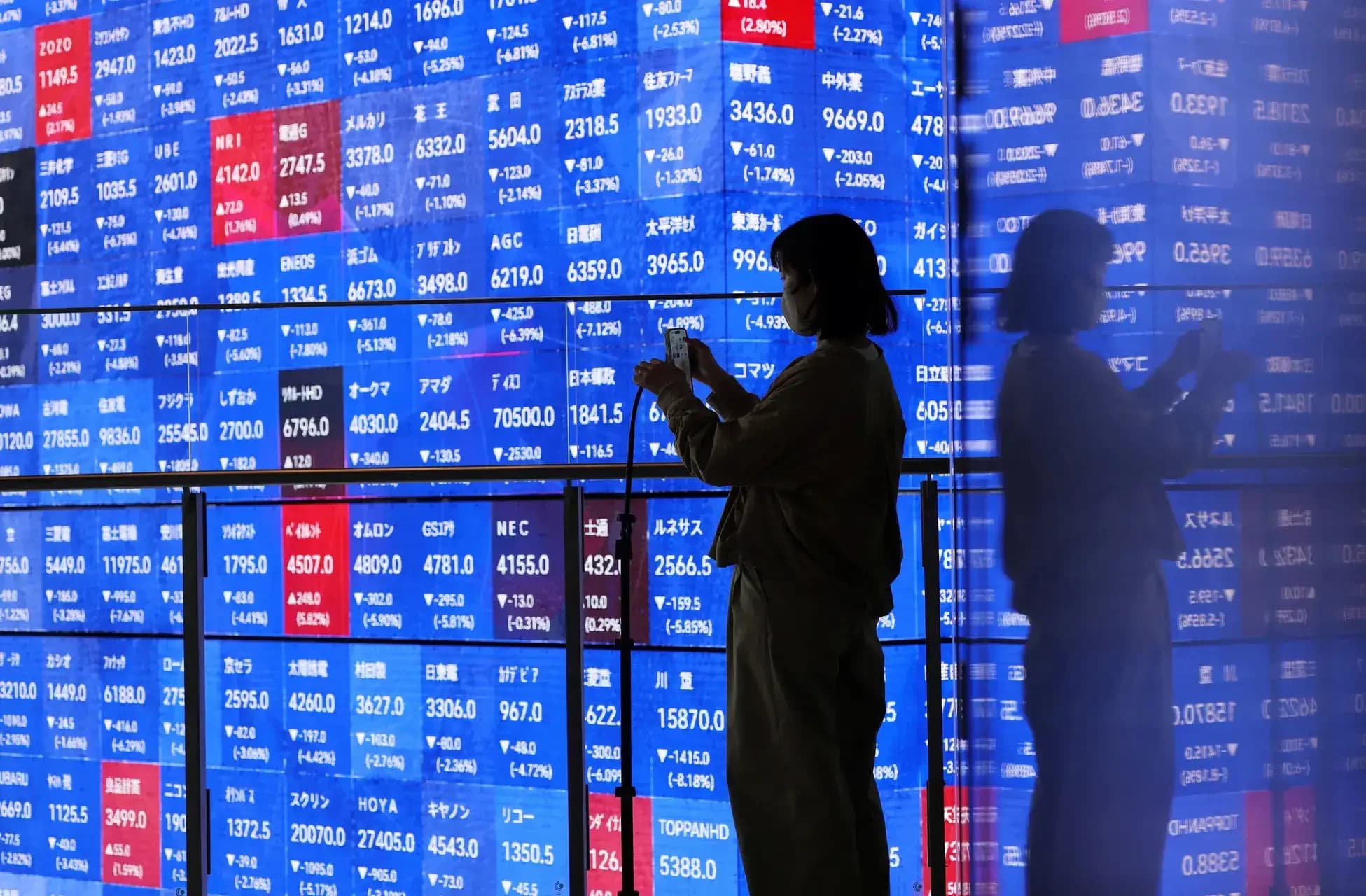
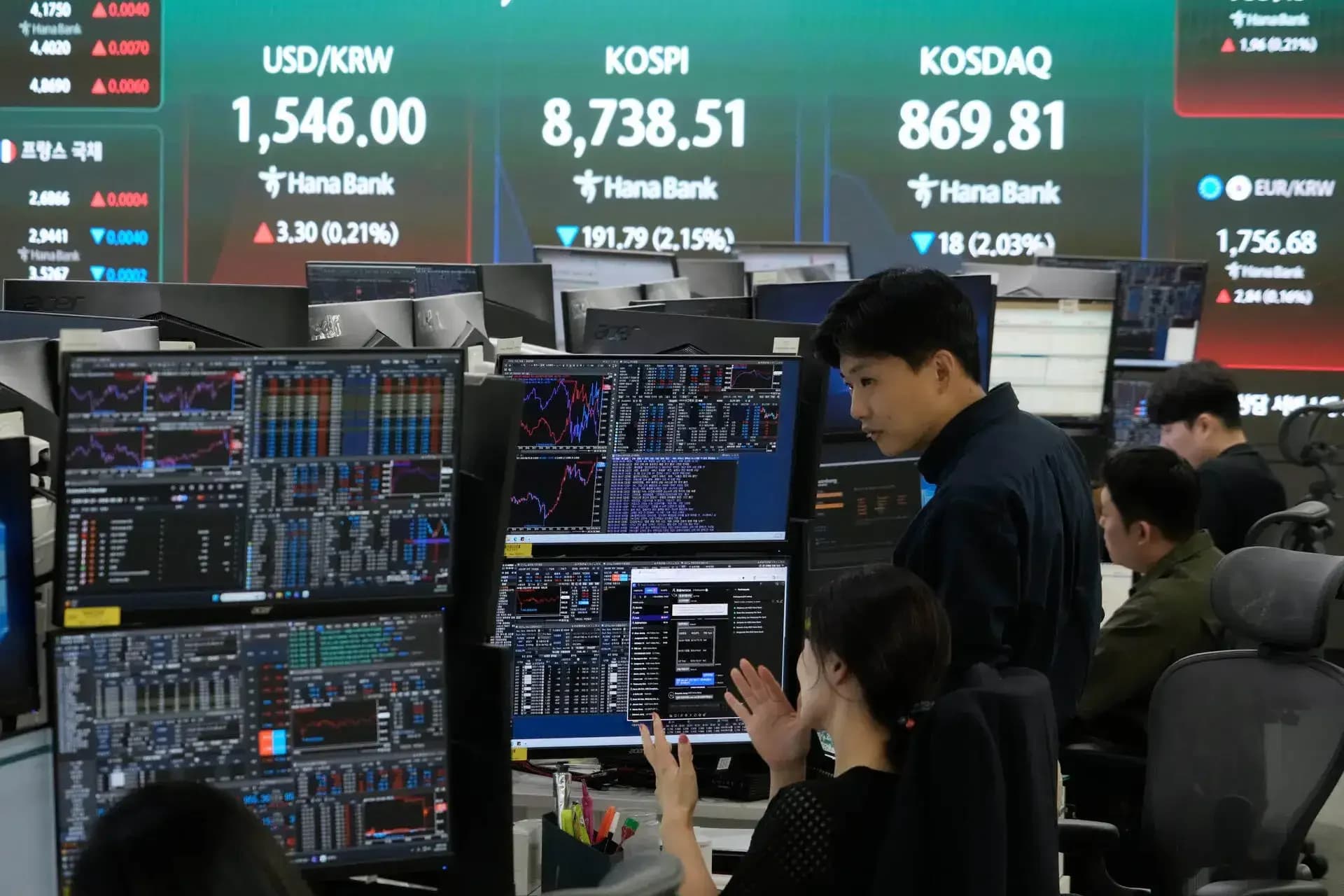
Japanese stocks are positioned for a strong rebound when trading resumes Thursday, with Nikkei 225 futures trading 2.5% higher in Osaka, reflecting optimism for equities following the Bank of Japan's policy decision. According to Bloomberg, the Nikkei 225 climbed 1.6% in the five days through September 18, capping its best weekly gain in about a month. The rally is being driven by renewed enthusiasm for AI-related investments and a weaker yen that has kept currency intervention risk in focus. The yen is on course for a fourth straight day of losses, with the currency trading around 157.88 per dollar at 6:15 pm in Tokyo on Wednesday, marking its longest losing streak since late August.
The Bank of Japan raised rates to 1.25% as inflation and wage growth remain elevated, with the decision coming after two board members dissented, suggesting the board was not united behind a faster tightening path. As reported by Bloomberg, Governor Kazuo Ueda was more hawkish than expected, stressing that underlying inflation is approaching the 2% target and declaring that the 'stage' for monetary policy has changed. The yen slid as much as 1.3% to 158.05 per dollar before paring losses after the Nikkei reported that the BOJ had checked exchange-rate levels with market participants, a step often viewed as a precursor to intervention. Options sentiment toward the yen is turning more bullish as the currency weakens, reflecting increased hedging demand against the risk of Japanese intervention. The two-year JGB yield fell to around 1.82%, showing investors were reducing expectations for rapid near-term tightening.

The global AI trade has gathered significant momentum this week, with early signs of success for Meta Platforms Inc.'s new AI agent and Alibaba Group Holding Ltd.'s unveiling of what it calls China's most powerful AI chip helping revive enthusiasm after recent calls by top AI firms in the US to slow development pace. According to Bloomberg, chip-equipment makers like Tokyo Electron Ltd. and Advantest Corp. are likely to be among the biggest winners when Japanese markets reopen Thursday. Chip package substrate maker Ibiden Co. and memory maker Kioxia Holdings Corp. are also expected to gain, with a semiconductor- and AI-led rally potentially providing broad-based lift across the Japanese equity market. A rally in chipmakers drove the Nasdaq 100 Index to its first record since June on Tuesday, demonstrating the global scope of the AI investment momentum.
The picture remains mixed for bond traders as uncertainty over the Bank of Japan's monetary policy outlook offsets potential support from falling oil prices. As reported by Bloomberg, Brent crude has fallen below $100 per barrel and Treasury yields have dropped this week, which could offer support for Japanese government bonds. However, short-term bonds are coming under pressure as the BOJ hike establishes a higher floor for short-term interest rates, fundamentally negative for JGB prices at the front end. Treasuries fell across the curve, with the 10-year yield up five basis points to 4.98% as investors reassessed the Federal Reserve's inflation-fighting credibility. The dollar climbed 0.2% while gold rose toward $4,400 an ounce, with the precious metal benefiting from safe-haven demand amid global market uncertainty.