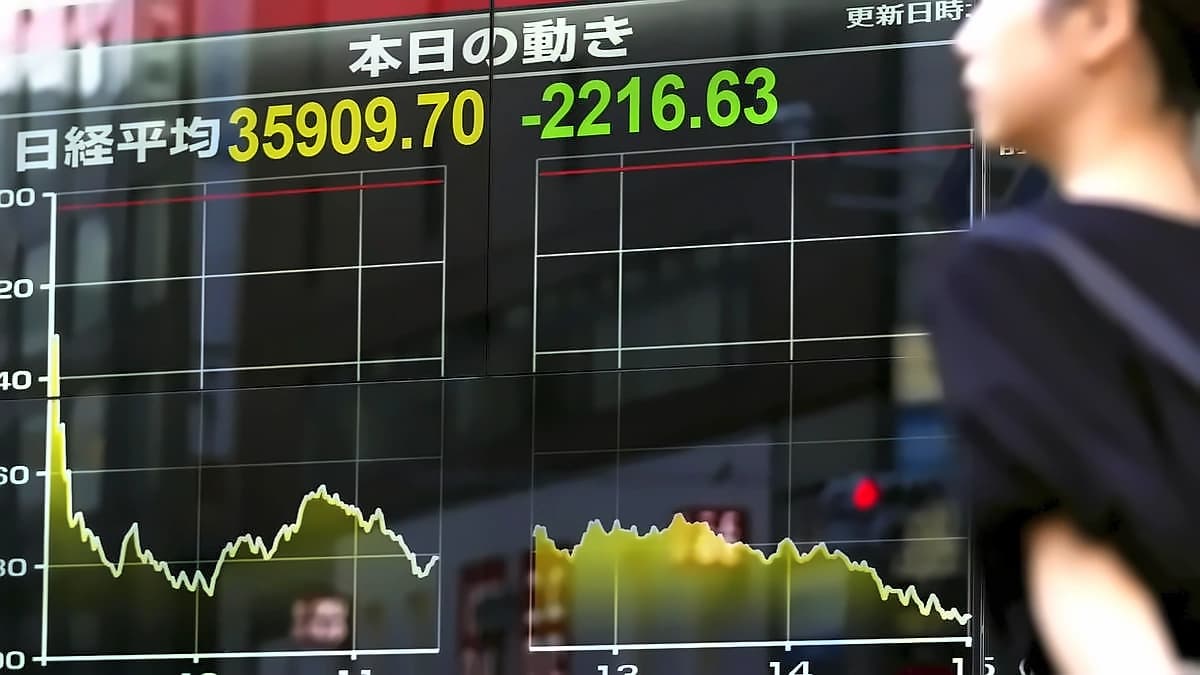
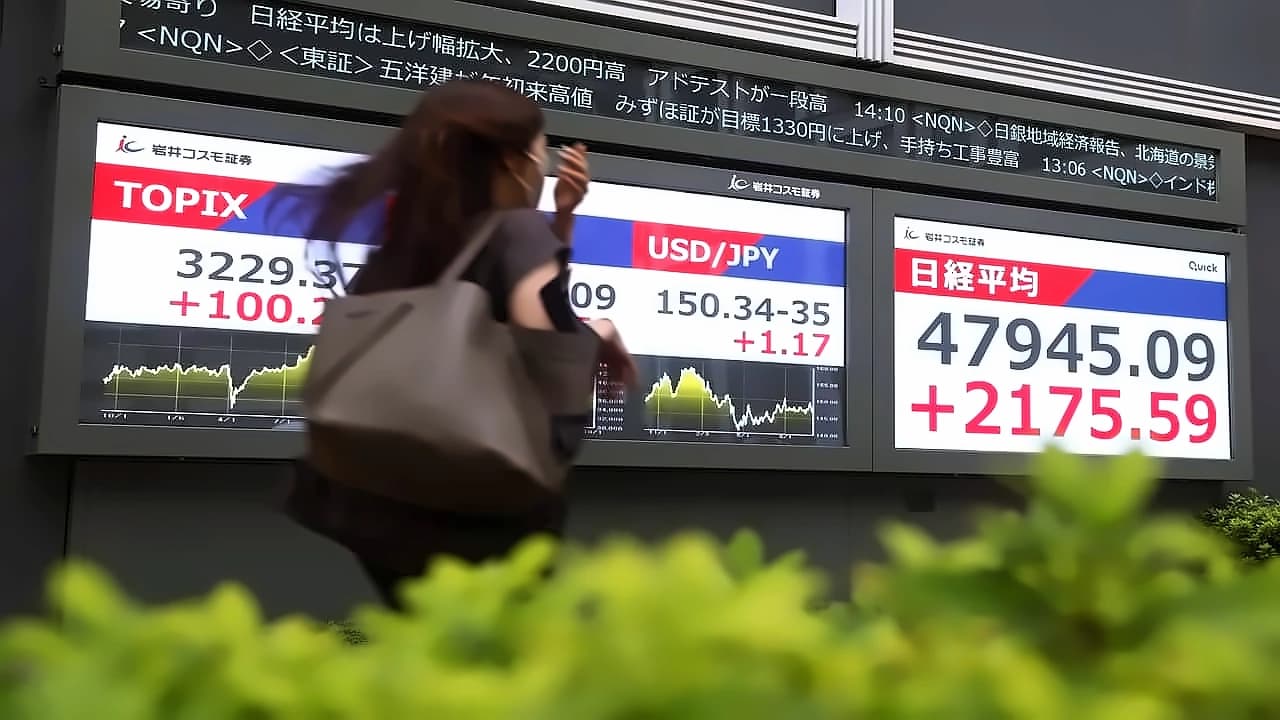
Japan's Nikkei 225 rebounded 1.75% to 65,550.68 on Friday, breaking a six-session losing streak that had seen the index plunge nearly 5% in the previous session. According to Reuters, the recovery was largely driven by bargain hunting following the previous session's sharp selloff, with investors reluctant to make aggressive bets ahead of key corporate earnings and political developments in the United States. The broader Topix gained 1.83% to 4,072.71, though it remained on track for a weekly decline of 0.8%. Market breadth remained positive on the Tokyo Stock Exchange's Prime Market, with 83% of more than 1,500 stocks traded advancing, 13% declining, and 2% unchanged. Banking stocks supported the broader market, with Mitsubishi UFJ Financial Group climbing 1.64% and Mizuho Financial Group advancing 1.71%. Among individual stocks, chipmaking equipment manufacturer Tokyo Electron rose 2.12% while memory chipmaker Kioxia advanced 3.34%, with consulting firm BayCurrent surging 17.25% after announcing plans to deploy excess cash towards investments and share buybacks.
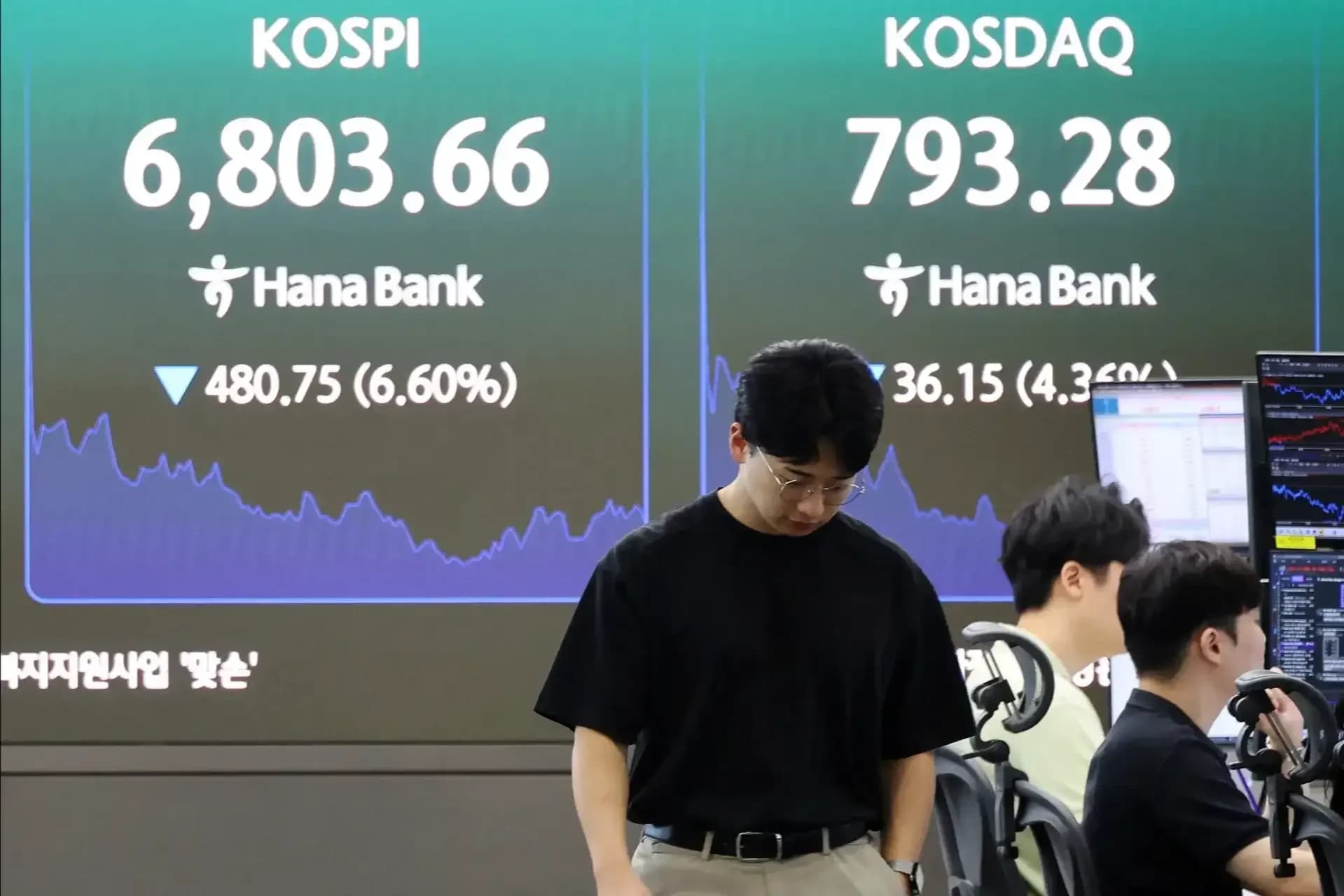
Asian equities rose on Friday, with the MSCI Asia Pacific Index gaining 0.6%, led by strong performances in South Korea and Japan. According to CNBC TV18, South Korea's Kospi jumped 1.80% while Japan's Nikkei 225 added 1.38% and Topix climbed 1.75%, following positive momentum from US markets. Wall Street set the tone as the S&P 500 erased earlier losses to close 0.3% higher on Thursday, with an equal-weighted version of the index jumping 1.4%, led by healthcare and consumer-staples stocks. The Dow Jones Industrial Average led the advance, rising more than 500 points, or about 1.1%, while the Nasdaq Composite edged up 0.1%. The benchmark US 10-year yield fell 13 basis points to 5.06% in the New York session, with US Treasury futures edging higher on Friday. Federal Reserve Chairman Kevin Warsh is due to speak in a fireside chat with IMF Managing Director Kristalina Georgieva in Bangkok, with traders looking for clues on whether Fed officials are leaning toward another rate increase. Futures now price roughly a 25% chance of a hike in October, down from previous estimates. As per Moneycontrol, a tone of caution prevailed as contracts for US benchmarks edged lower in early Asian trading, with futures for the Nasdaq 100 Index falling 0.5%.
Indonesia remained in focus after MSCI said the country no longer merits emerging-market status, with the index provider consulting on reclassifying it as a standalone market. According to CNBC TV18, MSCI stated that a move to frontier status would not reflect the severity of its problems, citing "significant concerns around market dysfunction, including continued suspected coordinated trading behavior and lack of evidence of meaningful enforcement." The index provider expects to proceed unless it finds clear evidence of material improvement in governance. Indonesia's Jakarta Composite had closed 1.33% lower in Thursday's session, reflecting investor concerns about market integrity. Traders will also monitor Chinese markets with the European Union preparing to create new trade powers that could completely shut off access to its single market as part of a dramatic new push to cut the trade deficit with China.
The shift in sentiment for stocks came after Nvidia Corp. Chief Executive Officer Jensen Huang defended the financial health of AI computing supplier CoreWeave Inc., with the company's shares rising 4% after a 12% tumble in the previous session. According to The Economic Times, "CoreWeave's strength is improving every day," Huang told Bloomberg at an event Thursday in Stockholm. "I'm optimistic. Their cost of capital is actually decreasing." The Philadelphia Semiconductor Index pared its losses to less than 1%, having earlier fallen as much as 4.4%. An equal-weighted version of the S&P 500 Index climbed 1.4%, with healthcare and consumer-staples shares leading gains, showing signs of broader market rotation away from AI-linked stocks. Microsoft closed at a record high following Williams' remarks, which eased pressure on technology shares across the region. Among firms in the AI supply chain, chipmakers Samsung Electronics and SK Hynix rose more than 2% in South Korea while Kioxia was steady in Japan, recovering some of the previous session's loss. The gains followed a sell-off in technology stocks earlier in the week, driven by concerns over higher US interest rates and the cost of financing artificial intelligence investments.
Oil prices showed mixed signals with Brent crude trading near $106 a barrel in early Asian trade at $105.7, up almost 1% on the week, while West Texas Intermediate hovered around $97, with the November contract down 0.6% at $97.43. According to CNBC TV18, oil headed for a second straight weekly gain on Friday as fresh supply threats in West Asia outweighed the prospect of another release of emergency stockpiles. Uncertainty over the restoration of oil shipments through the Persian Gulf has increased after US Central Command confirmed on Thursday that an Iranian projectile struck a container ship that sank in the Strait of Hormuz earlier this week. The incident has added to concerns about the security of a key route for global energy supplies. WTI has gained more than Brent this week, narrowing the price difference between the two benchmarks as the cost of transporting a typical shipment of US crude from the Gulf Coast to Rotterdam has fallen about 12% over the past week, according to data from the Baltic Exchange in London. In currencies, the Japanese yen weakened 0.1% to 158.17 per dollar, while the offshore yuan hardly moved at 6.6902. Questions over the durability of the AI investment boom are spilling into credit markets as investors scrutinize the debt financing the infrastructure buildout, with a measure of CoreWeave's credit risk climbing to an all-time high Thursday as some of its high-yield bonds extended declines.