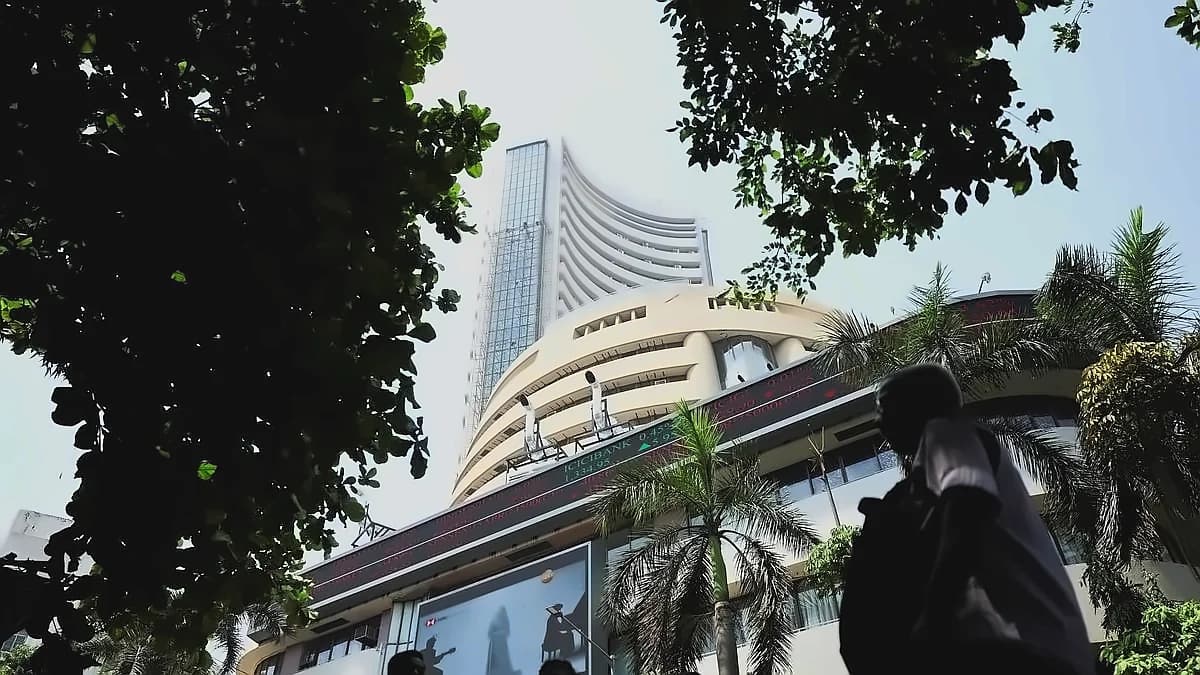
Indian markets experienced severe selling pressure on Tuesday, with Sensex crashing 1,456 points to close at 74,559.24 and Nifty 50 falling 436.30 points to end at 23,379.55, representing declines of 1.92% and 1.83% respectively. According to Open Magazine, the turmoil was triggered by escalating tensions in West Asia, elevated crude oil prices, and weakness in the Indian rupee against the US dollar. Vinod Nair, Head of Research at Geojit Investments, explained that domestic equities remained under pressure due to the rupee weakening to record lows amid rising crude oil prices linked to escalating tensions in West Asia, along with FII outflows. The decline was broad-based with IT stocks underperforming due to growing concerns around AI-driven pricing pressure and possible disruption following recent enterprise adoption initiatives by OpenAI.
Sector-wise performance showed widespread selling pressure across major indices on the NSE. Nifty Realty declined by more than 4%, while Nifty IT fell by over 3% and Nifty Consumer Durables dropped 3.59%. Nifty Auto declined 2.28% and Nifty Media slipped 2.77%, as reported by Open Magazine. In the commodities market, Brent crude oil prices remained elevated and were trading at $107 per barrel at the time of filing, raising concerns for import-dependent economies like India. Gold prices for 24 karat stood at ₹1,53,596 per 10 grams, while silver prices were at ₹2,76,303 per kilogram. The inflation data has further reduced expectations that the Federal Reserve could begin cutting interest rates this year, with the US 30-year yield reaching 5.02%, within two basis points of this year's high.
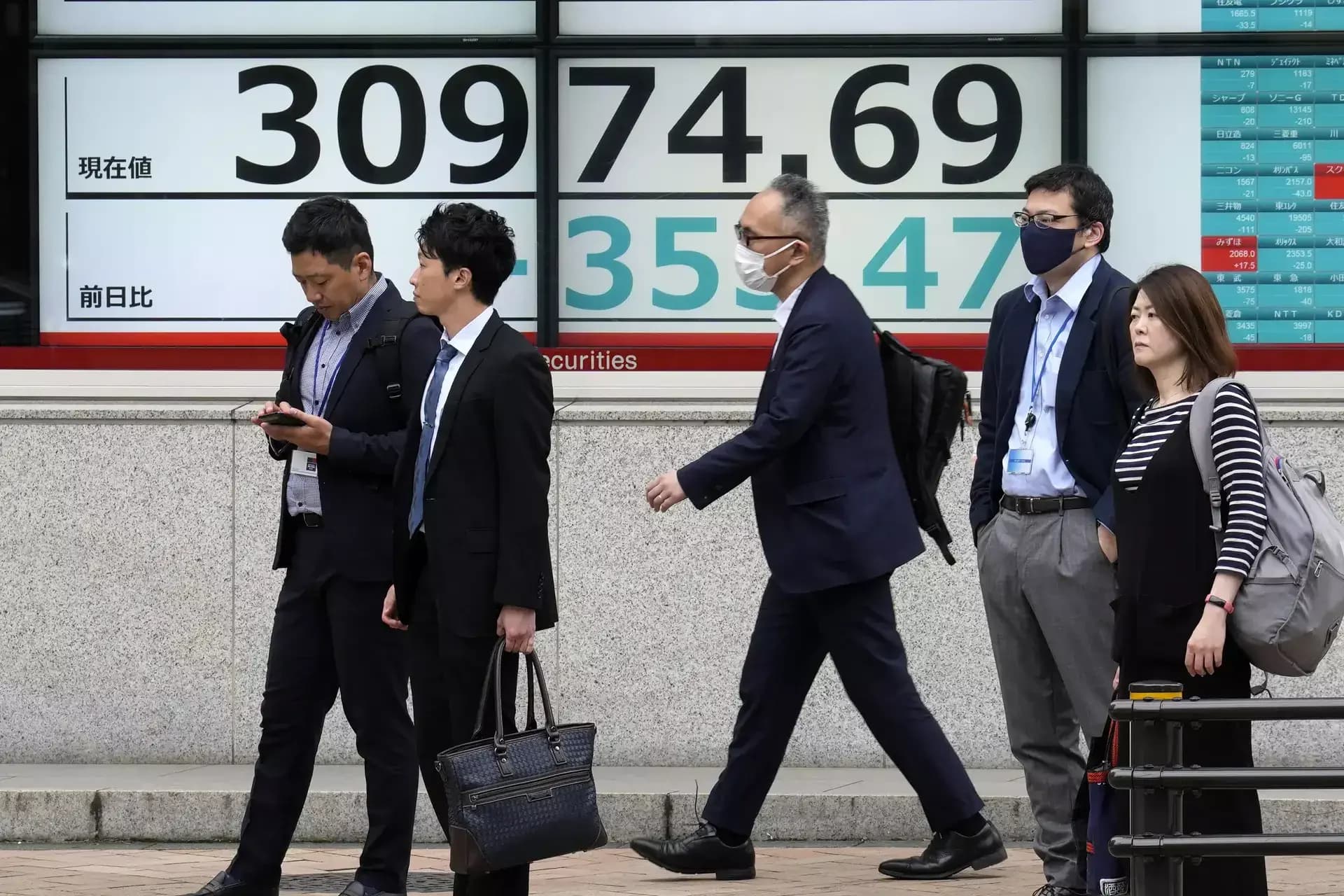
Asian markets showed mixed trends on Tuesday, with Japan's Nikkei 225 closing marginally higher by 0.4% at 62,683 and Singapore's Straits Times gaining 0.07% to close at 4,946, according to Open Magazine. However, South Korea's Kospi index declined sharply by 2.34% to end at 7,643, while Hong Kong's Hang Seng index ended lower by 0.20% at 26,353. Taiwan's weighted index gained 0.26% to close at 41,898. The mixed performance reflects varying responses to global uncertainties, with investors awaiting upcoming domestic CPI data to assess the spillover impact of the ongoing US-Iran conflict on inflation and the economy.
Investors are worried that rising inflation could start to weigh on consumer spending, and possibly prompt the Federal Reserve to raise interest rates to cool demand. According to the CME Fedwatch Tool, odds of a rate hike by the end of 2026 rose from 19% on Monday to 31% on Tuesday, as reported by Business Insider. Despite the inflation concerns, some Wall Street pros still seem to think the Fed will refrain from raising interest rates in the near future. Stephen Juneau, an economist at Bank of America, noted in a client note that "hikes still feel a ways away" because the rise in inflation is not demand-driven but a result of spiking oil prices. However, core CPI — which excludes volatile food and energy prices — has started to creep up, rising 2.8% year-over-year in April, up from 2.6% in March, suggesting that rising energy costs could be bleeding into other areas of the economy. Art Hogan, the chief market strategist at B. Riley Wealth, stated that "the pass through from headline inflation to the core reading is starting to show up."