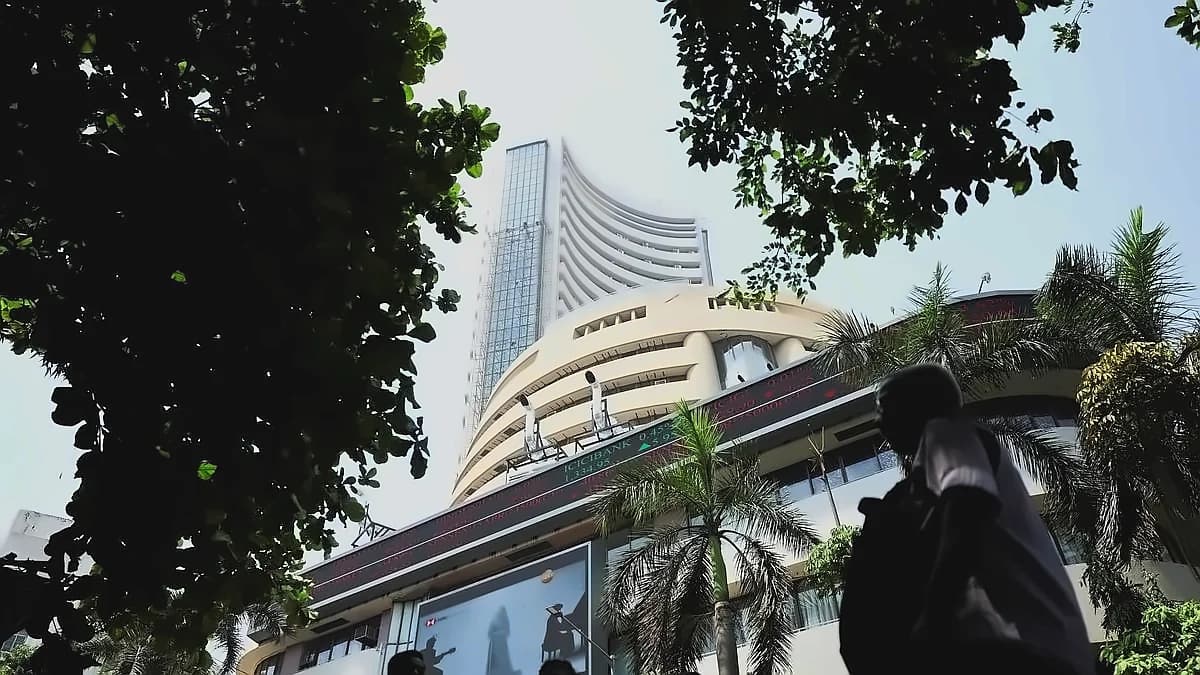
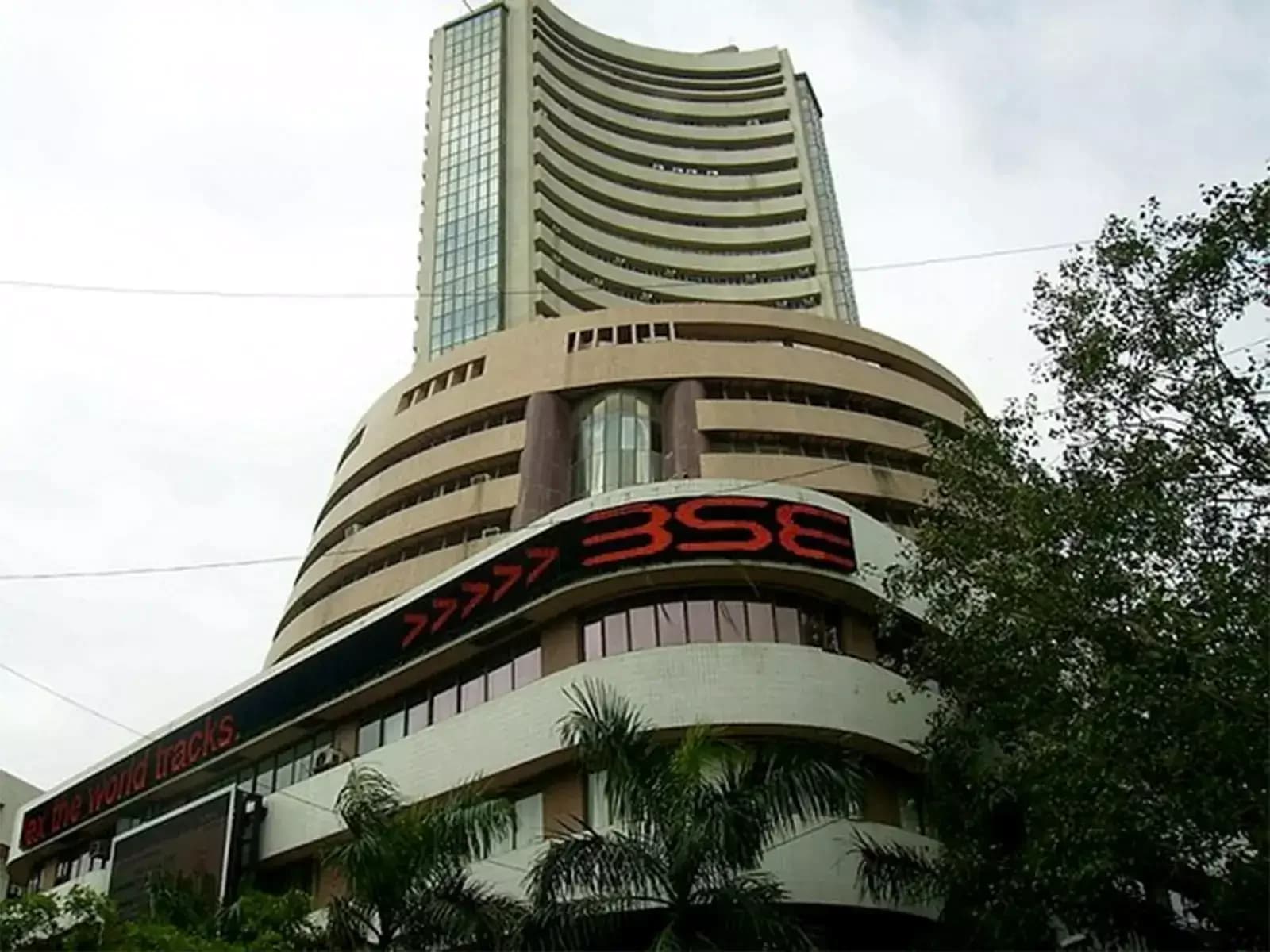
Indian stock markets experienced a brutal crash on Wednesday (May 20, 2026), with benchmark indices falling over 600 points in early trading. The Sensex dropped approximately 600 points to around 74,590 (down about 0.8%) while the Nifty 50 slipped below 23,450 (down about 0.8%). According to Lemonn, the market opened sharply lower with broad-based selling across all sectors, reflecting a risk-off sentiment driven by multiple headwinds including a record-low rupee, elevated crude prices, and high US bond yields. The sell-off in global bond markets persisted overnight as investors ramped up bets that the Federal Reserve may need to increase interest rates this year.
The Indian rupee weakened past 96.9 per US dollar in early trade, hitting a fresh lifetime low and adding significant pressure to market sentiment. As per Lemonn, this rupee slide raises concerns about the import bill, inflation, and the trade deficit, while also reflecting pressure on capital flows. The dollar's rise has pushed the yen back near the 160 level that led to Japanese officials launching their first currency market intervention in nearly two years, with Tokyo stepping in to stem the yen's slide in several bouts of intervention at the end of April and early May. The yen was last at 159.03 per US dollar, its weakest level since April 30, as reported by Reuters. The euro last bought $1.1594, having touched its lowest level since April 8 overnight, while the British pound was at $1.3380, not far from the six-week low it touched earlier this week.
Oil prices remained elevated with Brent crude futures at $110.8 per barrel in early trading, well above the levels before the war started at the end of February. As reported by Reuters, Brent crude futures were down 0.2% to $111.07, though they remained more than 50% higher than in late February before the war began. This elevated price level contributed significantly to investor concerns about energy costs and their impact on corporate earnings. The high oil prices were compounded by geopolitical tensions in the West Asia region, creating additional uncertainty for market participants as the fragile ceasefire agreed in April has mostly held, although markets remain worried as the Strait of Hormuz - a key route for global supplies of oil and other commodities - is still effectively closed. The Strait of Hormuz remained effectively shut, keeping supply risks elevated.
Rising fuel prices could create near-term cost pressure for food delivery and quick commerce platforms such as Eternal and Swiggy, though the overall impact is expected to remain manageable, according to a report by Elara Capital. The report stated that the recent fuel price hike of around ₹4 per litre has increased petrol and diesel prices by nearly 4 per cent amid geopolitical tensions and elevated crude oil prices. Any increase in fuel cost can directly impact delivery economics by lowering delivery partner yields and potentially increasing the risk of payout-related pressure. Assuming fuel accounts for nearly 20 per cent of delivery costs, the implied fuel cost per order comes to around ₹9-10 on a blended basis. The current 4 per cent fuel price increase would have a negative impact of around ₹0.44 per order, but under a worst-case scenario if fuel prices rise further to nearly ₹10 per litre, the per-order impact could increase to around ₹1-1.2 per order.
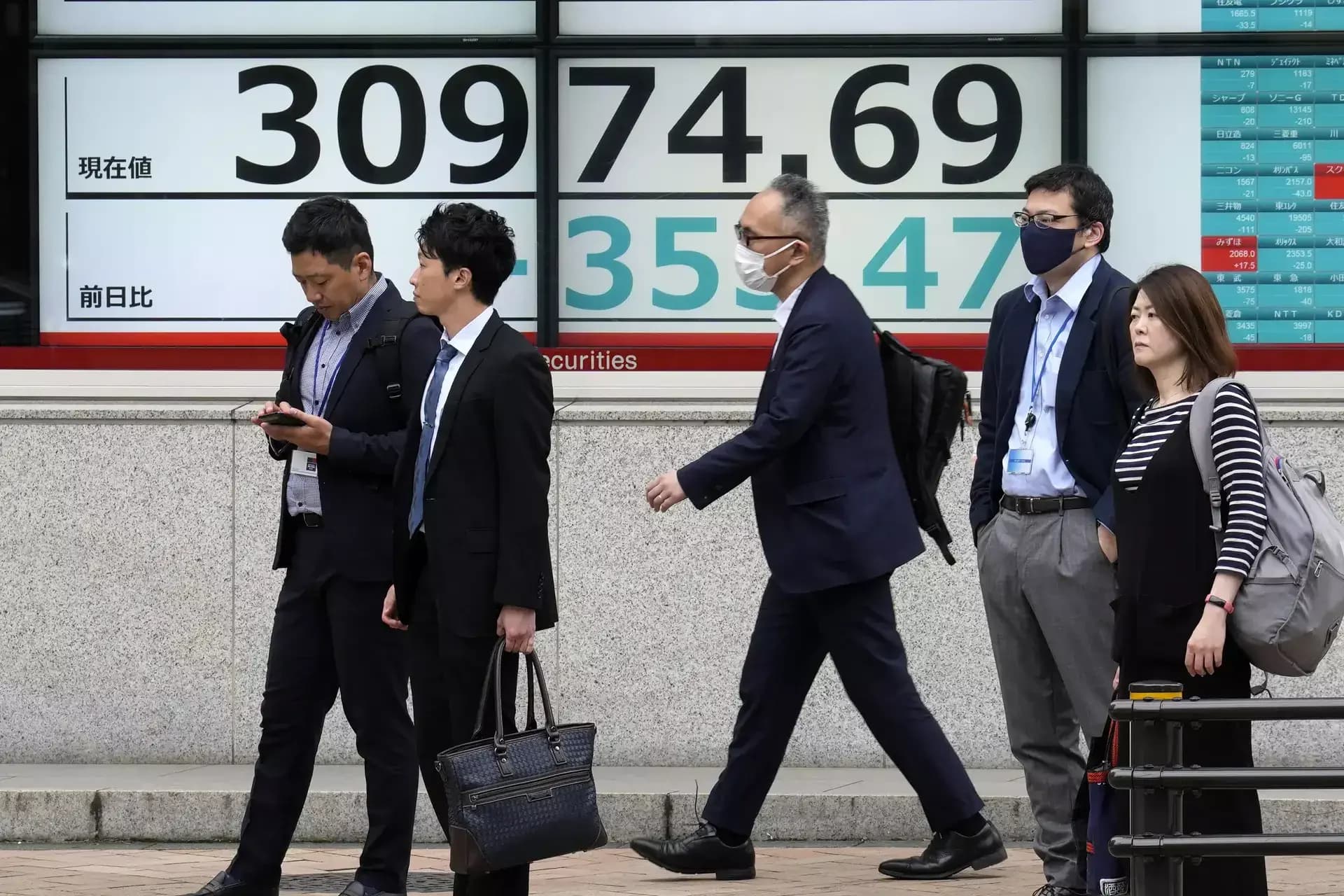
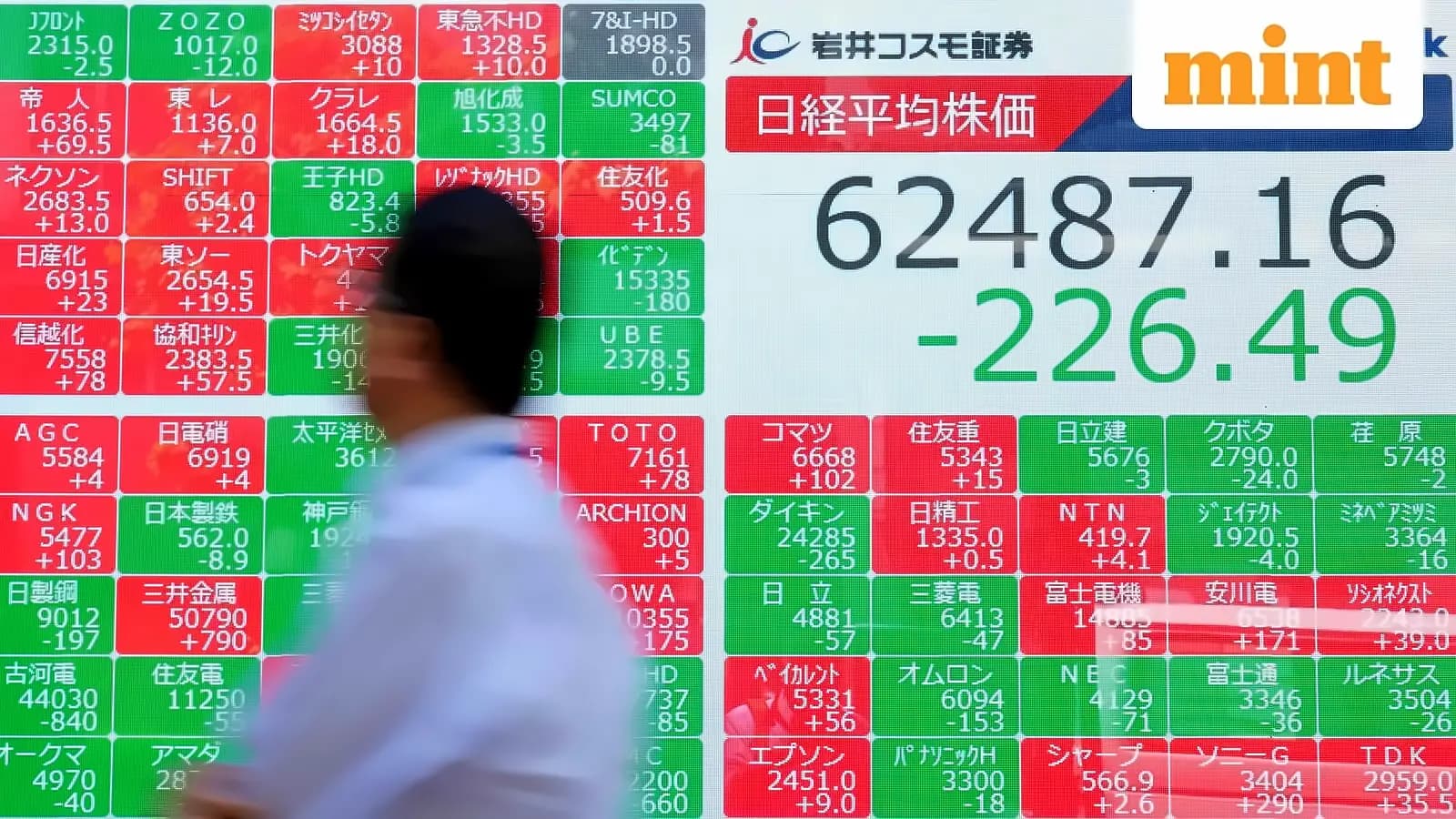
According to Lemonn, auto and metal names led index losses in the opening minutes, with Tata Steel, Bharat Electronics, Mahindra & Mahindra, Maruti Suzuki, and Bajaj Finance among top Sensex losers, declining up to 2%. However, some sectors showed resilience with IT and pharma pockets outperforming versus cyclicals. TCS and Infosys traded with marginal gains despite broader selloff, while Hindustan Unilever fell up to 2% as defensives saw profit-taking. Hindustalco rose about 3% on upbeat commentary from US arm Novelis, and Nifty IT remained marginally up showing defensive buying interest. As per Devdiscourse, MSCI's broadest index of Asia-Pacific shares outside Japan fell 0.7% on Wednesday, while Japan's Nikkei dropped 1.6% and South Korea's KOSPI was down 2%. Chinese blue-chips slipped 0.4%, while Hong Kong's Hang Seng index eased 0.7%. China's blue-chip CSI300 Index edged down 0.3% by the lunch break, while the Shanghai Composite Index lost 0.5%, and Hong Kong benchmark Hang Seng was down 0.6%.