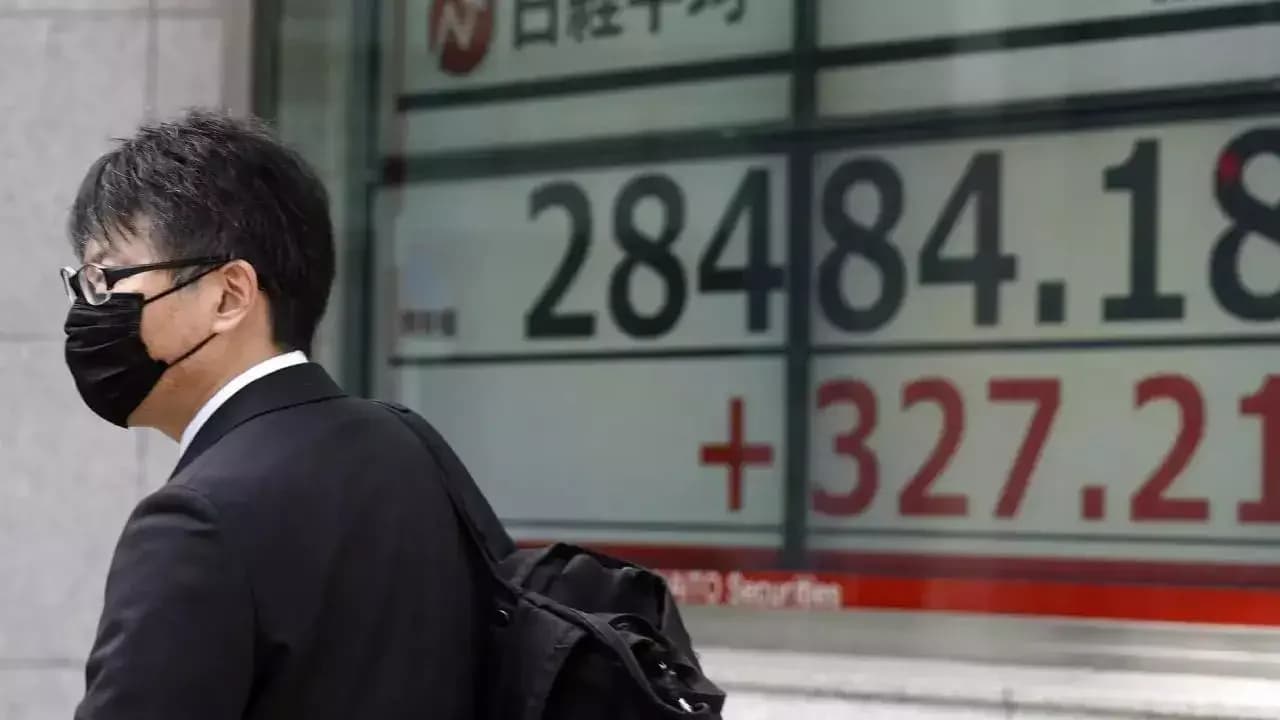
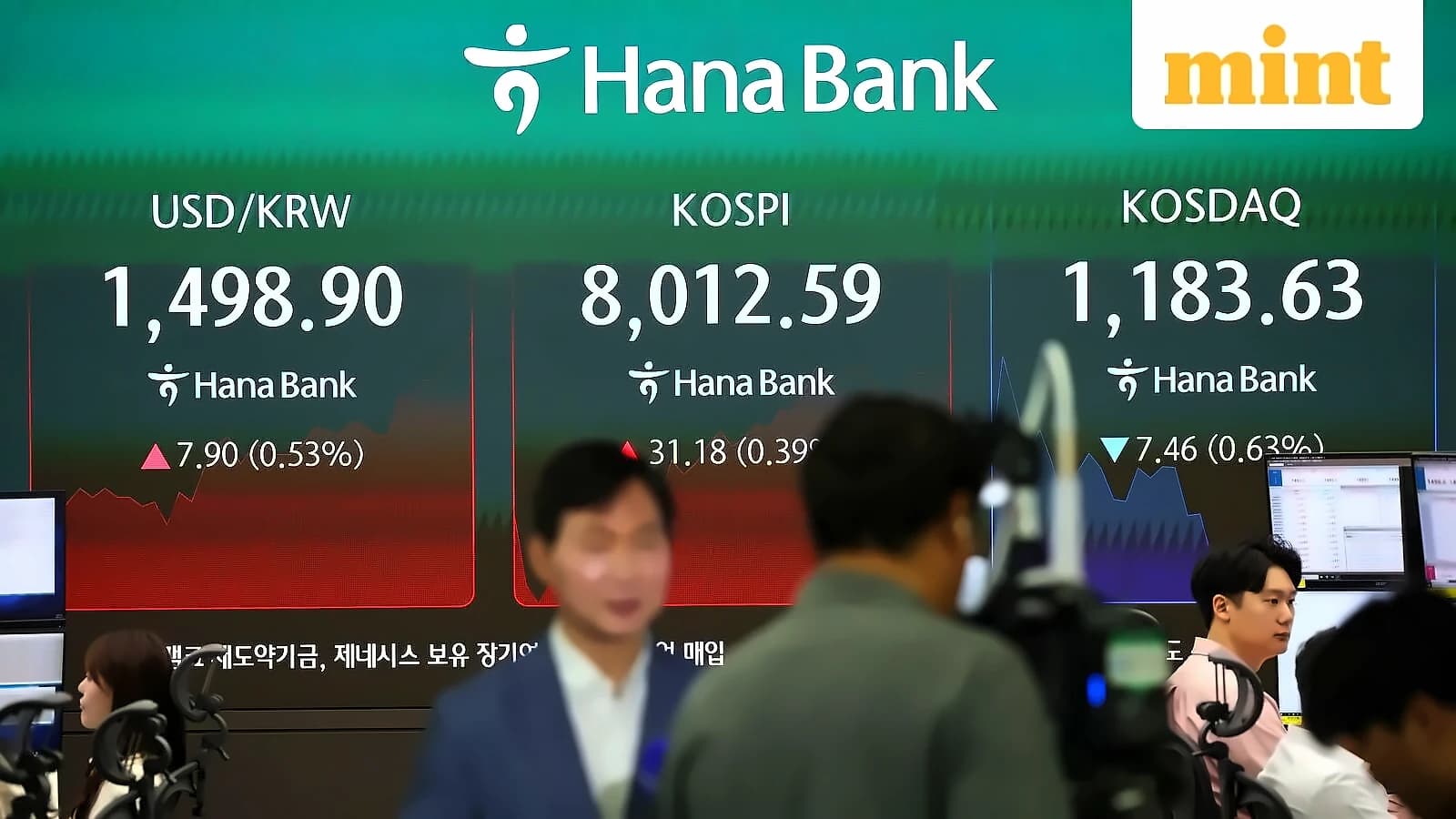
The record-setting AI-led rally appears to be chugging along just fine as investors shrug off the prospect of interest rates staying higher to combat inflation, oil prices above $100 a barrel and an impasse in negotiations to end the Iran war. According to latest reports, South Korea's KOSPI and Taiwan stocks are just shy of their record peaks touched earlier this week, while Japan's Nikkei hit another all-time high. All three indexes have been turbocharged by AI-driven bets, with little sign of momentum fading as Asian chipmakers bring in record profits from their hyperscaler customers. SK Hynix, easily the best performing major stock since 2025, is on the cusp of joining the trillion dollar club with the stock up more than 1,000% since the start of 2025.
Asian stocks turned in mixed performance on Wednesday as strong momentum in technology stocks helped investors look past concerns over rising U.S. inflation and the Middle East tensions. According to latest reports, Japan's Nikkei 225 rose 0.27%, while the broader Topix index slipped 0.23%. South Korea's Kospi gained 0.38%, with the small-cap Kosdaq climbing 1.31%. Hong Kong's Hang Seng rose 0.7%, aided chiefly by a 5% rally in Alibaba Group Holding Ltd after the internet giant said it will spend more on artificial intelligence in the next three years. However, Australia's S&P/ASX 200 fell 0.16%, extending losses into a fifth consecutive session amid growing concerns over an economic and inflationary shock from the Iran war.
Trump arrived in Beijing for the first state visit to China by a US leader in nine years, as the world's two largest economies look to stabilize ties with a summit playing out against the backdrop of the Iran war. According to latest reports, Trump described Xi as a great leader and a friend as they kicked off two days of talks on Thursday that are set to cover their fragile trade truce, the Iran war and U.S. arms sales to Taiwan. The pomp-filled summit began at Beijing's imposing Great Hall of the People, where Xi greeted Trump on the red carpet, with the leaders shaking hands and smiling warmly. Trump has brought along a group of CEOs, including Elon Musk and Nvidia CEO Jensen Huang, looking to resolve issues with China. With expectations low, even a continuation of the status quo could elicit a positive response from markets.
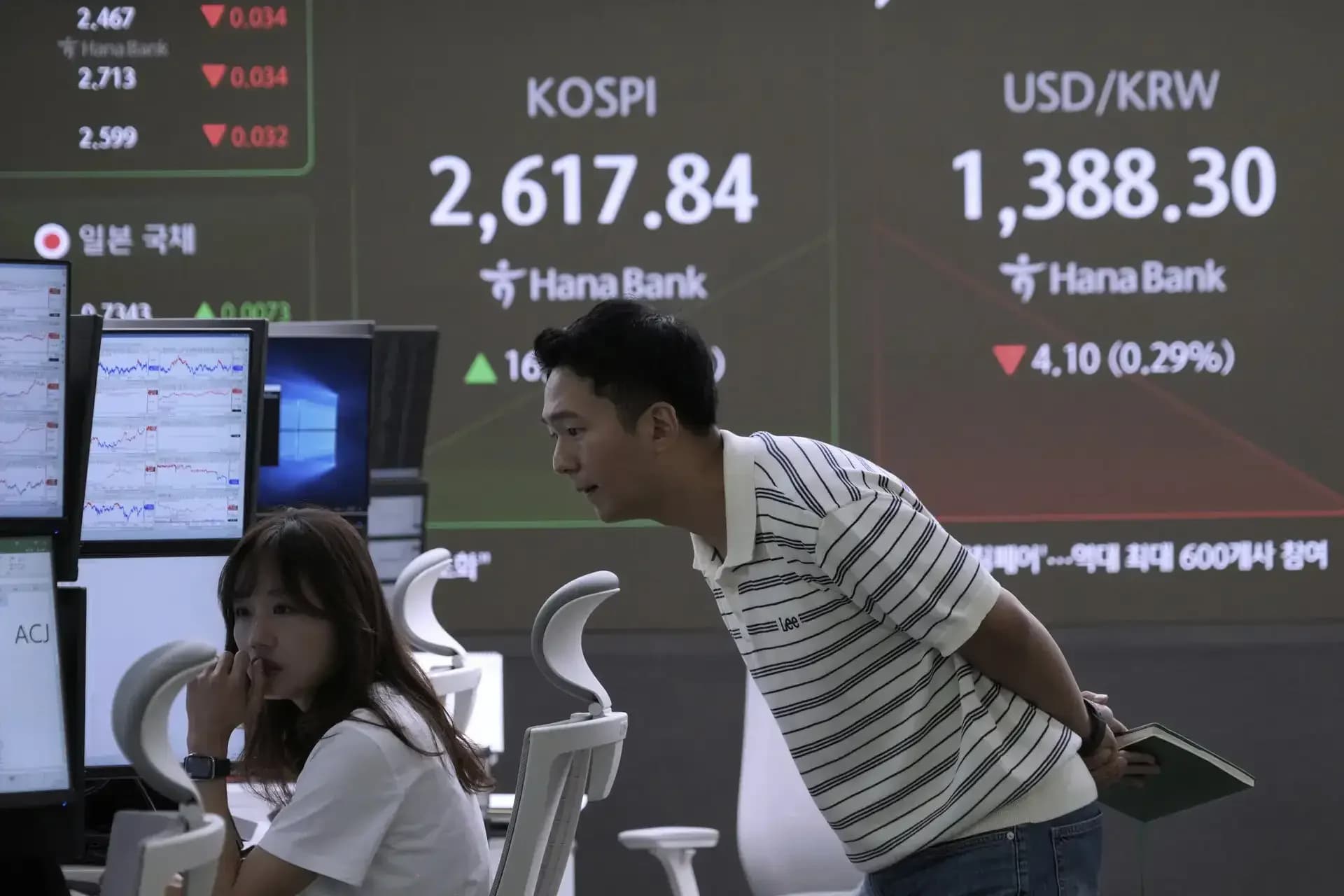
US inflation reports this week have shown mounting price pressures, pushing traders to boost wagers on a Fed rate hike in the coming year. As reported by The Economic Times, US wholesale inflation accelerated in April to the fastest pace since 2022 on a war-driven increase in energy prices that's feeding into higher freight transportation costs. The producer price index rose 6% from a year ago, according to Bureau of Labor Statistics data out Wednesday, eclipsing economist estimates and coming in after a hot consumer price readout. The yield on benchmark 10-year Treasuries rose to the highest since July, while the Senate narrowly confirmed Kevin Warsh as chair of the Fed. Market participants are also monitoring developments in the Middle East, with concerns that the conflict involving Iran could keep inflation elevated and weigh on the global economy.
First-quarter profits at S&P 500 companies have surged 27% so far, more than double the roughly 12% analysts had expected — the fastest year-on-year earnings growth outside of recoveries from major shocks since 2004. According to The Economic Times, Morgan Stanley strategists are turning more positive on US equities in a bet that profits and a strong economy will keep the bull market running. The team led by Mike Wilson expects the S&P 500 to reach 8,300 in the next 12 months, with the gauge currently trading near 7,444. Wilson noted that resiliency in earnings data despite geopolitical risk, private credit concerns and AI disruption is supportive of their view. Investor sentiment remained supported by strong corporate earnings and expectations that spending linked to artificial intelligence will continue to support growth.