Japan's economy demonstrated remarkable resilience in the January-March quarter, with real GDP growing at an annualised rate of 2.1%, according to preliminary government data released on Tuesday. The economy expanded 0.5% quarter-on-quarter from the previous quarter, marking the second straight quarter of growth after moderate 0.2% growth in October-December. Private consumption rose 0.3% quarter-on-quarter or 1.1% annually, while public demand increased 0.3% from the previous quarter. Exports remained a key driver of growth, with net external demand contributing 0.3 percentage point to GDP, and capital expenditure also rose 0.3% from the previous quarter, reflecting support from robust corporate earnings and gradual wage growth. As noted by Amova Asset Management Chief Global Strategist Naomi Fink, 'The breadth of demand showed a high-quality growth picture, which may add evidence that inflation is broadening'. The stronger-than-expected performance exceeded market expectations of 1.7% growth and is expected to play an important role in the Bank of Japan's upcoming policy deliberations as policymakers assess whether the economy is resilient enough to withstand the worsening energy shock.

US President Donald Trump announced on Monday he had paused a planned attack against Iran to allow for negotiations to take place on a deal to end the war, after Tehran sent a new peace proposal to Washington. According to reports from Reuters, Trump subsequently said there was a 'very good chance' the US could reach an agreement with Iran to prevent Tehran from obtaining a nuclear weapon. Market analyst Fabien Yip at IG noted that 'We've seen a lot of back and forth already. Until we actually see real action happening (in the Strait of Hormuz), whereby ships are passing through safely and we see a material rebound in the numbers of traffic going through in the Strait, I think the market in general is shrugging off the commentary from either side'. This policy shift has created mixed market reactions across global financial markets, with financial markets showing limited reaction to the GDP release as investor attention focused on geopolitical developments and Trump's decision to halt the planned strike.
The Middle East conflict has disrupted global energy supplies after U.S.-Israeli strikes on Iran and Tehran's effective closure of the Strait of Hormuz, creating significant challenges for Japan's economy. Rising fuel costs are already intensifying inflationary pressures in Japan by raising import prices and squeezing household purchasing power, with businesses also facing tighter profit margins as operating costs increase. The Japanese government is preparing additional fiscal measures to cushion the economy from rising fuel costs, although further spending could add pressure to the country's already strained public finances. Economists noted that the first-quarter figures largely captured economic conditions before the full impact of the Middle East conflict began to affect global markets, with analysts increasingly expecting Japan's economy to lose momentum as higher fuel prices and prolonged uncertainty weigh on households and businesses. The yen weakened to around 159 per dollar amid safe-haven demand for the U.S. currency, with Tokyo suspected to have spent roughly 10 trillion yen in recent currency intervention efforts aimed at stabilising the yen.
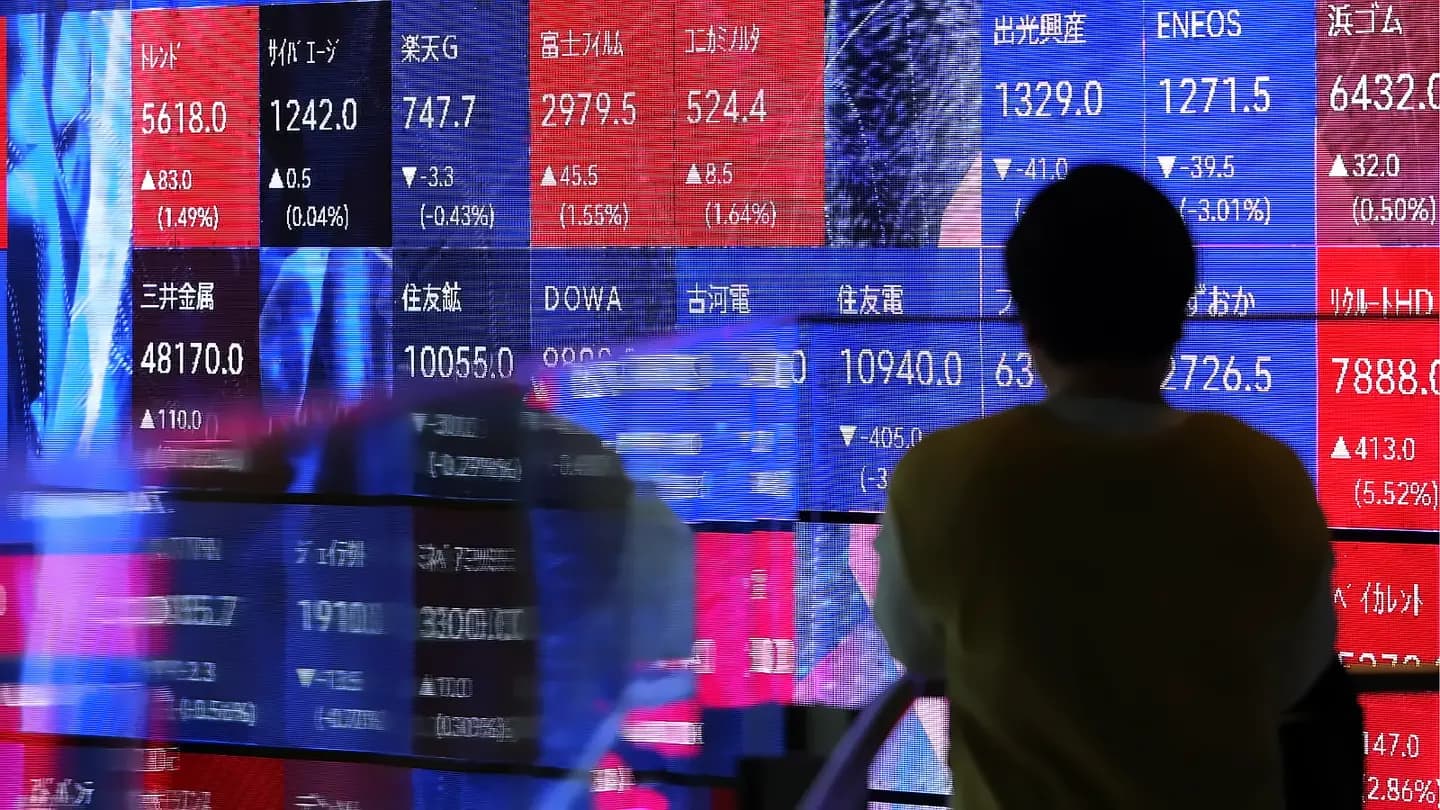
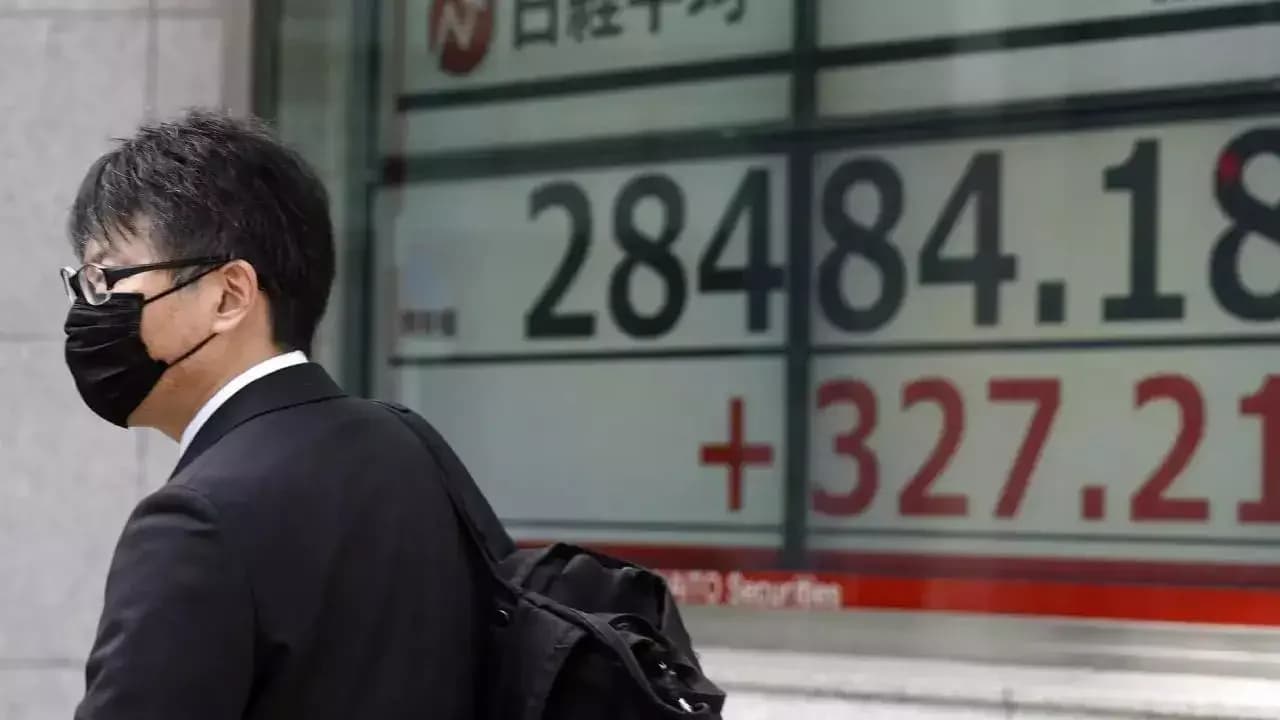
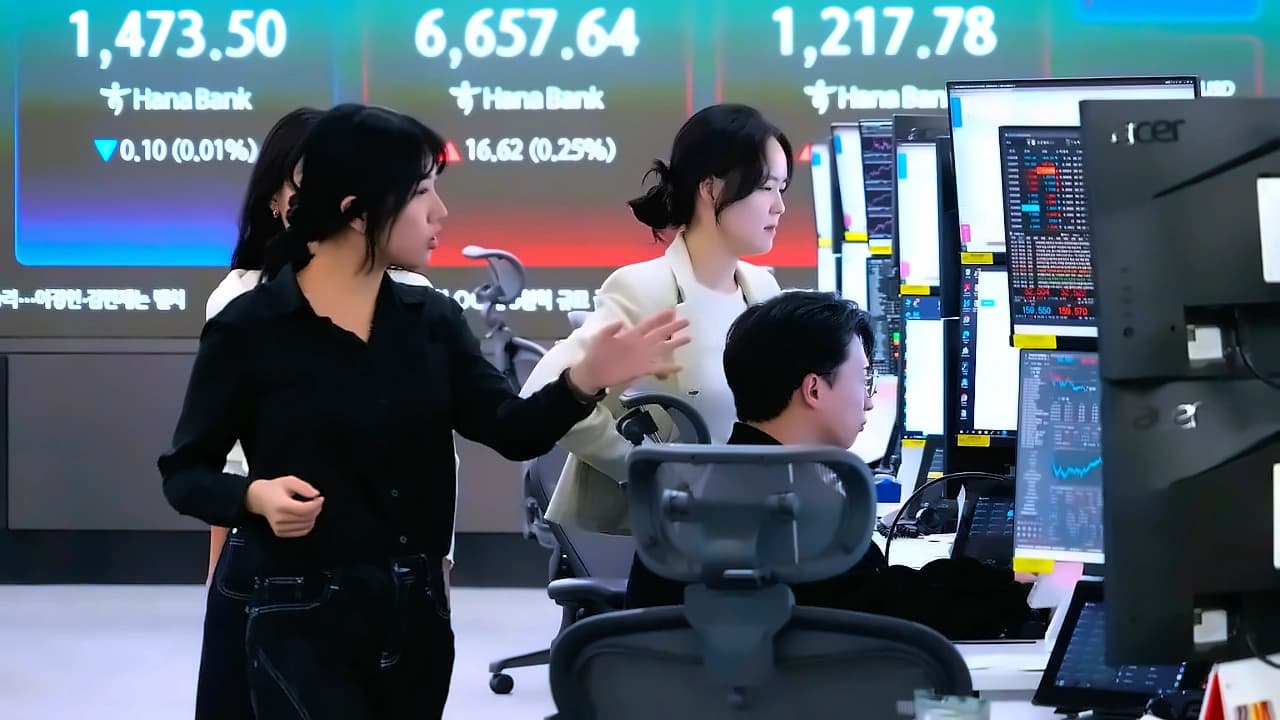
Asian share markets showed mixed performance following the developments, with MSCI's broadest index of Asia-Pacific shares outside Japan down 0.22%. According to Reuters, Japan's Nikkei rose 1% despite Tokyo's benchmark declining 0.6% in Tuesday morning trading after reaching record highs. South Korea's Kospi fell 2%. In futures markets, Nasdaq futures reversed early gains to trade 0.07% lower, while S&P 500 futures lost 0.03%. European markets showed more positive sentiment, with EUROSTOXX 50 futures rising 0.4% and FTSE futures and DAX futures edging 0.3% and 0.4% higher, respectively.
Federal Reserve policy remains on hold as policymakers assess whether inflation expectations become meaningfully unanchored. According to CNBC TV18, William Lee expects the US Federal Reserve to remain on hold as the key question is whether inflation becomes a longer-term process that permanently anchors higher inflation expectations in the market. He notes that so far, long-term inflation expectations have risen only marginally, by about a quarter point, and have largely flattened out. The argument for aggressive policy action will not be effective if actual inflation does not stabilise or move lower, suggesting for investors and monetary policy, it will be more of the same — largely staying on hold. Higher energy costs from the Iran conflict may tilt Japan's central bank toward raising interest rates as it shifts away from years of keeping rates near or below zero. However, the worsening economic outlook has complicated expectations for monetary policy, with markets now reassessing the likelihood of a near-term rate hike as risks to growth intensify.