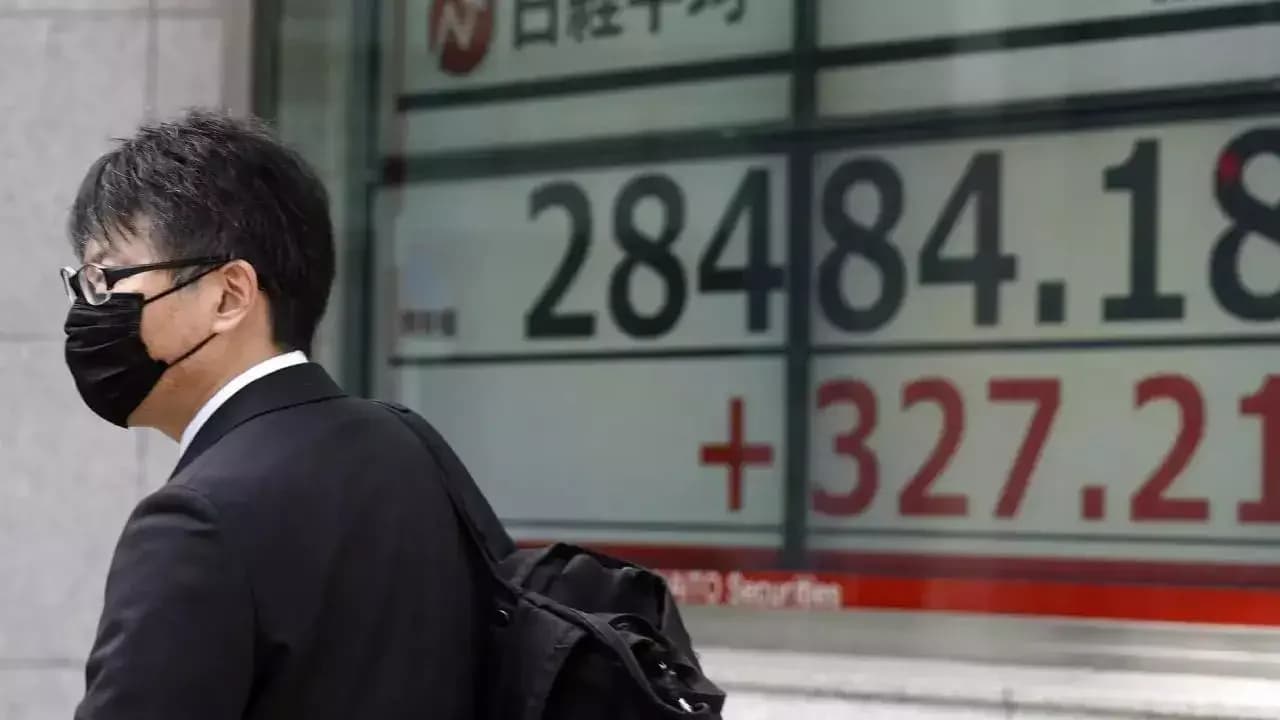
Japan's Nikkei 225 advanced 0.59% to close at 70,474.96 for a third consecutive session, supported by AI-related shares, though fresh hurdles in US-Iran peace negotiations and investor caution limited gains. According to The Economic Times, the benchmark paried an earlier surge of as much as 2.7%, with the broader Topix ending 0.42% higher at 4,011.50. Market breadth was mixed, with 96 advancers against 127 decliners, as analysts noted that "domestically, buying is likely to lead in chip-related stocks, suggesting the market will open higher." However, Tokai Tokyo Intelligence Laboratory warned that investors should remain wary of short-term overheating and profit-taking, given the Nikkei's sharp opening gains before quickly losing momentum in previous sessions.
US markets experienced a significant tech-led recovery on Tuesday, with the S&P 500 gaining 0.8% to 7,499.36 and the Dow Jones Industrial Average adding 136 points, or 0.3%, to its record high of 52,319.20. According to Edward Jones analyst Angelo Kourkafas, "So far, the start of this short week is really about rotation back into tech, which is leading the gains, both the software and semiconductor space, both participating." AI leader Nvidia rose 1.6% to trim its monthly loss, while other chip companies including AMD, Broadcom and Intel surged more than 2%. As B Riley Wealth Management's Art Hogan noted, "Technology was the worst performing sector over the course of the last two weeks," making the current rebound particularly significant for market breadth. The Nasdaq Composite climbed 393.58 points to 26,213.72, though it still fell to its first losing month following two fabulous ones.
The markets received positive news as US President Donald Trump announced that peace talks with Iran will be conducted on Tuesday in Qatar's capital, following weekend clashes in the Middle East. However, Tehran said on Tuesday it would not meet with top US envoys who had flown to the region, with the two sides still far apart on a framework that would fully open the Strait of Hormuz. According to CNBC TV18, Iran requested the meeting and it will take place in Doha, with Trump saying "peace talks with Iran will be conducted on Tuesday in Qatar's capital." US negotiators Jared Kushner and Steve Witkoff had positive discussions with regional leaders in Qatar and technical talks with Iran are moving ahead, according to a senior administration official. This development follows several days of tit-for-tat strikes since an Iranian projectile hit a cargo vessel in the Strait of Hormuz last week, with both sides accusing each other of breaking an interim ceasefire.
The main reason for this month's weakness in US markets has been a significant fall in artificial intelligence industry stocks after their dramatic surge during the AI frenzy. Microsoft, which is investing heavily in AI, rose 0.7% to bring its monthly loss back below 18%, while Oracle fell 1.6% to bring its June drop to nearly 36%. As The Hindu BusinessLine reports, these stocks have come under pressure because of worries that they shot too high during the AI boom. The Philadelphia Semiconductor Index surged 3.9%, with the Nasdaq Composite jumping 1.52% to 26,213.72. This rotation represents a fundamental shift as investors reassess the enormous AI-related capital expenditure being undertaken by major firms, with analysts attributing some weakness to month-end and quarter-end rebalancing flows.
Oil prices drifted as two US envoys arrived in Qatar for talks with mediators about the implementation of the Iran deal. Benchmark US crude added 37 cents to $69.87 a barrel, while Brent crude, the international standard, rose 30 cents to $73.25 a barrel. According to The Hindu BusinessLine, "While oil markets are currently priced for a gradual return to supply normalization, traffic through the Strait of Hormuz has yet to recover to prewar levels." Oil prices continued to gain on Tuesday ahead of US-Iran talks in Doha, with Brent crude for September delivery trading at around $73.50 a barrel after edging 0.7% higher in early Asian trading, while West Texas Intermediate (WTI) was near $70 a barrel. Fresh disagreements over control of the Strait of Hormuz are clouding hopes of a lasting resolution to the four-month conflict.
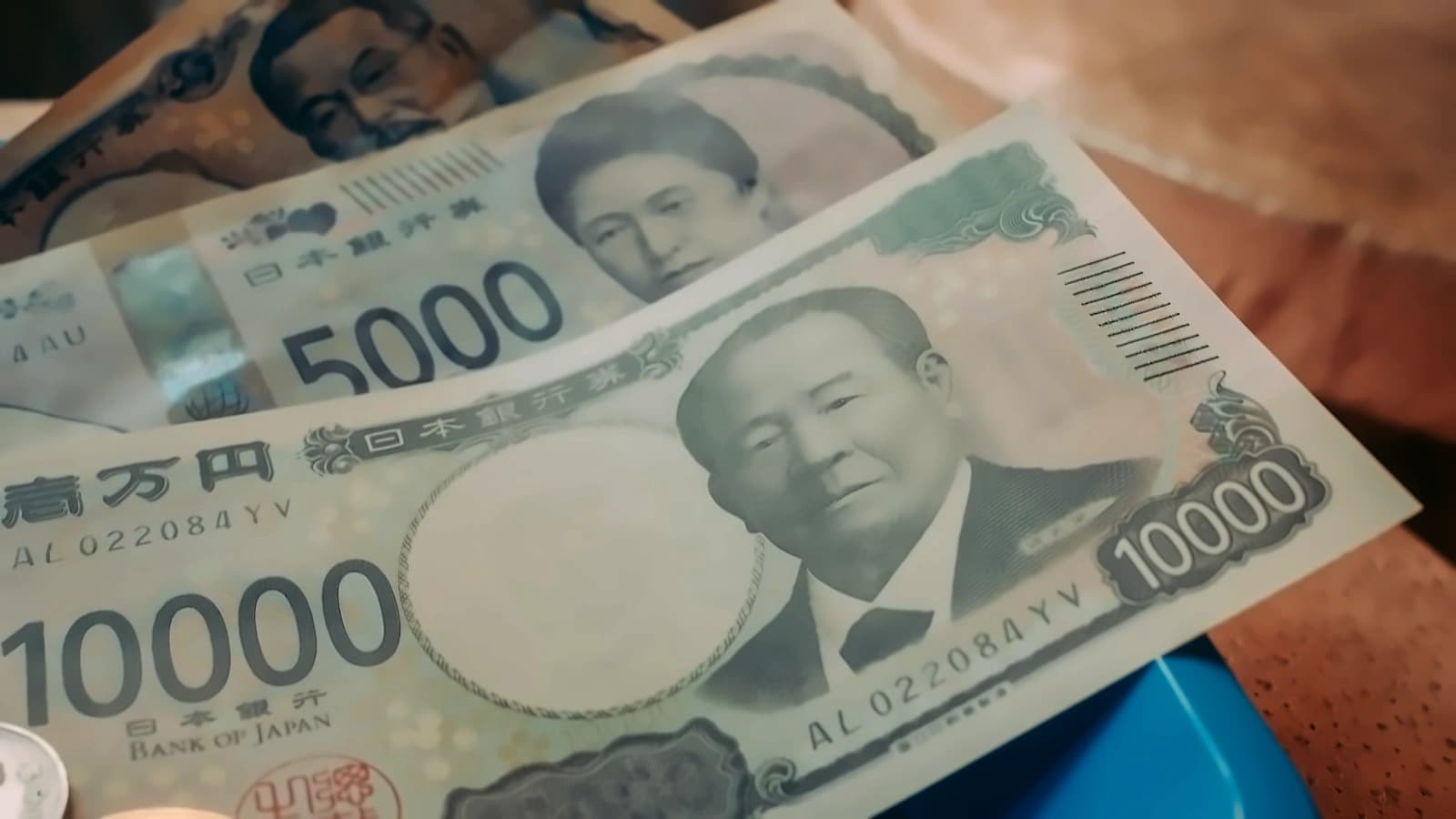
Despite AI-driven gains, Japanese manufacturers face ongoing challenges from Middle East tensions. Sentiment among large Japanese manufacturers improved in the three-month period ended June to its highest levels since 2018, according to the Bank of Japan's Tankan survey released Wednesday. However, companies expect business conditions to worsen over the next three months as they brace for rising costs and potential supply constraints stemming from the Middle East conflict. Kawasaki Heavy Industries swung sharply, briefly rising more than 5% before closing 7.66% lower on news of plans to raise about 200 billion yen ($1.23 billion) through new shares and convertible bonds to fund capital expenditure. Department store operator J. Front Retailing dropped 7.6% after disappointing March-May earnings, highlighting sector-specific challenges amid the broader market optimism.