European stocks faced a minor setback on Wednesday, taking a brief respite following a strong performance in the second quarter. According to The Economic Times, the pan-European STOXX 600 index slipped 0.3% to 639.64 points by 0710 GMT after logging its strongest quarter since October 2020 in the previous session. Investor sentiment remains cautious due to signs that peace talks between Iran and the United States hit a new stalemate, with Iran saying it would not meet with top U.S. envoys who flew to the region following an outbreak of hostilities. The technology sector, which had been a key driver over the past three months, was flat, with chip equipment maker ASML down 1.1% and IQE and Infineon trading marginally lower.
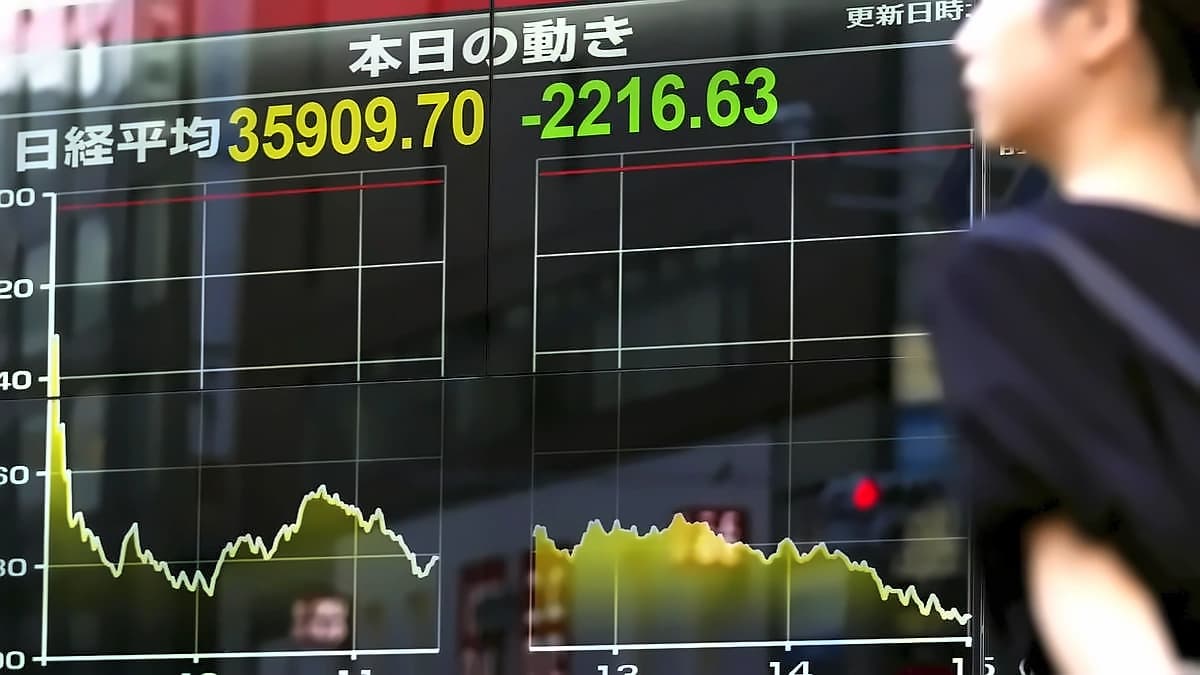
Asian markets opened higher but declined sharply thereafter, with South Korea's Kospi index down 1% after reversing earlier gains of 1.17% and Japan's Nikkei 225 remaining volatile and trading largely flat as investors navigated complex dynamics of renewed diplomatic efforts in West Asia. According to CNBC TV18, the markets opened higher but declined thereafter, with South Korea's Kospi index down 1.6% and Japan's Nikkei index trading flat. In contrast, overnight Wall Street indices ended higher, with the Dow Jones closing at a record high of 52,182.74 (+0.59%), S&P 500 advancing 1.18% to 7,440.43, and Nasdaq surging 2.07% to 25,820.14 on Monday. As reported by Reuters, Nick Twidale, chief market strategist at ATFX Global, noted that "it feels like we are lacking a bit of direction" and expects the day to be "a bit of a flow-driven day without major moves to either side."

The Trump administration's effort to unwind decades of sanctions as part of a deal to end the war with Iran has created a head-spinning situation for governments, banks and other companies as they contemplate a shifting patchwork of new permissions and old restrictions. Following the revolution in 1979, Iran became one of the most sanctioned nations on Earth over its nuclear programme and support for regional militias. But the White House is now orchestrating a stunning reversal as part of a broader deal to open the Strait of Hormuz, lower global energy prices and end its unpopular war. The 14-point memorandum of understanding signed by Trump and Iranian President Masoud Pezeshkian on June 17 includes the removal of all US sanctions on Iran on "an agreed upon schedule" and directs the Treasury Department to issue waivers for existing sanctions for 60 days as technical negotiations unfold.
Oil prices received a significant boost from the renewed diplomatic efforts, with American crude holding its advance before expected US-Iran talks in Doha, trading around $70.15 a barrel as reported by CNBC TV18. According to CNBC TV18, American crude held its advance before expected US-Iran talks in Doha, the commodity traded around $70.15 a barrel. However, oil prices have fallen back to pre-Iran war levels, though concerns persist that price pressures will linger for some time. As reported by Reuters, investor sentiment remained fragile despite Iran and the United States agreeing to halt renewed hostilities after several days of tit-for-tat strikes that had threatened an interim peace deal. The renewed diplomatic effort follows attacks triggered after an Iranian projectile struck a cargo vessel in the Strait of Hormuz last week, with both sides accusing each other of violating the ceasefire.
Rising expectations for Federal Reserve rate hikes continued to support the US dollar, with investors now pricing in at least one hike this year, representing a sharp reversal from expectations of two rate cuts before the conflict began. According to CNBC TV18, the dollar slipped, and US Treasury yields were little changed during the New York session. BofA strategists expect three rate hikes, citing a resilient labour market, new Fed Chair Kevin Warsh and persistent inflation. The focus will be on the European Central Bank's Sintra conference, where U.S. Federal Reserve chair Kevin Warsh and ECB President Christine Lagarde are expected to speak later in the day. Traders anticipate both major central banks to lift interest rates by at least 25 basis points each later this year, as reported by LSEG-compiled data. The dollar index stood at 101.33, just below the one-year high touched last week, while the Japanese yen traded at 161.93 a dollar early Tuesday.
The disorienting change will be tricky to implement in a way that appeals to risk-averse US financial institutions and other firms, according to former Treasury officials, sanctions attorneys and industry sources monitoring the process. "You want to be 100 per cent sure that you're within compliance," said Adam Smith, a former senior adviser to the director of the Treasury's Office of Foreign Assets Control. "One-off transactions that close within the 60 days could work, but there may be challenges finding banks and other intermediaries willing to process transactions." Treasury Secretary Scott Bessent said on June 24 that Iran will invoice its oil sales in US dollars, marking a departure from Washington's longstanding goal of locking Tehran out of the US financial system. The first step came June 22 when Treasury issued General License X, which allowed oil sales to be conducted in "US dollar-denominated funds."