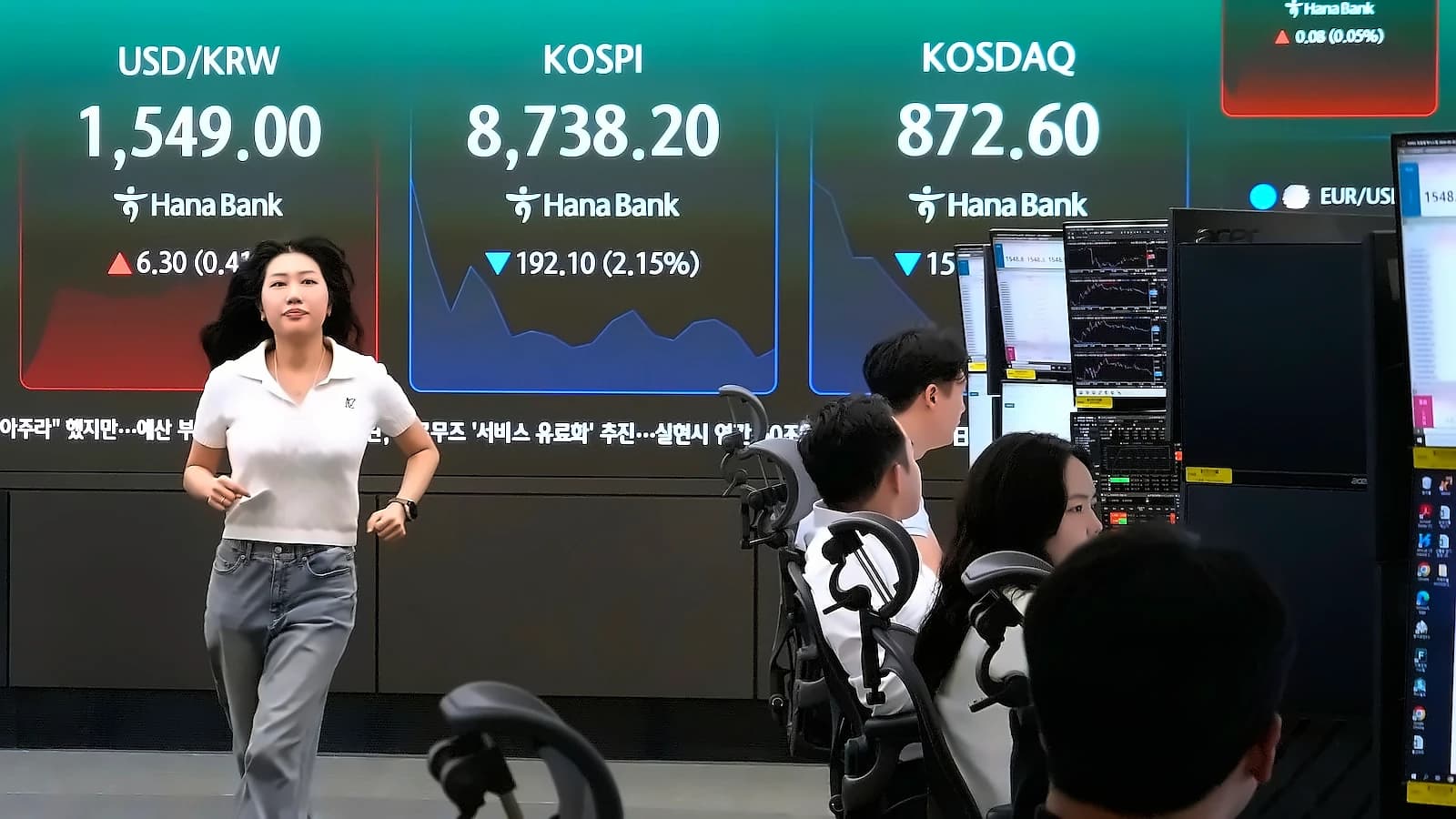
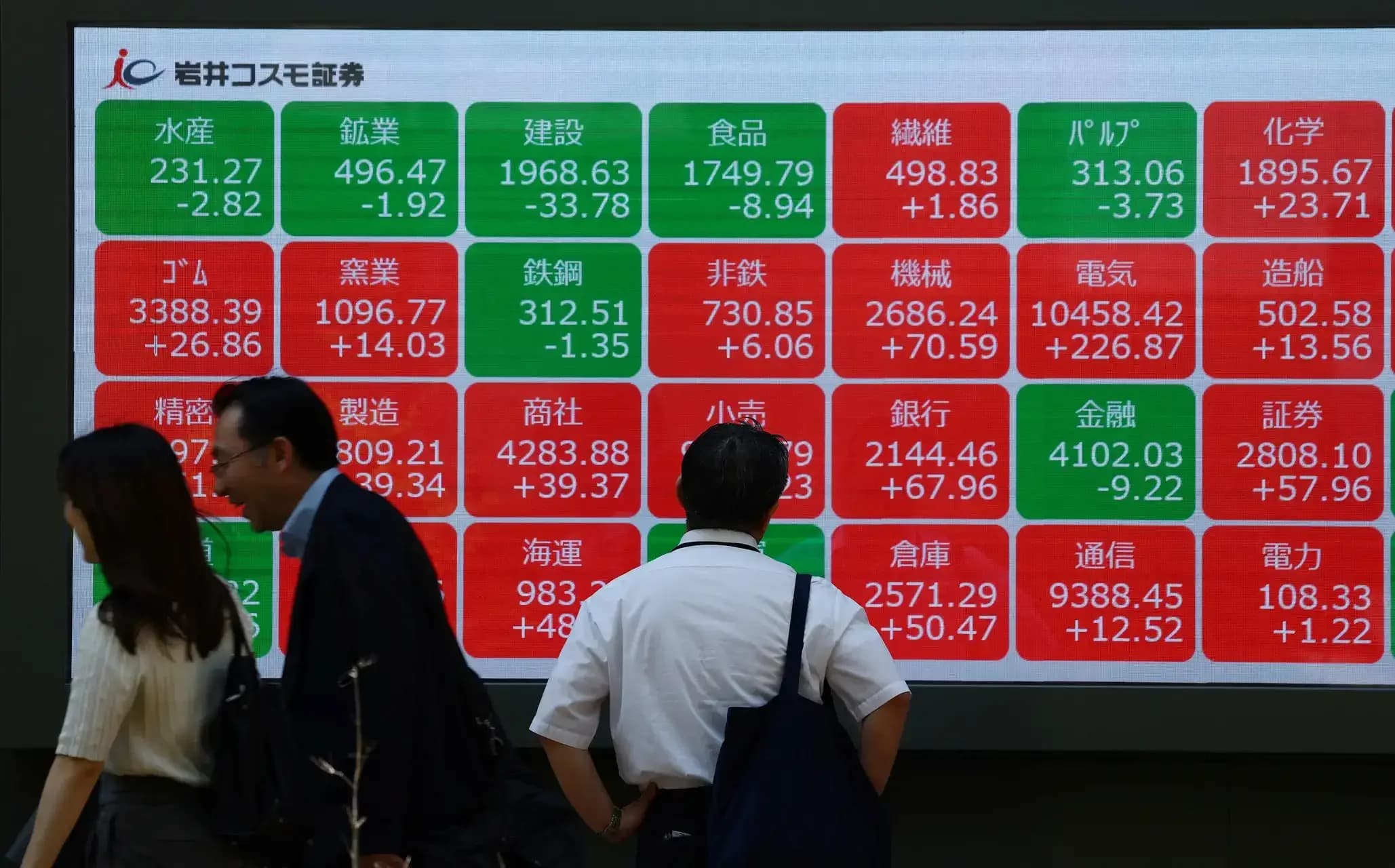
Asian share markets rebounded on Friday as tech stocks rallied on strong earnings, boosting investor confidence across the region. According to reports from The Economic Times, Apple amplified the cheer by beating forecasts and providing an upbeat outlook for sales, though it did warn of chip supply constraints. The tech giant's shares rose 2.7% in extended trading, adding to gains of 10% in both Caterpillar and Alphabet as they beat expectations. This positive momentum helped offset concerns about geopolitical tensions and currency volatility, with the S&P 500 climbing more than 10% for all of April and Nasdaq surging 15% in its best performance since 2020. April was also a barnstormer for Asia, with Japan's Nikkei up 16% for the month, Taiwan gaining 23% and South Korea almost 31%. As per eToro analyst Bret Kenwell, the frenzied week of earnings reports offered insights into how tech heavyweights are performing in AI, with Alphabet Inc.'s Google seeing clear payoff from its spending while Meta Platforms Inc. is lagging behind.
Japan's first yen-buying intervention in two years steadied the battered currency after sources said Japanese authorities had intervened on Thursday to sell dollars for yen. As reported by The Economic Times, the intervention initially sent the greenback sliding five whole yen to a two-month low of 155.50, but buyers were back on Friday, lifting the dollar to 157.29. Market analysts noted that the cost is likely to be in the tens of billions of dollars based on history, with Deutsche Bank's macro strategist Tim Baker suggesting the cross may well be high relative to rates but low relative to a simple model that includes rates, equities and oil. The yen stepped back 0.25% against the greenback to 156.99 per dollar, but Thursday's surge put the Japanese currency on course for a 1.8% jump this week, the most since mid-February. Despite the intervention, the dollar index slid 1.76% in April after a surge in March that underscored the U.S. economy's relatively lower exposure to higher oil prices compared with the euro zone and Japan.
Oil prices eased from four-year peaks amid geopolitical tensions, though Iran's threats kept crude firm. According to The Economic Times, Brent crude firmed 1.2% to $111.70 a barrel, though that was well off Thursday's four-year peak of $126.41. U.S. crude rose 0.5% to $105.64 a barrel. As per LPL Financial analyst Adam Turnquist, the upside momentum has been fueled in part by signs of de-escalation of the conflict with Iran and hopes the Strait of Hormuz could reopen soon. West Texas Intermediate crude fell 1.4% to $105.35 a barrel, providing support to markets. Asia remains acutely vulnerable to higher energy prices, importing most of its oil and gas, with oil flows badly disrupted through the vital Strait of Hormuz. Iran said on Thursday it would respond with 'long and painful strikes' on U.S. positions if Washington renewed attacks and restated its claim to the strait.
Currency markets came alive after central banks signaled potential rate hikes, influencing currency movements across the globe. As reported by The Economic Times, the Bank of England warned that the fallout from the Iran war could lead to 'forceful' rate rises if energy prices kept climbing, with one board member voting for an immediate hike. European Central Bank President Christine Lagarde said they were debating whether to lift rates and noted that data over the next six weeks would decide the issue. Citi analysts noted that the messages conveyed during the press conference leave us with a distinct perception that the consensus among governors is that they will hike policy rates at the next meeting on June 11. The ECB and BOJ kept interest rates unchanged on Thursday, as expected, following holds earlier in the week by the Federal Reserve and Bank of Japan, but both central banks signaled readiness to hike rates as soon as June to contend with imported energy inflation.
Market holidays limited the reaction across Asia on Friday, with the Nikkei up 0.4% and Australian shares adding 0.7%. According to The Economic Times, MSCI's broadest index of Asia-Pacific shares outside Japan edged 0.3% higher. Despite ongoing geopolitical tensions threatening oil flow through the Strait of Hormuz, Asian markets remained buoyant, supported by a firmer dollar and increasing optimism in the global economic outlook. In cryptocurrencies, bitcoin fell 0.17% to $76,330.16, and ether declined 0.27% to $2,257.53. As per Northlight Asset Management analyst Chris Zaccarelli, the broadening rally in US equities will help the S&P 500 settle into a higher range as earnings hold up and economic data firms, buffering any de-risking from oil near recent highs. However, ongoing geopolitical uncertainty, particularly surrounding Iran, and its implications for growth and inflation are likely to keep volatility elevated.