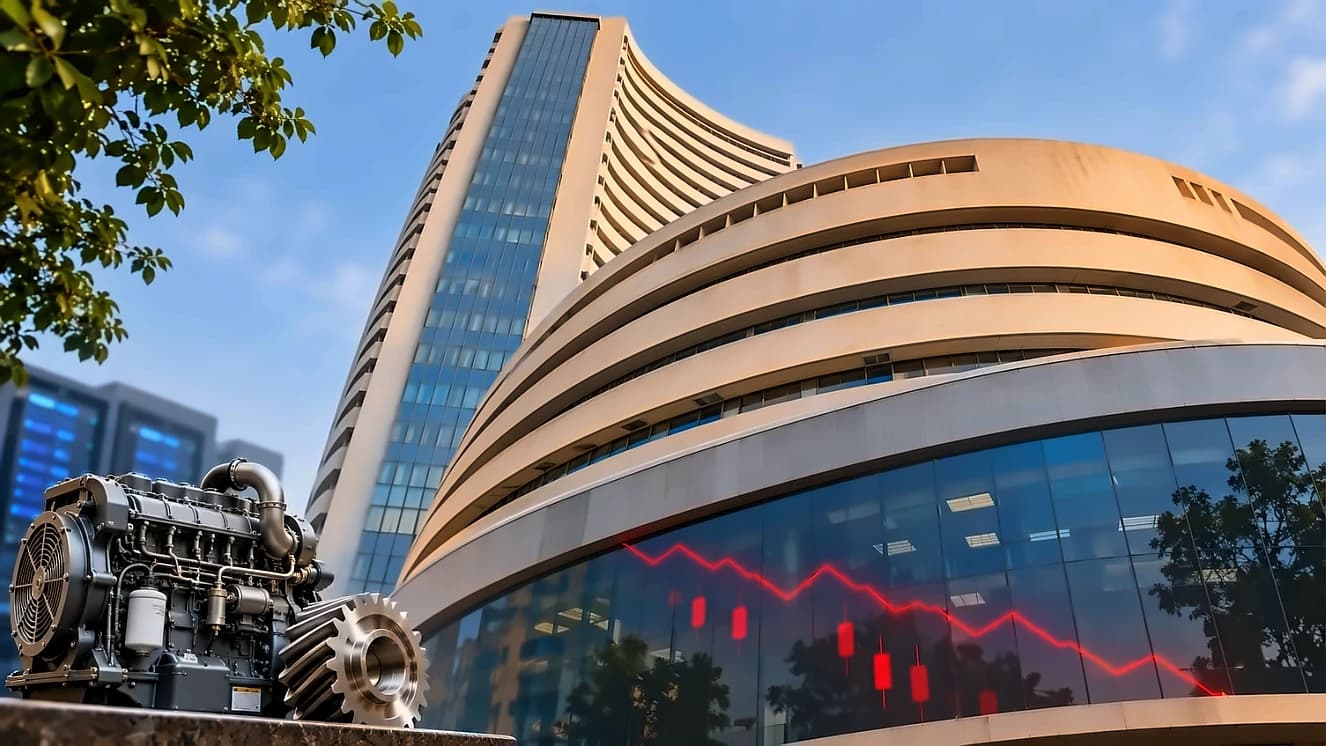
US semiconductor stocks opened sharply higher on Monday, extending Wall Street's recovery from last week's technology selloff. AMD led the gains with a 8.62% surge to $487.75, while Broadcom climbed 6.87% to $313.88 and Micron Technology advanced 5.46% to $727.71. Qualcomm gained 4.10% to $172.20, with the Philadelphia Semiconductor Index rising 4.78% to 9,838.77. This rally builds on Friday's recovery when AMD shares jumped 11.04% to close at $449.04, demonstrating sustained investor interest in semiconductor alternatives to Nvidia amid ongoing leadership challenges.
Nvidia shares dropped 4.92% to $177.46, extending pressure from premarket trading as fresh scrutiny surrounding CEO Jensen Huang weighed on the stock. The controversy centers on CEO Jensen Huang's admission of an affair with a former Megaspeed International executive who is suspected by U.S. officials of having links to foreign intelligence activities. The company's board has launched an independent investigation into reports that Huang may have been targeted by a foreign intelligence operation, creating additional uncertainty beyond earlier investigations into Huang's foreign intelligence connections. As reported by Reuters, these developments have contributed to the semiconductor giant's current market challenges, with Nvidia stock falling 8.8% for the week, marking its biggest weekly loss since April 2025.
Oppenheimer upgraded AMD stock, citing expectations that its data centre revenue could jump 135% in 2027, adding to momentum after AMD's strong Friday performance. The upgrade reflects growing investor interest in alternatives to Nvidia, with AMD's outperformance also reflecting growing investor interest in alternatives to Nvidia. The company reported third-quarter revenue of $13.38 billion, up 45% year-on-year, with data centre revenue nearly doubling to $8.55 billion. CEO Lisa Su forecast revenue growth of more than 80% in 2027, with fourth-quarter revenue expected around $17 billion. As reported by Reuters, NH Investment & Securities analyst Ryu Young-ho noted that rivals such as AMD could attract more attention in the short term, with the company's sales expected to surpass Intel's for the first time this quarter.
The Monday rally follows Thursday's brutal technology selloff when the Philadelphia Semiconductor Index plunged around 12%, as concerns over tighter AI regulation and possible restrictions on data centre expansion unsettled investors. Democratic victories in the US midterm elections intensified those concerns, but Friday brought relief as Nvidia, AMD, Micron and other chipmakers recovered as investors bought beaten-down shares. However, the rebound has not removed questions about the scale of AI infrastructure spending or the returns it can generate. Upcoming results from companies including Applied Materials and CoreWeave could offer fresh clues about demand and investment plans.