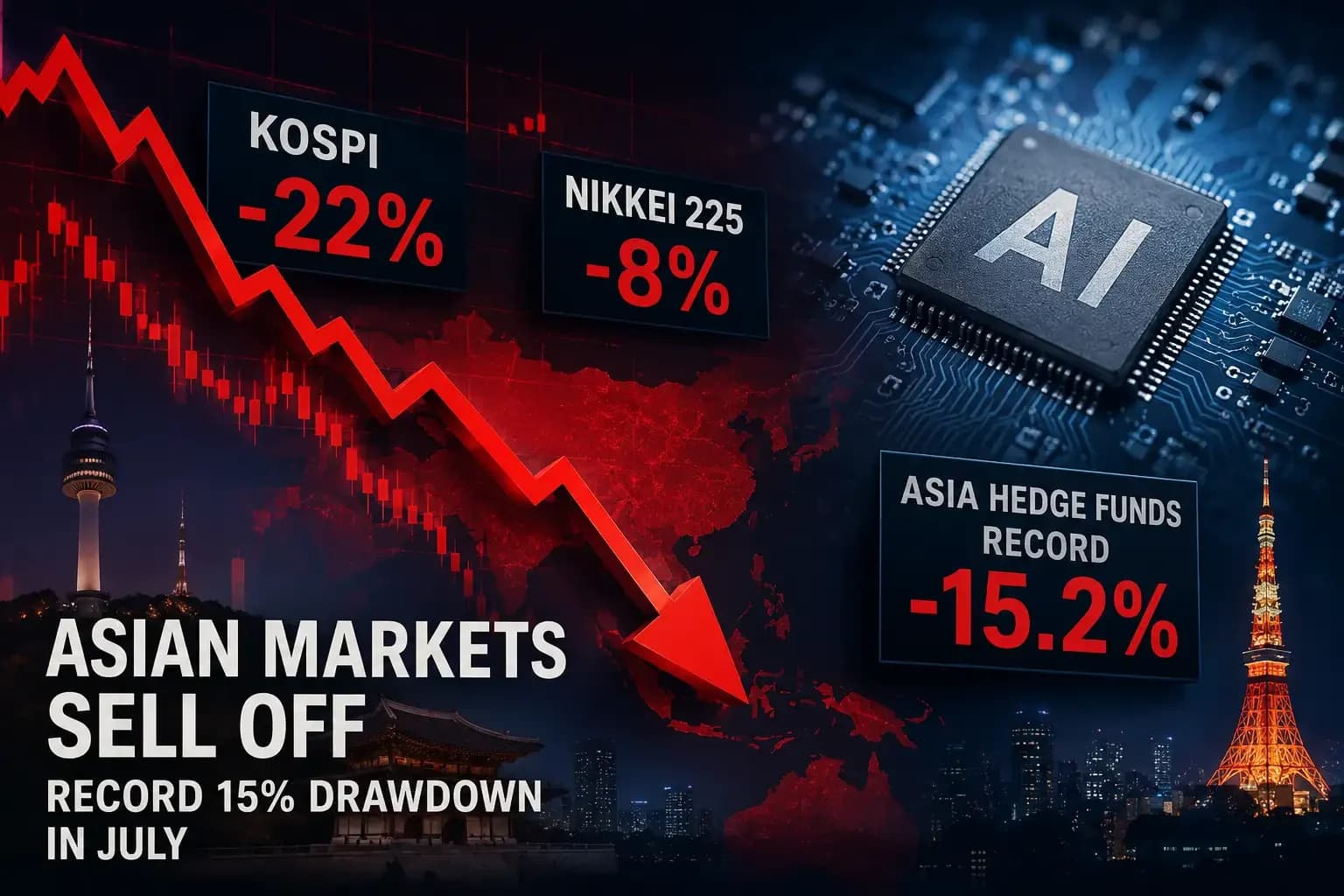
The recent rout in artificial intelligence stocks has highlighted the importance of portfolio diversification for investors. According to reports from CNBC TV18, investors who have been wary of concentration risk in their portfolios following the latest AI trade decline are now seeking alternatives. The turbulence in the tech sector has underscored the need for more diversified investment strategies across different geographic markets, with the latest pullback stressing the importance of portfolios that can continue climbing alongside AI themes while offsetting sharp drawdowns.
European stock markets experienced significant declines as global technology selloffs rattled investors, with the pan-European STOXX 600 index closing 0.36% lower at 646.75 points despite recording its best month since June. As reported by The Economic Times, results from Amazon and Intel in the US rekindled concerns about the high costs of building out AI infrastructure, prompting a pullback from technology names worldwide. The European technology sector index fell 2.75% for its worst day since July 7, with AT&S, Soitec and Technoprobe leading losses with declines ranging from 9% to 13%.

The tech sector's struggles are particularly evident in emerging markets, where South Korea and Taiwan account for nearly half of the iShares Emerging Markets ETF (EEM) due to the dominance of those countries' chipmakers. EEM is down by more than 6% in October, with the iShares MSCI South Korea ETF (EWY) declining almost 14% this month and the iShares MSCI Taiwan ETF (EWT) off close to 5%. The iShares Semiconductor ETF (SOXX) has been particularly hard hit, down 3% last week and off more than 10% in October. This concentration risk in emerging markets mirrors similar problems in U.S. markets, where tech alone represents a roughly 40% weighting in the S&P 500.
The current market conditions are prompting investors to reassess their investment strategies beyond traditional tech-heavy portfolios. According to CNBC TV18, the turbulence in the AI sector has underscored the importance of maintaining diversified exposure across different geographic markets and sectors. JPMorgan Asset Management is currently overweight Japan but is market weight in Europe, carefully watching for attractive entry points amid ongoing volatility. The firm has also reduced its overweight exposure to emerging markets, following the rapid ascent in South Korea and Taiwan. This strategic rebalancing reflects investor concerns about concentration risk in technology investments and the need for more balanced portfolio construction across global markets.