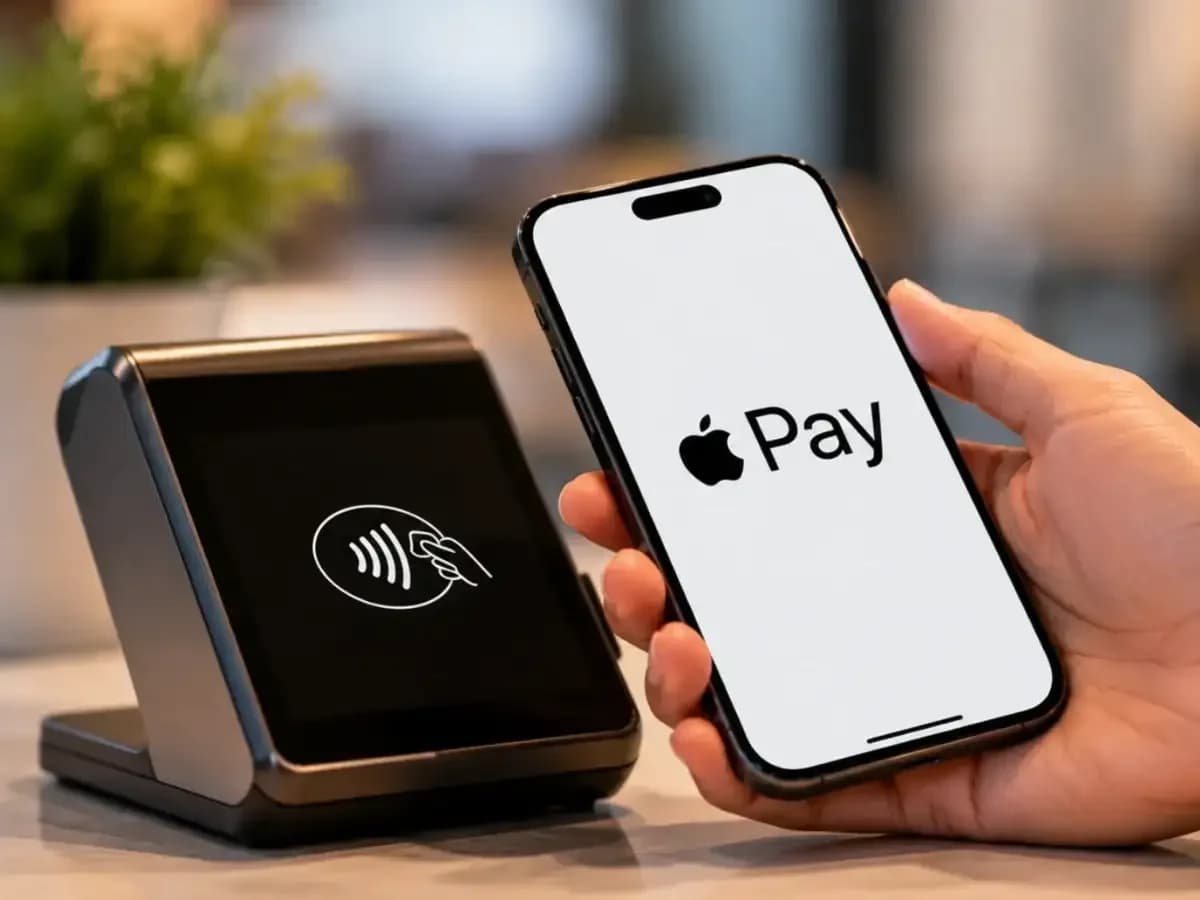
Global payments major Visa launched its Payment Passkey solution in India on Thursday, with IDFC First Bank becoming the first regulated entity to go live with the OTP-less authentication feature. According to Business Standard, the solution enables consumers to authenticate online card payments using capabilities already built into their mobile devices, including fingerprint, facial recognition, device PIN or pattern, instead of relying solely on OTPs. Suresh Sethi, Group Country Manager for India and South Asia of Visa, emphasized that authentication cannot remain dependent on passwords or one-time codes designed for an earlier digital era, stating it must become secured by design, invisible to the consumer, and resilient against increasingly sophisticated fraud. The technology is built on globally accepted FIDO standards and designed to strengthen protection against OTP phishing while making digital payments faster and more seamless. As per Business Standard, this move aligns with India's evolving digital payments landscape, emphasising trust alongside scale, and positions the nation for a future driven by AI-powered commerce.
India has achieved significant milestones in digital payments, becoming the world's most tokenised market for online card payments with more than 900 million payment tokens and almost 500 million Visa tokens, according to The Hindu BusinessLine, NDTV, and The Economic Times reports. Sethi highlighted that the country's digital payments ecosystem has evolved significantly and is now entering a new phase focused on trust and security. The RBI's progressive regulatory framework has played a very instrumental role in strengthening digital payment security, with tokenisation being a very powerful example that has enabled alternative mechanisms for additional factor authentication beyond one-time passwords. As reported by NDTV, the RBI's framework has created an opportunity to offer a faster and more secure payment experience, with the immediate benefit to India from cross-border UPI expansion being reduction in remittance costs for a nation that receives the highest amount of international remittances.
The Payment Passkey solution is available for select users of major merchants including Myntra, Paytm, MakeMyTrip, Tata Starbucks, Reliance Digital and EatSure operated by Rebel Foods, along with fintech partners Juspay, Wibmo, Razorpay, PayU, Pine Labs, BillDesk, M2P Fintech and Paytm Payments Services, according to Business Standard. The solution is expected to improve payment success rates and reduce the number of steps required to complete an online transaction compared with traditional OTP-based methods. Passkeys are expected to curb fraud arising from social engineering, while improving transaction success rates by 2-3 per cent by removing SMS-based authentication friction. Beyond fraud reduction, the friction caused by SMSes also leads to delays in processing transactions, which are eliminated when biometrics are used to authorise a payment. The technology is enabled through integration among card networks, issuers, payment aggregators and merchants, with the solution requiring a one-time setup and compatible with major operating systems and browsers.

According to Sethi's remarks reported by NDTV and The Economic Times, AI is rapidly transforming commerce with intelligent assistants, connected devices and embedded commerce expected to play larger roles in future transactions. He noted that artificial intelligence is today rapidly transforming how consumers discover, compare, and purchase products, with intelligent assistants increasingly participating in commerce and connected devices becoming active participants in transactions. Sethi emphasized that achieving India's potential to become the world's most trusted digital economy would require continued collaboration among regulators, banks, fintech firms, merchants and technology providers, with secure, seamless and resilient authentication becoming more important than ever as the digital payments ecosystem enters its trust-centric phase. The nation is building on its world-leading digital payments system to become a global tech creator and exporter, with 28 Migration and Mobility Partnership Agreements with 26 nations inked by External Affairs Minister S Jaishankar, emphasizing collective responsibility to curb illegal migration and human trafficking.