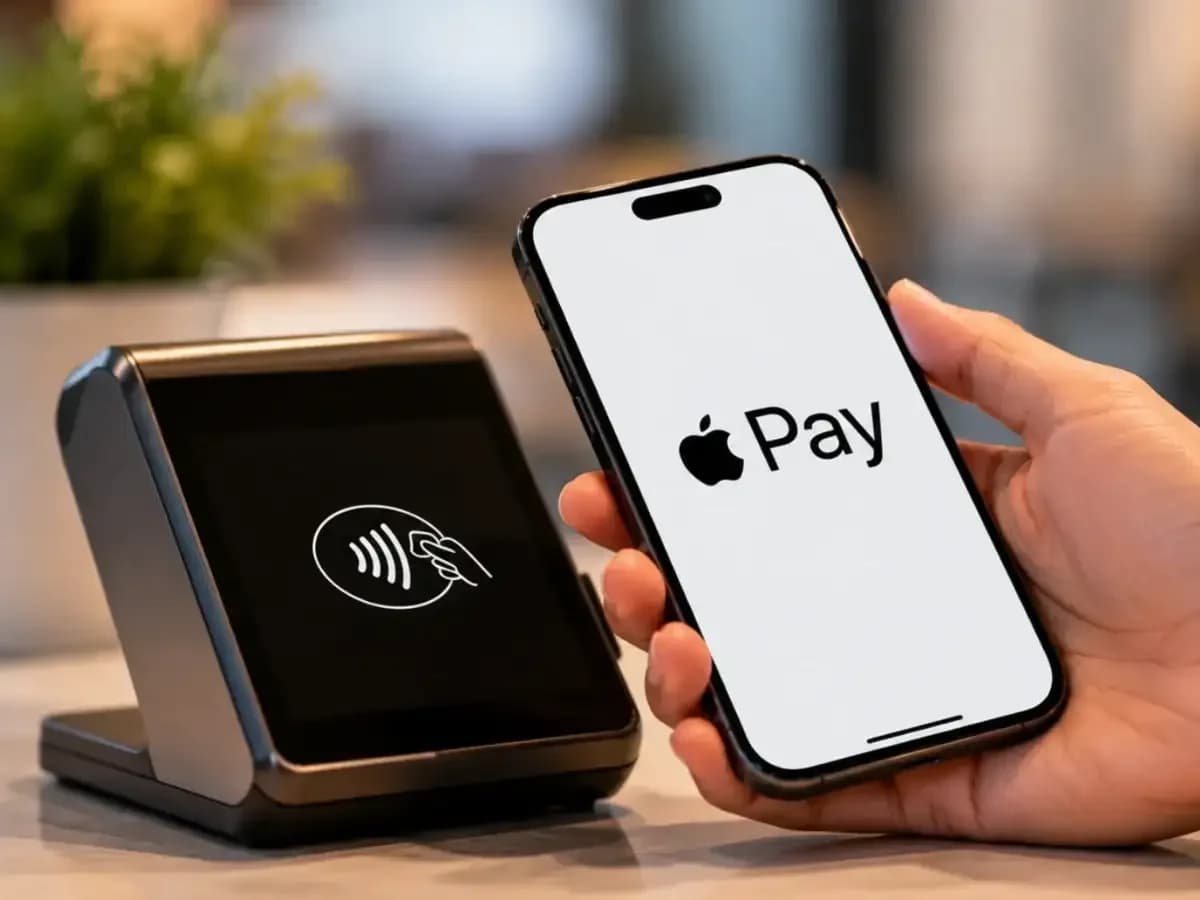
According to reports from Reuters, Apple is poised to launch Apple Pay in India next month with Axis Bank's credit cards, marking the US company's entry into one of the world's largest digital payment markets. The launch will begin with a single major banking partner, Mumbai-based Axis Bank, which is the fourth-largest credit card issuer in India with 16.26 million active credit cards as of July. As reported by Reuters, Apple Pay allows iPhone users to make tap-and-pay purchases using tokenised card details stored in their devices, without opening a separate payments app. According to latest reports from Mint, the service will enable users to make contactless payments at compatible terminals without the hassle of opening a separate app for payments.
According to sources familiar with the matter cited by Reuters, Apple Pay has been in discussions with Axis Bank's larger private sector rivals HDFC Bank and ICICI Bank but they are yet to agree commercial terms. All three sources spoke on condition of anonymity as the talks are private. Mint reports that Apple plans to add lenders over time through direct, bank-by-bank deals, mirroring phased rollouts in other markets. The service will enable biometric authentication for card payments using Face ID and Touch ID, following the Reserve Bank of India's decision last year to allow biometric authentication for card payments. The company reportedly plans to add more lenders over time through separate agreements with individual banks.
Once available, iPhone users would be able to make tap-and-pay purchases using tokenised versions of their card details stored on their devices. Users would be able to make contactless payments at compatible terminals without the hassle of opening a separate app for payments. As reported by Mint, the process of using Apple Pay in India is expected to be the same as in any other country. Any user would be able to authenticate a payment using their iPhone and tap system. The only difference would be that bank accounts won't directly get linked to Apple Pay as it is done in the case of UPI. Users would be required to add an eligible debit or credit card issued by a participating bank to the Apple Wallet, with Apple Pay storing tokenised card details on the device for payments.
Apple Pay comes with an increased level of security during payments, which sets it apart from traditional payment methods. Apple Pay creates tokenised card details in the device that replace credit card information for payments. The system creates a Device Account Number that is encrypted and stored in the Secure Element of the device. Upon payment, the token is used by the merchants to process the transaction, which means they will never have the direct access to the user's card details. This security architecture ensures that user data remains protected throughout the transaction process.
As reported by Reuters, Apple's share of India's smartphone market has doubled to 8% since 2022, establishing it as one of its largest markets according to Counterpoint Research. However, Apple Pay will join a crowded digital payments market dominated by the home-grown Unified Payments Interface, which makes up 84% of India's digital payments volume. The UPI system allows transfers via QR codes, phone numbers and tap and pay functionality, making it the dominant payment method in the Indian market. Apple Pay will differ from UPI in that it doesn't directly link bank accounts to the payment system, instead requiring users to add participating bank cards to the Apple Wallet. According to Business Standard, the service will initially support credit cards on global networks such as Visa and Mastercard, with UPI integration remaining a possible future addition.