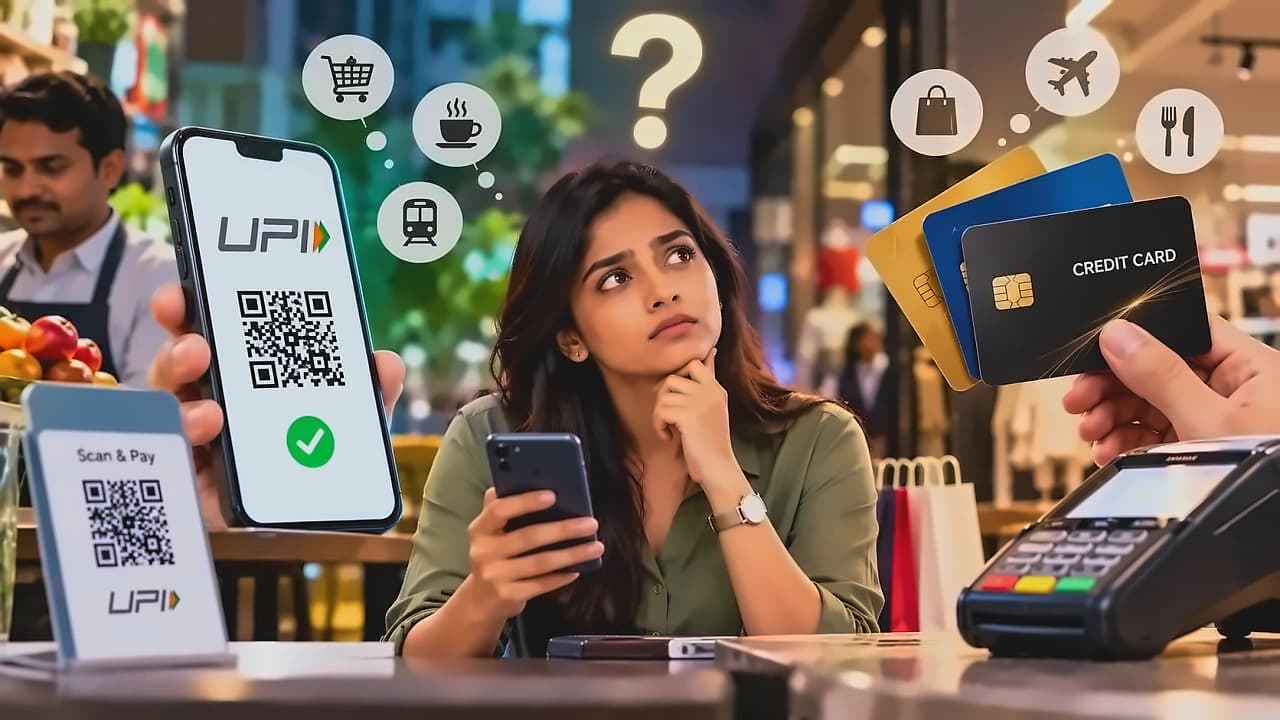
According to reports from Mint, UPI functions as a digital debit system that instantly deducts money from linked savings accounts, while credit cards provide a line of credit with repayment at a later date. As explained by Kaushik Chatterjee, Founder & CEO of LendingPlate, UPI allows users to spend directly from their existing bank balance, making it the more popular payment mode due to its free, seamless, and widely accessible nature. Credit cards, with penetration in India still at around 5%, remain a premium payment instrument available to a smaller segment seeking greater financial flexibility and rewards. Recent developments show that financial institutions are beginning to respond to the experience economy shift, with premium credit cards increasingly designed around travel, lifestyle and global mobility rather than simply retail transactions.
As reported by Mint, the fundamental difference between the two payment modes directly affects how users manage finances, debt and repayments. UPI permits users to spend within their available bank balance, while credit cards offer an interest-free period, allowing funds to earn interest in the account while spending. According to Subhankar Mishra, Interim Managing Director of Equifax India, disciplined credit card usage builds a strong credit history that helps secure loans in the future. Credit cards can help build credit history and boost future borrowing potential with timely repayments, unlike UPI which does not build a credit score. Recent research indicates that credit cards with scores above 700 typically qualify for premium products and pre-approved offers, while lower scores may limit access to better financial products. The experience economy has transformed how consumers organize their finances, with financial institutions increasingly rewarding spending intent rather than simply facilitating purchases.
According to Mint reports, UPI offers limited cashback and rewards, while credit cards provide reward points, cashback, travel benefits and purchasing power. As noted by Shakti Sekhawat, Business Head of Bharatloan, credit cards offer flexibility, rewards, and purchasing power when used responsibly. Credit cards are preferred for higher-value spends where rewards, credit and purchase protection add meaningful value, while UPI has become the default for daily transactions. Recent research indicates that credit cards with scores above 700 typically qualify for premium products and pre-approved offers, while lower scores may limit access to better financial products. The value proposition has shifted from transactions to participation, with consumers increasingly willing to pay for convenience and experiences that create memories rather than simply evaluating purchases by utility or resale value.

As reported by Mint, experts emphasize that credit cards should not be viewed as competitors to UPI but as complementary financial tools serving distinct objectives. Dr Raj P Narayanam, Executive Chairman of Zaggle, highlighted that the debate isn't UPI versus credit cards, as they serve different purposes. According to industry experts, consumers should choose payment modes based on requirements while maintaining financial discipline and ensuring timely repayments to avoid unnecessary debt. Both payment methods offer unique advantages - UPI for day-to-day spending and budget planning, and credit cards for financial flexibility, rewards, and credit history building when utilized effectively. Recent studies show that credit utilization below 30-40% and consistent payment history are key factors in maintaining good credit scores. The experience economy has made financial products that integrate into how people live, work and travel increasingly valuable, with products that reduce friction during travel or make lifestyle experiences more accessible carrying greater perceived value.