When choosing between UPI and credit cards, consumers should evaluate the overall value derived from each payment method rather than focusing solely on immediate transaction costs. According to The Times of India, the overall value of a transaction depends on several factors including the payment mode, transaction value, applicable MDR (if any), and value-back attached to the payment method. This becomes particularly relevant as UPI increasingly intersects with the credit card ecosystem through RuPay credit cards, creating new payment options for consumers. The payment landscape in India encompasses 14 different methods according to recent reports, highlighting the complexity of choice consumers face in selecting the most appropriate payment instrument for their needs.
Credit cards offer significant value advantages through cashback and rewards systems. As reported by The Times of India, consider a ₹50,000 transaction on a card offering 5% cashback - the consumer could potentially receive ₹2,500 back, subject to card terms and redemption value. Conversely, if the same amount is paid through UPI with a 0.4% MDR cost of ₹200, the transaction becomes more expensive without additional benefits. Credit cards can offer greater value through rewards and cashback without additional payment processing charges, but this benefit depends on paying bills in full and avoiding interest charges. The credit card market in India offers various options including standard cards, premium cards, and co-branded cards, each with different fee structures and reward programs that consumers must evaluate carefully.
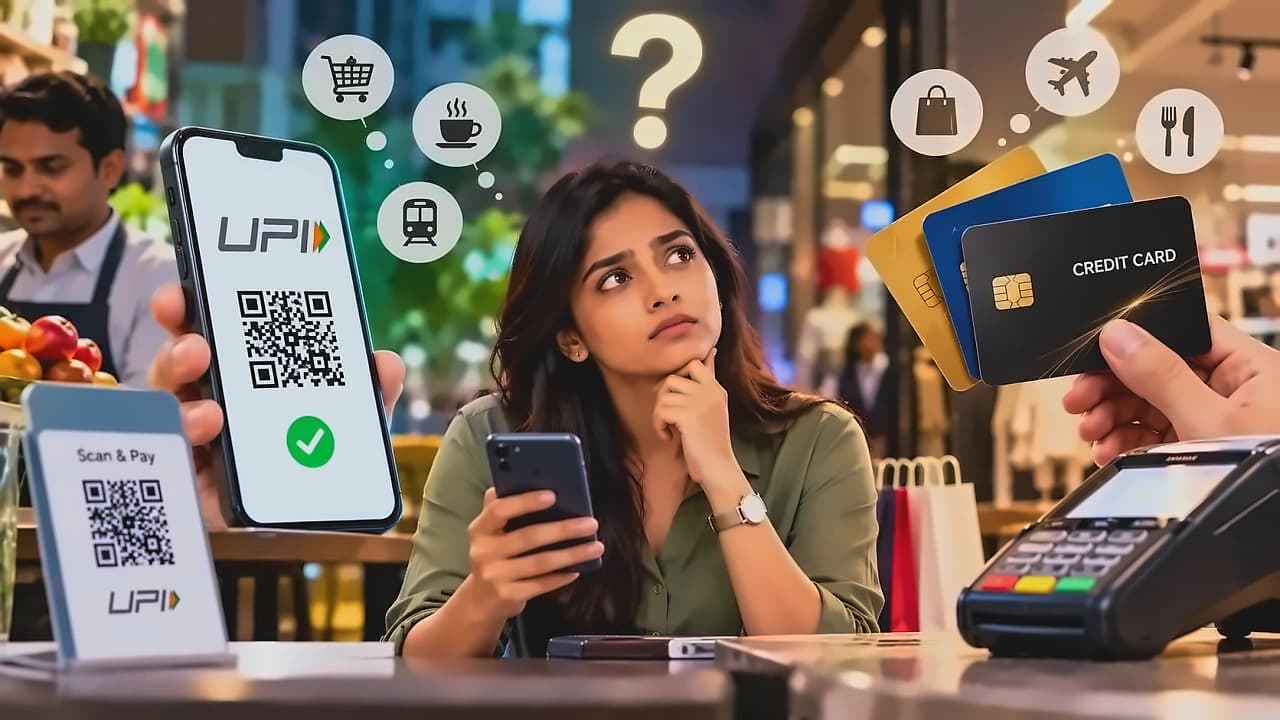
Transaction size alone does not determine the better choice - even small transactions can be more valuable through credit cards with meaningful rewards. According to The Times of India, small ₹500 transactions on credit cards could be more valuable than UPI if the card offers significant cashback or rewards on that category. Conversely, large ₹50,000 transactions may not justify credit card use if they fall outside reward categories or have exhausted monthly caps. Consumers should consider frequency of spending and cumulative rewards generated over time, as small individual transactions can add up to significant value when they form a large portion of monthly expenditure. The prepaid card option provides an alternative for consumers who prefer advance loading over direct bank account access, though it may carry higher merchant fees compared to debit cards.
The discussion around MDR on higher-value UPI transactions adds complexity to payment method comparisons. As reported by The Times of India, MDR represents a cost associated with accepting digital payments, and the impact on consumers depends on how the ecosystem responds. If merchants absorb additional costs, there may be little visible impact on consumers. However, if costs are reflected in pricing or additional charges, consumers may have to pay them as part of product costs. The extent to which merchants pass such costs on to consumers remains to be seen. Credit cards typically carry higher merchant fees than debit cards, which merchants may choose to absorb or pass on to consumers, affecting the overall cost-benefit analysis of different payment methods.
Ultimately, there is no single payment method that offers best value for every consumer or every transaction. According to The Times of India, the important shift is to consider the net economics of the payment and choose the payment instrument that delivers the most meaningful value for individual spending patterns. Credit cards offer value beyond immediate transactions through interest-free periods, EMI conversion options, and issuer-specific benefits, but these benefits only have value when relevant to the consumer. Paying annual fees for rarely used benefits does not make economic sense - consumers should evaluate payment methods based on their specific spending patterns and the net value they receive over time. The 14 payment methods available in India each serve different purposes and user needs, from basic cash transactions to sophisticated digital payment systems, making informed choice essential for optimal financial management.