Prime Minister Narendra Modi on Tuesday termed the Unified Payments Interface (UPI) a "major turning point" in India's digital payments journey as the platform completed 10 years since its launch. In an X post, the Prime Minister urged UPI users to share their experiences, stating "A decade ago, UPI was rolled out, marking a major turning point in India's digital payments journey. The sheer scale and reach of UPI are something every Indian must be proud of. Tell me about your UPI experience and how it impacted your life." The BHIM application was launched in December 2016, marking the official rollout of India's real-time payment system that has since transformed the country's financial landscape. UPI was launched on August 25, 2016, by the National Payments Corporation of India (NPCI) under the regulatory oversight of the Reserve Bank of India (RBI). A pilot-basis launch was held in April 2016 with 21 member banks, with the platform rolled out to the public in August as participating banks made their UPI-enabled mobile applications available on the Google Play Store.
The Unified Payments Interface (UPI) has completed 10 years of transforming India's payment landscape, with the finance ministry confirming that transaction value surged from ₹0.07 lakh crore in FY17 to approximately ₹314 lakh crore in FY26, representing a more than 4,000 fold increase. The annual transaction volume expanded from just 1.78 crore transactions in FY 2016-17 to over 24,162 crore transactions in FY 2025-26, translating into an almost 13,000 fold surge in transaction volume. This dramatic growth demonstrates UPI's emergence as one of the most successful pillars of India's Digital Public Infrastructure (DPI), providing an interoperable, real-time payments platform that enables seamless peer-to-peer and peer-to-merchant transactions through a single application. The finance ministry statement notes that UPI has emerged as a key pillar of India's digital public infrastructure, providing an interoperable, real-time platform for seamless peer-to-peer and peer-to-merchant payments through a single interface. UPI was developed by the National Payments Corporation of India (NPCI) under the regulatory oversight of the Reserve Bank of India (RBI).
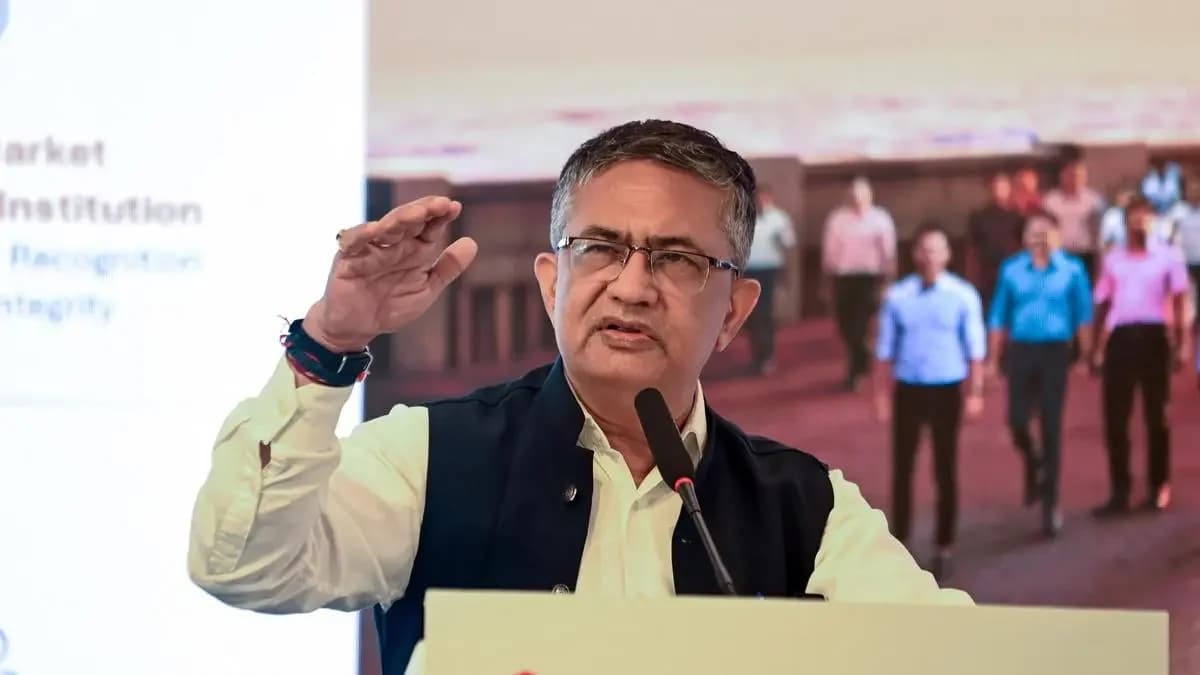
UPI has achieved unprecedented daily transaction volumes, with Punjab National Bank MD and CEO Ashok Chandra reporting that India recorded 23.66 billion UPI transactions worth ₹29.88 trillion last month, equivalent to nearly 763 million payments every single day. According to Chandra, "From bustling metro stations to village markets, UPI has quietly changed the way India pays, transacts, and trusts digital transactions." The increase in UPI transactions is now coming from Tier-2 and tier-3 towns, with rural India moving from occasional digital use to everyday reliance on UPI for groceries, tuition fees, milk delivery and temple donations. As Chandra noted, "This is financial inclusion happening in real time, not as a policy slogan but as lived reality." The finance ministry notes that UPI has become a dominant payments network in India, processing more than 66 crore transactions daily. The platform has also expanded its global footprint, with UPI currently operational in 11 countries including the UAE, France, Bhutan, Sri Lanka, Nepal, Singapore, Mauritius, Qatar, Greece and Maldives.
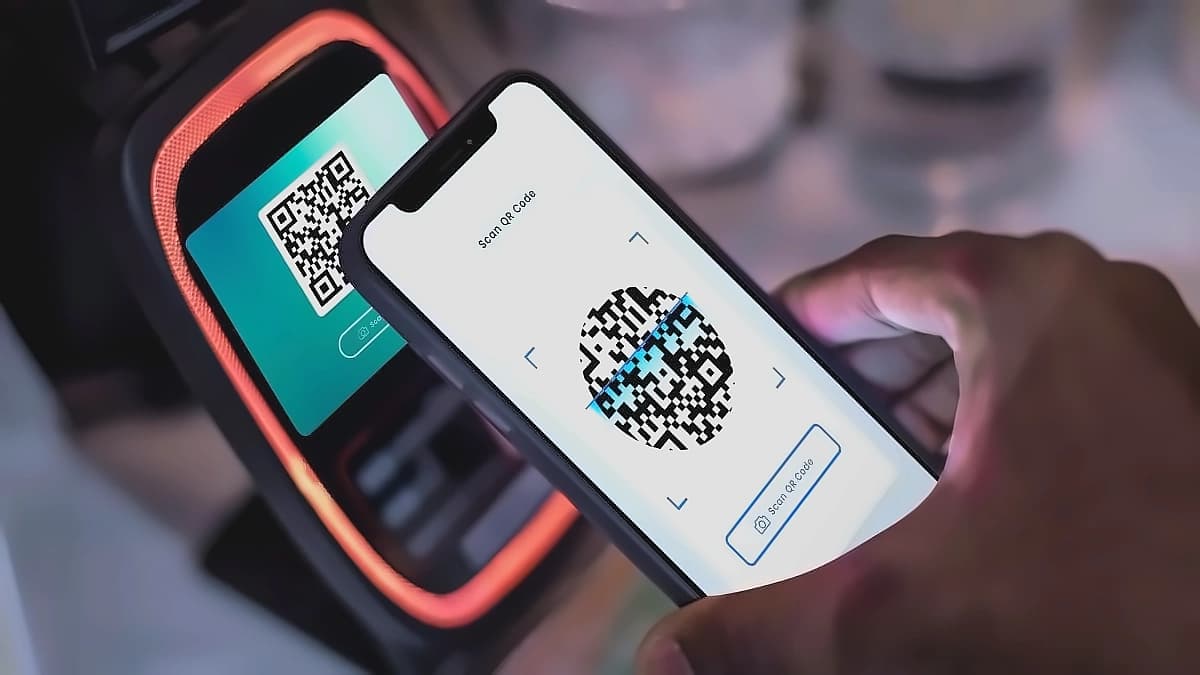
UPI has introduced significant security and convenience features over the past decade, with on-device authentication for UPI introduced in 2025, enabling payments through smartphone fingerprint or face unlock. The Aadhaar-based Face Authentication simplified UPI PIN onboarding, especially for first-time users, senior citizens and those without easy access to cards. The platform's network comprised 741 live banks as of the latest data, demonstrating its extensive reach across the financial ecosystem. UPI was developed by the National Payments Corporation of India (NPCI) under the regulatory oversight of the Reserve Bank of India (RBI). The architects built advanced capabilities into the core protocol while adopting a phased rollout, starting with basic peer-to-peer transfers before introducing features such as recurring mandates.
UPI's growth is increasingly being driven by everyday purchases rather than only large payments, with retail transactions now accounting for around 64% of UPI transaction volumes, compared with 57% a few years ago. The average retail UPI transaction size has declined from around ₹648 to approximately ₹424, indicating deeper penetration rather than weaker usage. UPI is increasingly used for routine purchases such as tea, local transport, groceries and other low-value transactions, showing that digital payments have become embedded in everyday consumption across a much wider section of the population. Person-to-merchant (P2M) transactions account for 63% of total transaction volume, while person-to-person (P2P) transactions dominate transaction value, contributing 71%, indicating their use for higher-ticket transfers between individuals. In the P2M category, over 86% of transactions happened in small-ticket payments, with 86% below ₹500. Finance Minister Nirmala Sitharaman confirmed that the burden of a merchant discount rate (MDR) will be on merchants only, not on customers, with the government tabling amendments to allow an MDR fee of 0.3-0.5% on UPI transactions under certain conditions. This move will benefit commercial banks and fintech companies while promoting infrastructure investments and innovation. The government amended the Payment and Settlement Systems Act (PSS Act), introducing MDR charges for merchants, with no charges for consumers making payments.