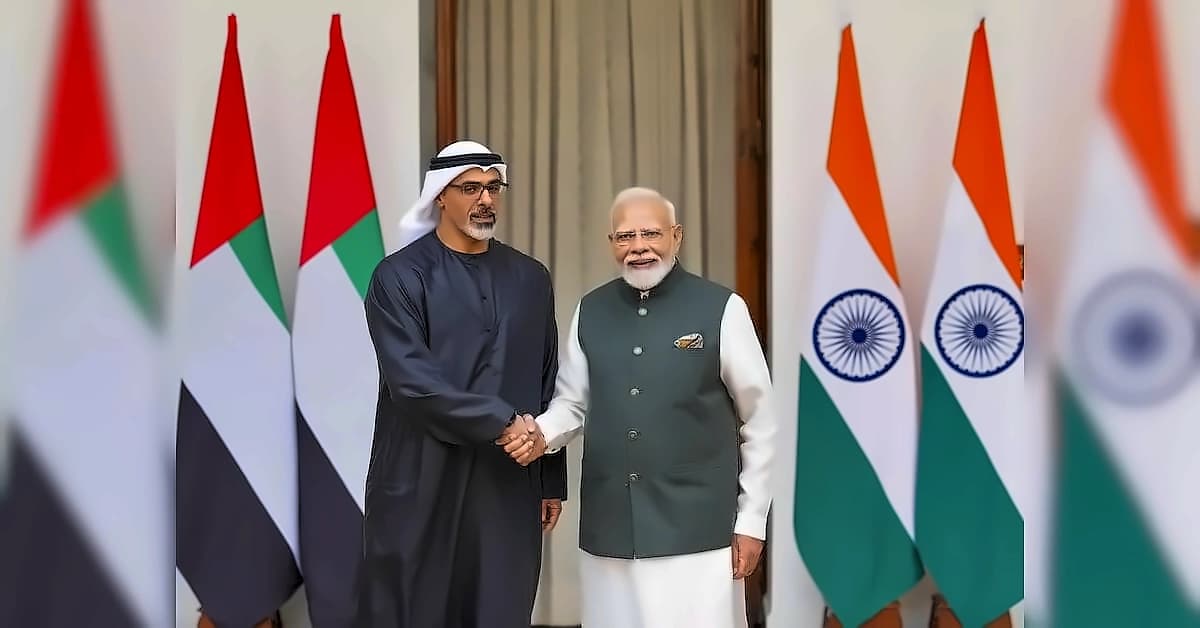
India and Cyprus have upgraded their bilateral relationship to a strategic partnership, marking a significant escalation in cooperation between the two nations. PM Narendra Modi announced during media briefings that the decision reflects growing trust and shared democratic values between the countries. "The relationship between India and Cyprus has stood the test of time. Today's decision to elevate our ties to a strategic partnership will give new momentum and new ambition to our relationship," PM Modi stated. Cyprus President Nikos Christodoulides described the partnership as one with "strategic depth and global relevance", particularly at a time of increasing geopolitical uncertainty. The Cypriot leader also backed stronger cooperation between India and the European Union and praised the India-Middle East-Europe Economic Corridor (IMEC), saying Cyprus was prepared to actively contribute to the ambitious connectivity initiative.
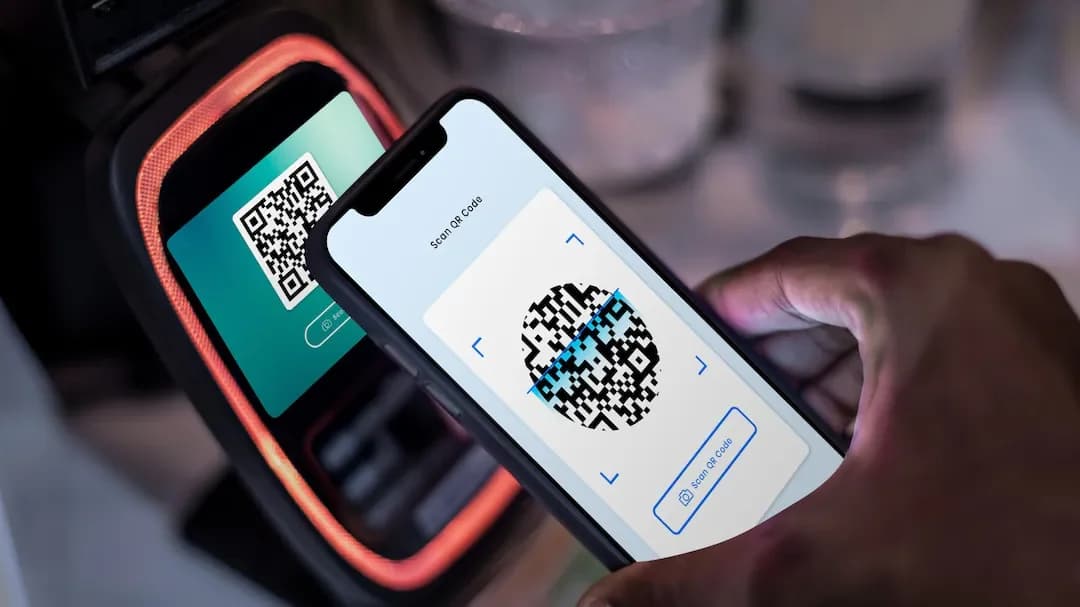
The strategic partnership aims to double bilateral investment again over the next five years, with Indian companies expected to explore opportunities in Cyprus's infrastructure, energy and agriculture sectors. Cyprus has emerged as a significant economic partner for India, with cumulative foreign direct investment inflows of nearly $16 billion since 2000, making it the ninth-largest source of foreign direct investment into India and the second-largest within the European Union after the Netherlands. According to the Ministry of External Affairs, Cypriot investments span sectors including services, software and hardware, automobiles, manufacturing, cargo handling, construction, shipping and pharmaceuticals. The growing economic partnership is expected to benefit from the upcoming UPI launch in the region, with the digital payments system set to ease transactions for tourists, students, and businesses while deepening fintech collaboration between the two countries.
Defence and maritime cooperation have emerged as key pillars of India-Cyprus engagement, with the Bilateral Defence Cooperation Programme 2026 signed in Nicosia to provide a structured framework for expanding defence ties between the two nations. The leaders unveiled a five-year roadmap for defence cooperation and agreed to strengthen coordination in cybersecurity, maritime security and counter-terrorism. One of the agreements signed during the visit includes the establishment of a joint working group on counter-terrorism. President Christodoulides, who is holding the presidency of the Council of the European Union, emphasized Cyprus's role as a reliable bridge connecting India and the EU and voiced strong support for the India-Middle East-Europe Economic Corridor (IMEC) during his visit. The visit also saw President Christodoulides pay homage to the victims of the 26/11 terrorist attacks at the Taj Palace Hotel in Mumbai, demonstrating the strong bilateral ties between the nations.
The India-Cyprus visit yielded several strategic partnerships beyond UPI implementation. A strategic MoU between NSE International Exchange and the Cyprus Stock Exchange was signed to enable cross and dual listings, while an MoU to establish a Chair of Indian Studies at the University of Nicosia was also agreed upon. Both sides agreed to work towards a comprehensive Joint Action Plan for 2025-29 to guide bilateral relations. Cyprus has announced the opening of a trade office in Mumbai and consistently supported India in the fight against cross-border terrorism. The leaders also unveiled a five-year roadmap for defence cooperation and agreed to strengthen coordination in cybersecurity, maritime security and counter-terrorism. Additionally, Cyprus announced plans to open a trade office in Mumbai as part of efforts to deepen economic engagement with India.
The Cyprus launch adds to UPI's growing international footprint across multiple continents. France became the first European country to accept UPI, with payments going live at the Eiffel Tower in February 2024, while the UAE has rolled out UPI acceptance across major merchant networks. Singapore linked UPI with PayNow in 2023 for cross-border remittances, and Sri Lanka, Mauritius, Nepal, Bhutan, and Oman also support UPI for merchant payments. India's UPI digital payment system is expected to become operational in Cyprus from 2027, as confirmed by MEA Secretary (West) Sibi George during media briefings. NIPL has signed MoUs with Peru, Namibia, and Trinidad & Tobago to help develop UPI-like real-time payment systems, demonstrating the system's global adoption and India's leadership in digital payments innovation.