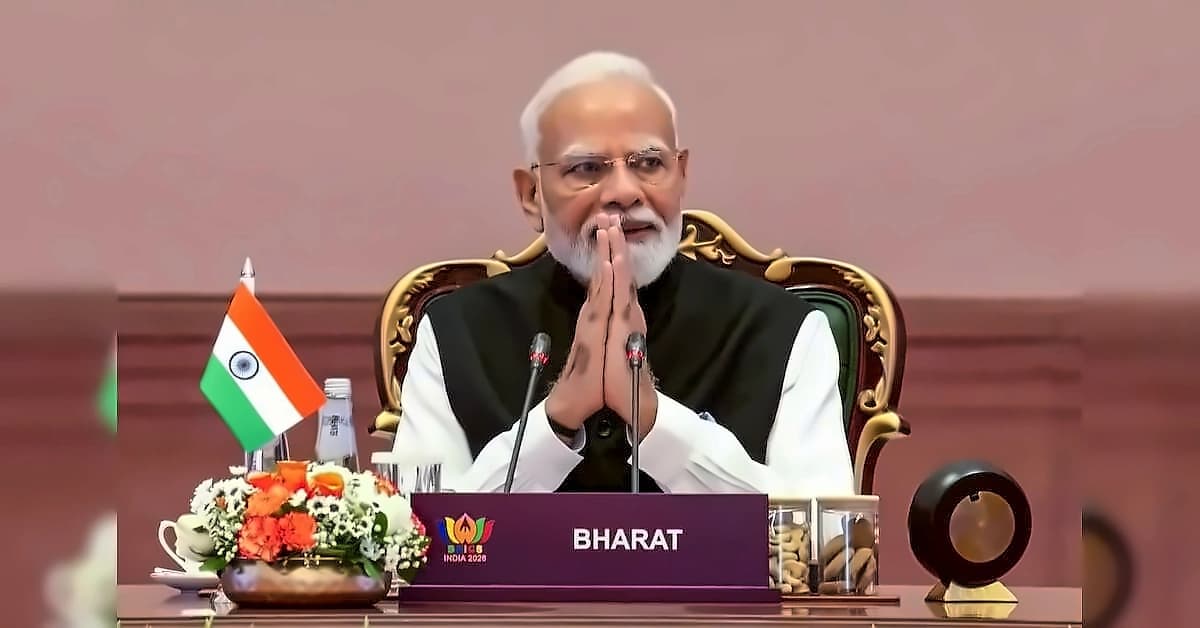
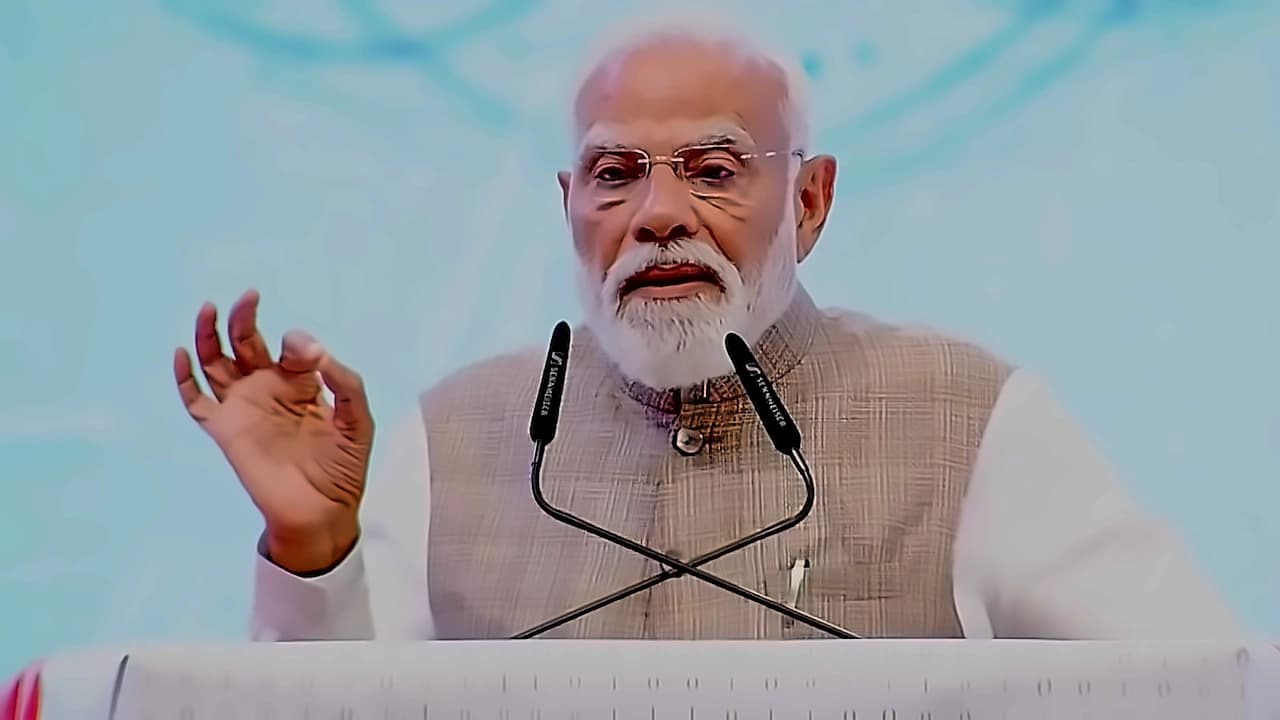
Prime Minister Narendra Modi held extensive meetings with global leaders ahead of the 18th BRICS Summit starting Saturday in New Delhi. According to the Indian Foreign Ministry, Modi met with Malaysian Prime Minister Anwar Ibrahim to review bilateral cooperation across trade, investment, defence, semiconductors, infrastructure, digital economy, energy, fintech, education, tourism and people-to-people ties. The leaders also exchanged views on regional and global issues of mutual interest. Modi also held talks with Ethiopian Premier Abiy Ahmed to discuss strengthening their bilateral strategic partnership and review progress across key sectors including economy, defence, and security. Additionally, Modi met with Vietnamese counterpart Le Minh Hung to review progress in bilateral ties and exchange views on regional and global issues of mutual importance.
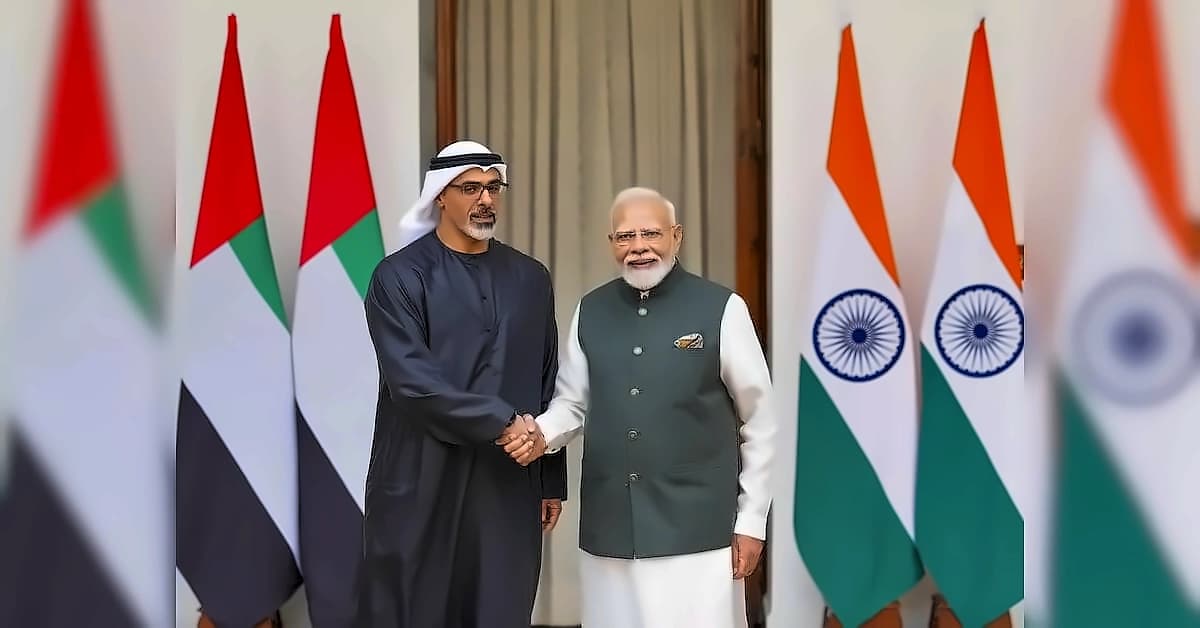
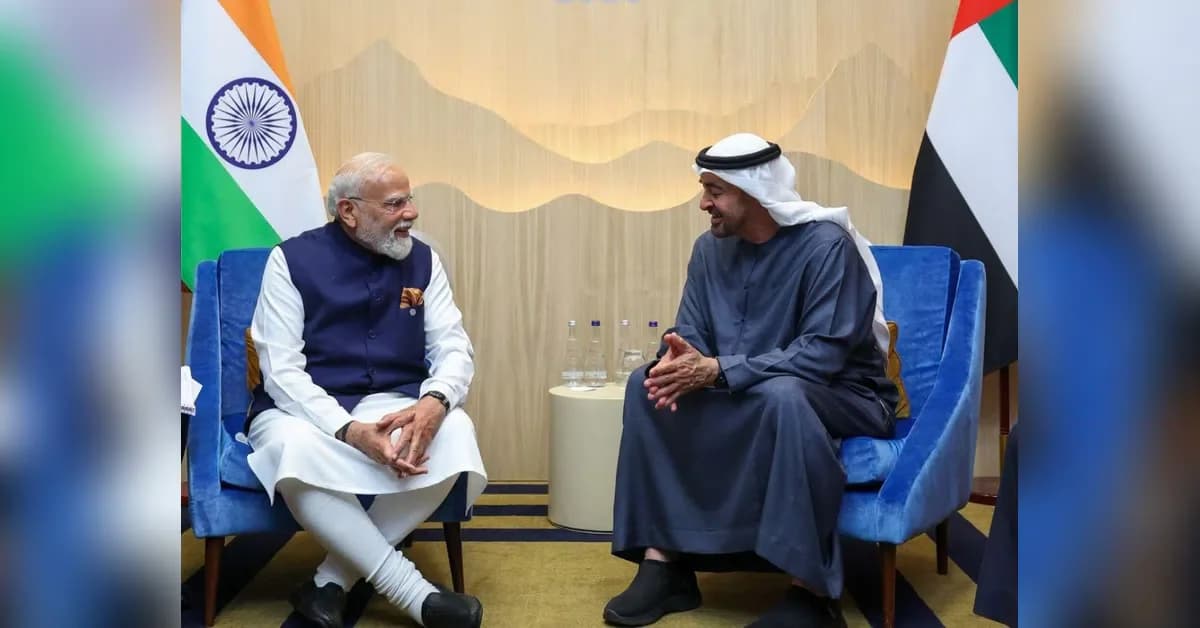
Prime Minister Narendra Modi and Abu Dhabi Crown Prince Sheikh Khaled bin Mohamed bin Zayed Al Nahyan met at Hyderabad House on the sidelines of the 18th BRICS Summit to review the trajectory of bilateral relations between India and the United Arab Emirates. According to reports from Business Standard, the meeting came against the backdrop of sudden spike in tensions amid the West Asia conflict. Modi emphasized that 'Discussed taking our Strategic Partnership forward across defence, AI, space, critical minerals, energy, food security and connectivity' as reported in his social media post. The leaders reiterated the significance of the India-UAE Comprehensive Strategic Partnership, which is built on strong political, cultural, commercial, energy, and people-to-people relations, according to an official release. Modi noted that 'India-UAE ties have been transformed over the last few years. Now, we are raising our ambitions even higher' and highlighted that the discussion covered matters like the India-Middle East-Europe Economic Corridor project. The two leaders also welcomed the UAE's active and constructive participation in BRICS under India's chairship and agreed to continue working closely through the platform to advance shared interests and priorities.
The two leaders discussed ramping up investments by Emirati entities, including the new sovereign fund L'Imad. As reported by the Ministry of External Affairs (MEA), they acknowledged the role that L'Imad, the UAE's newest sovereign investment fund, can play in deepening the bilateral partnership. Additionally, the UAE's International Holding Company (IHC) announced a significant investment commitment of $11.5 billion in an integrated greenfield aluminium project in Odisha. According to the MEA, the project is expected to position Odisha as a global aluminium manufacturing hub and is India's largest integrated aluminium investment. The project aims to support the state's emergence as a global aluminium manufacturing hub and provide employment opportunities to a large number of industrial workers. Modi noted that 'From investments ties to new possibilities in strategic energy infrastructure and IMEC connectivity, there is immense potential ahead' as reported in his social media post.
The two leaders discussed opportunities to enhance cooperation between the two countries in strategic and emerging areas, including defence, space, nuclear energy, technology and innovation. According to the MEA, they also noted the announcement by UAE's International Holding Company (IHC) to invest $11.5 billion in an integrated greenfield aluminium project in Odisha. International Resources Holding, an IHC group company, and Adani Enterprises Limited signed the initial pact with Odisha state government in July for the aluminium project. The leaders also explored new possibilities in strategic energy infrastructure and IMEC connectivity, with particular emphasis on the potential role of L'Imad in further deepening investment and economic cooperation. Modi highlighted that 'India-UAE ties have been transformed over the last few years, they are raising their ambitions even higher' as reported in his social media post.
The meeting followed high-level visits by both sides earlier this year. UAE President Sheikh Mohamed bin Zayed Al Nahyan visited India in January, while Modi travelled to the UAE in May. During the latest meeting, Sheikh Khaled conveyed the UAE president's greetings to Modi, who reciprocated with greetings for Sheikh Mohamed. The talks reaffirmed the tradition of regular leadership-level engagement between India and the UAE as the two countries seek to broaden their strategic partnership and strengthen cooperation in trade, investment, technology and other priority areas. Modi noted that 'India appreciated UAE's active and constructive participation in BRICS under its Chairship as the leaders welcomed the positive outcomes within BRICS during India's Chairship'. The visit of Sheikh Khaled, the Crown Prince of Abu Dhabi and the chairman of the Abu Dhabi Executive Council, has been seen as a tactical move by the UAE amid the conflict in West Asia, in which the Gulf country and fellow BRICS member Iran have found themselves on opposing sides.
The leaders welcomed the outcomes of India's BRICS chairship and agreed to continue working closely through the grouping to advance shared priorities and strengthen cooperation. According to the MEA, both sides also reviewed progress in bilateral economic ties, including cooperation under the India-UAE Comprehensive Economic Partnership Agreement (CEPA). Modi highlighted the strategic importance of India-UAE relations during uncertain times in West Asia, stating that 'At a time of uncertainty in West Asia, a strong India-UAE is a symbol of stability, prosperity and peace'. The meeting underscores the continued strengthening of bilateral ties between the two nations despite regional tensions, with the talks reaffirming the tradition of regular leadership-level engagement. Modi expressed appreciation for Ethiopia's participation in the 18th BRICS Summit and noted that its presence helped reinforce the collective voice of the Global South.