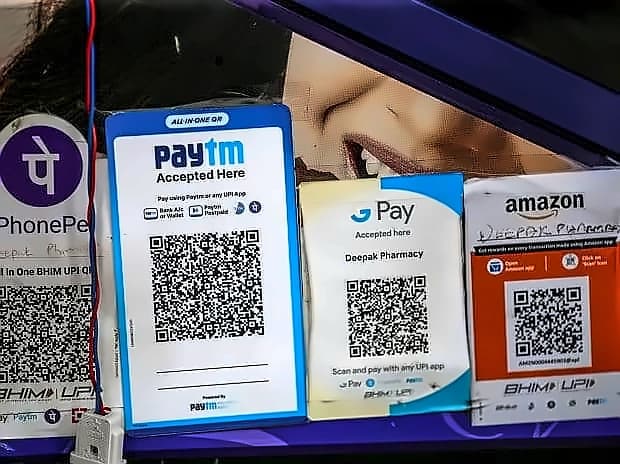
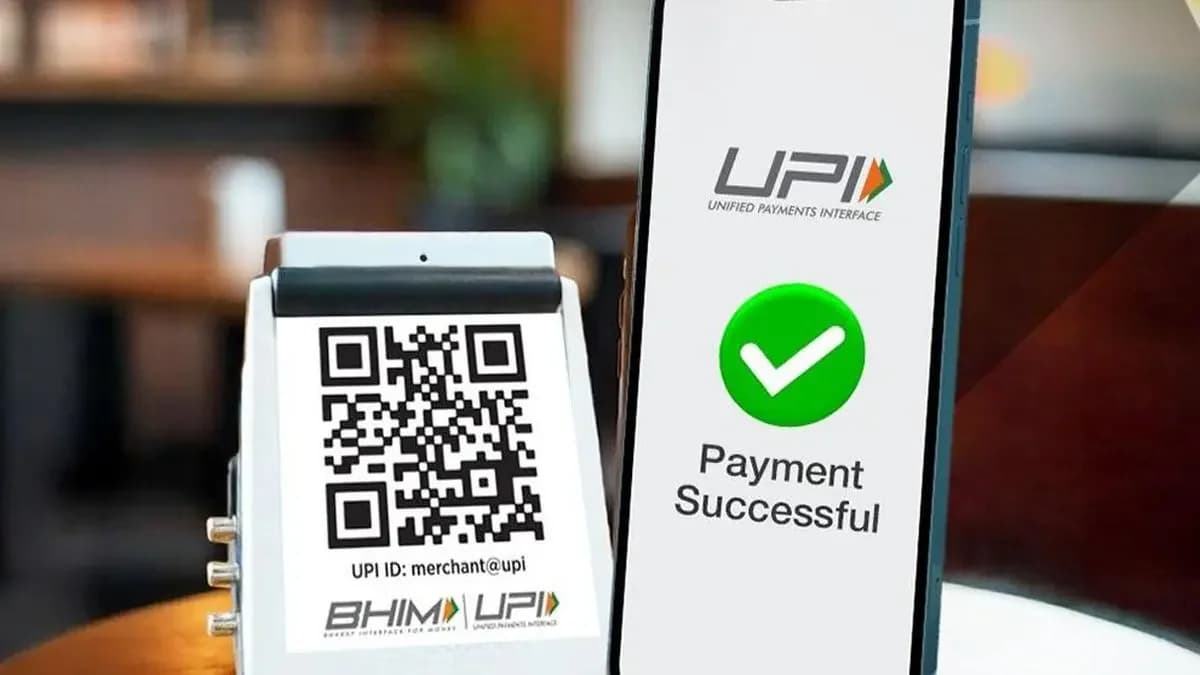
UPI applications are facing significant financial challenges following the National Payments Corporation of India's (NPCI) decision to ban platform fees for bill payments processed through the Bharat Bill Payment System. According to reports from Business Standard, UPI apps have traditionally charged ₹3-5 platform fees on bill payments such as electricity, water, gas and credit card bills processed through the Bharat Connect platform. However, NPCI's new merchant discount rate (MDR) framework, set to take effect on October 15, removes this option entirely, stating that "UPI applications are explicitly restricted from levying platform fees on UPI transactions."
Under the revised framework, bill payments above ₹2,000 carry a flat MDR of 0.4%, with a maximum fee of ₹300 on transactions exceeding ₹75,000. As reported by Reuters, the new structure includes carve-outs for payments to small merchants and those operating in rural or semi-urban areas, along with lower charges for widely used categories such as telecom, railways and mutual fund investments. Bill payments of ₹2,000 or less carry no MDR, meaning apps earn nothing on these transactions. A senior fintech executive noted that "third-party UPI apps are going to have a problem processing bill payments through UPI. Since platform fees are banned, they cannot charge any fee to the customer directly. They already have to pay commission to BBPS which is higher than what they get through UPI MDR."
Industry sources indicate that once commissions and processing costs are accounted for, apps will spend more on each bill payment than they earn from it. According to Business Standard, UPI apps are hoping to offset losses on bill payments to their share of the 0.4% MDR on other person-to-merchant (P2M) payments above ₹2,000. The platform fee ban covers all UPI payments, so apps cannot charge users even on bills of ₹2,000 or less, which carry no MDR. However, the government has clarified that the MDR is not a tax or charge collected by the government or NPCI, with the money distributed among payment system providers to support operations and continued expansion.
The objection was raised during the National Payments Corporation of India's (NPCI) UPI Services and Steering Committee meeting on Tuesday, according to a person with knowledge of the matter, as reported by Business Standard. The decision affects third-party UPI apps that have relied on platform fees as a revenue source for processing bill payments through the Bharat Bill Payment System. Industry experts are divided on the impact, with some arguing that fees are needed to fund the payments system. As Bipin Preet Singh, CEO of fintech firm MobiKwik, noted, "When government funds the subsidies paid for UPI, that amount comes from tax payers' pocket. Moving to market-linked pricing mechanism removes this tax burden and directly links the cost to large businesses which benefit from UPI." However, opposition leader Rahul Gandhi has criticised the government's decision, saying the fees will swell the burden for consumers as merchants pass on the cost.
Despite the fee concerns, UPI has demonstrated remarkable growth since its launch in 2016. In August, UPI processed a record 24.51 billion transactions worth ₹29.82 trillion (roughly $311 billion), according to NPCI data. UPI holds a 84% share in India's digital payments by volume and a 49% share of global real-time payment volumes, as reported by the government. However, the new MDR structure has sparked debate about its impact on business adoption. Social media users have voiced concern that the change could prompt merchants to prefer cash payments, questioning the rationale for levying charges on "digital public infrastructure." The Retailers Association of India (RAI) has warned that the charge could "undo years of progress in digital payment adoption among India's smallest retailers," with CEO Kumar Rajagopalan explaining that "during the festive season, a large share of transactions crosses the 2,000 rupees mark, and the moment a fee attaches itself to digital payment, cash becomes the path of least resistance."