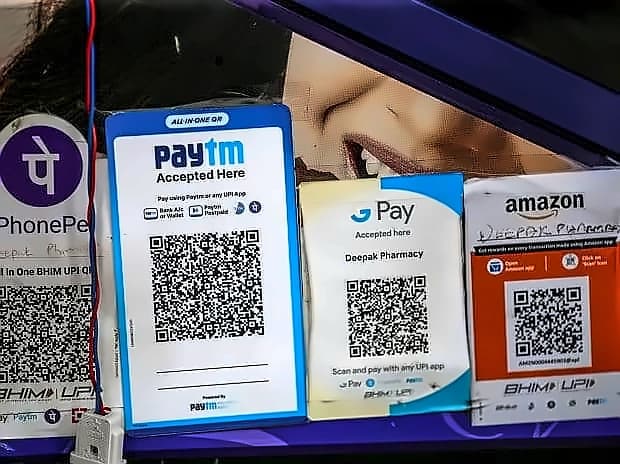
India's United Payments Interface (UPI) is set to introduce merchant fees after six years of being free for all participants, according to Reuters reports. For the first time since its launch, merchants will begin paying fees for UPI transactions, marking a significant shift in the payment ecosystem that has dominated India's digital payments landscape. This development comes as the country continues to expand its digital payment infrastructure and explore integration with emerging financial technologies. The latest data shows UPI processed 2,264 crore transactions worth ₹29.53 lakh crore in March 2026, demonstrating the system's continued growth and importance in India's digital economy.
Coinbase India is preparing to upgrade its payment rails in the country, according to John O'Loghlen, Coinbase's regional managing director. As reported by Mint, while he did not name UPI directly, he described the upcoming upgrade as involving 'one of the leading payment technologies in India, pioneered by the government'. The upgrade will make it 'very easy to move money in and out of your account', significantly improving the user experience for Indian crypto users. This infrastructure upgrade comes as the broader payment ecosystem evolves to accommodate both traditional and digital asset transactions.
Coinbase India already offers comprehensive payment services for Indian users, as reported by Mint. Users can 'cash out of your crypto into Indian rupees' and 'top up to buy digital assets with Indian rupees'. Additionally, users can move digital assets from another exchange or wallet into their Coinbase India account, subject to compliance requirements. This existing infrastructure forms the foundation for the planned payment rail upgrades and positions Coinbase to capitalize on the evolving UPI landscape.
The practical applications of digital assets have evolved significantly over the past 24 months, with stablecoins enabling payments and transfers in a 'real-time, low-cost' environment, according to O'Loghlen's statements to Mint. Businesses can use stablecoins to move money globally 'atomically, programmatically', creating new opportunities for blockchain-based financial products. This development positions stablecoins as a key bridge between traditional payment systems like UPI and emerging digital asset use cases, with recent developments showing major financial institutions like U.S. Bank and Visa actively testing stablecoin applications for cross-border transactions.
Tokenisation represents another major development that could integrate with India's payment infrastructure, as explained by O'Loghlen to Mint. Tokenisation can bring 'faster settlement times, lower transaction costs, 24-7 trading' for stocks, ETFs and other financial assets on blockchain networks. This technology could eventually create a broader financial ecosystem where UPI handles the movement of rupees while blockchain rails handle digital assets and tokenised financial products. The central question for crypto in India is increasingly shifting from 'How do I buy Bitcoin?' to 'How seamlessly can India's payment infrastructure connect my rupees to the digital-asset economy?' With UPI's recent fee introduction and the growing adoption of stablecoins, this integration becomes increasingly relevant for India's financial technology landscape.