India has implemented significant changes to its payment regulations, with the government publishing a gazette notification on September 14, 2026 to amend the Payment And Settlement Systems Act, 2007. According to reports from The Hindu BusinessLine, this notification specifically prohibits banks and payment service providers from imposing charges on digital payment transactions through the Unified Payments Interface (UPI) and RuPay-powered debit cards. The regulatory change comes as authorities address growing concerns about unregulated loan apps targeting vulnerable workers with real bank transfers. The amendment Bill was passed by Parliament during the Monsoon Session which concluded on August 13, 2026, with the government stating that the UPI and Services Steering Committee, headed by the National Payments Corporation of India (NPCI), would decide on Merchant Discount Rate (MDR) rates.
The new regulations establish a ₹2,000 ($20.93) threshold for transactions that will be exempt from bank charges. As reported by The Hindu BusinessLine, electronic payment modes including UPI transactions and RuPay-powered debit cards are now classified as free digital payment options for transactions up to this amount. However, the government has not specified whether charges would be applicable to transactions above ₹2,000, to be paid by merchants. This threshold applies to both direct and indirect charges that banks or system providers may typically impose on digital payment users. The notification follows an amendment to section 10 A of the Payment and Settlement Systems Act, 2007, which provides an enabling framework for imposing MDR on payments through UPI and other notified electronic payment modes.
The regulatory change has significantly impacted payment sector stocks, with shares of One97 Communications, the parent of payment system provider Paytm, falling as much as 3.29% to an intraday low of ₹1,748. As of 2:07 pm, Paytm shares traded 3.22% lower at ₹1,749, underperforming the NIFTY Midcap 50 index which was down 1.3%. The government's rationale for imposing charges on transactions above ₹2,000 includes the need for significant and continuous upgrades in cybersecurity, fraud prevention, and infrastructure due to exponential transaction volumes. The government stated that charges were required for market expansion and self sustainability, emphasizing the necessity to increase competition by encouraging more companies to expand their operations through a self-sustaining revenue model.
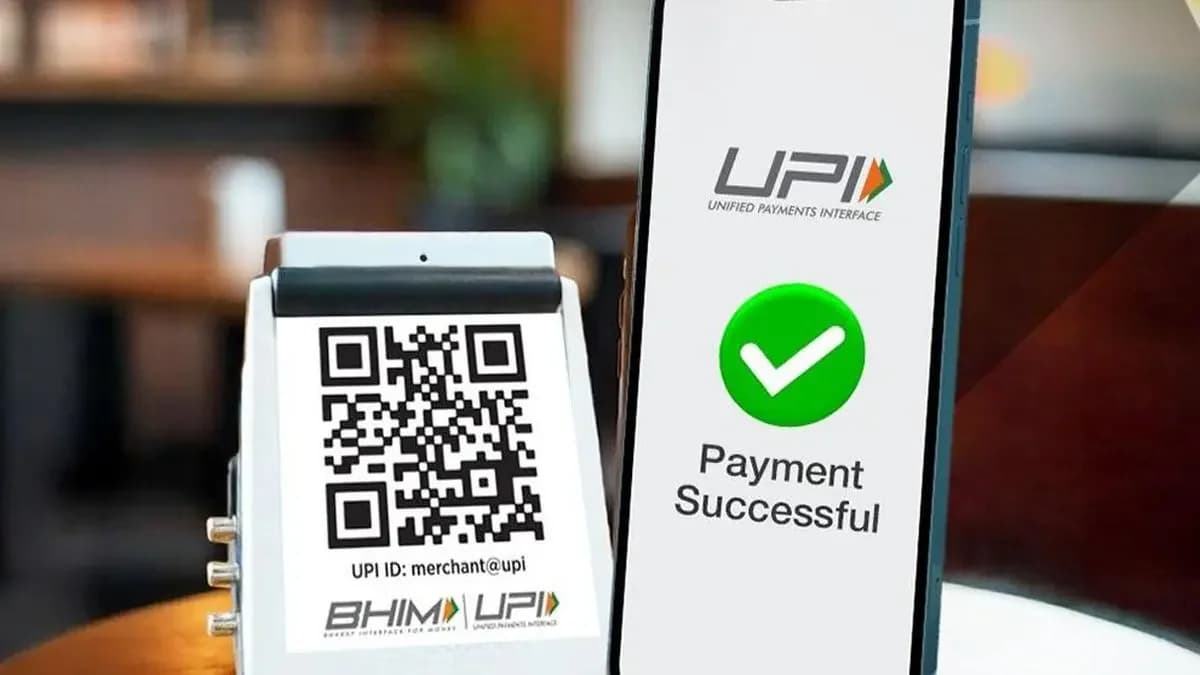
Recent investigations by The New Indian Express reveal a concerning trend where unregulated loan apps are using real bank credits as opening moves before demanding much larger repayments. In one reported case involving apps identified as Rupeeline and Rupeelaon, ₹2,400 reached a user's account even though the user had not approved a loan, with the user later paying ₹9,500. This fraudulent scheme exploits workers' urgent need for cash by using genuine bank transfers to appear legitimate, creating additional pressure through threats and misuse of personal information. The government has already taken action, with MeitY blocking 87 illegal loan-lending applications on July 21, 2026, under Section 69A of the Information Technology Act, 2000.
UPI, launched on August 25, 2016, has transformed India's digital payments landscape with transaction value surging from ₹0.07 lakh crore in FY17 to around ₹314 lakh crore in FY26, representing a more than 4,000-fold increase over the decade. As per the latest data, UPI is now accepted in 11 countries, with Uzbekistan being the latest entry. The system is operated by the National Payments Corporation of India (NPCI), an initiative of the Reserve Bank of India (RBI) and the Indian Banks' Association, and enables real-time payments between individuals and direct merchant payments. The regulatory change aims to ensure free digital transactions for smaller value payments, making digital payment options more accessible to users while addressing concerns about unregulated loan apps exploiting the system.