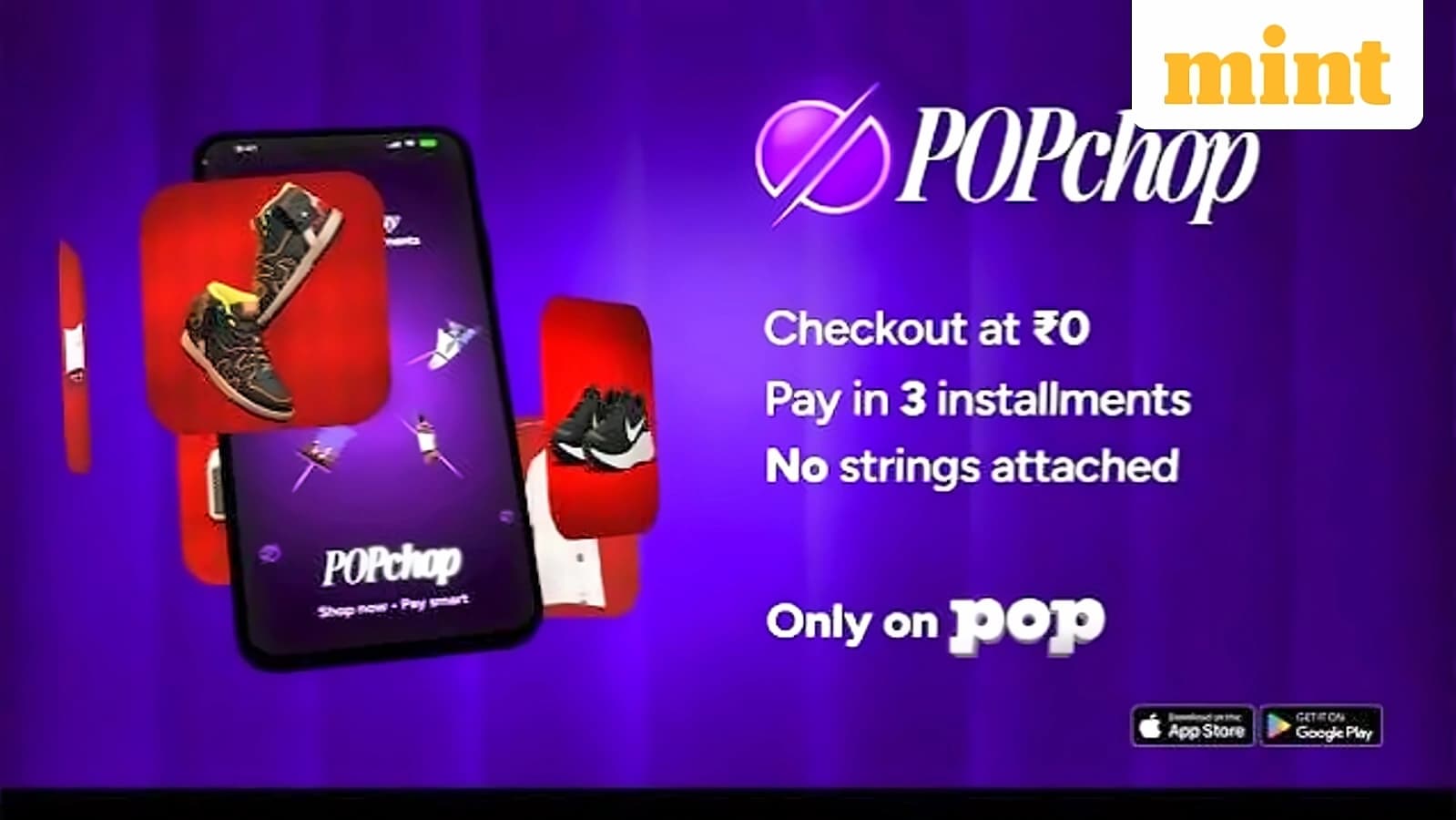
According to reports from The Economic Times, Razorpay-backed consumer fintech platform POP has launched POPchop, a buy-now-pay-later product that allows eligible customers to split purchases made on its POPShop platform into three interest-free payments over three months. The product has already demonstrated strong early adoption, with POPchop accounting for 10-12% of orders on POPShop despite being in a limited rollout and without external marketing. More than half of its early users are accessing formal credit for the first time, indicating significant market penetration into new credit segments. As reported by The Economic Times, POP founder Bhargav Errangi explained that "UPI gives us a frequent relationship with the customer, while commerce shows us how that customer shops and uses rewards. Credit is the next extension of that journey."
As reported by The Economic Times, this launch marks POP's expansion from UPI payments, rewards and commerce into consumer credit. The product is offered through partnerships with regulated lenders, including PayU Finance India and LazyPay, with lending partners determining customer eligibility and credit limits based on their underwriting criteria. POP founder Bhargav Errangi noted that "For many young consumers, the need is not a large personal loan but the ability to manage the timing of selected purchases against their monthly cash flow." The move comes as consumer fintech platforms look to monetise large customer bases built through UPI, where transaction volumes are high but direct monetisation for third-party apps remains limited. Several platforms have expanded into adjacent businesses such as credit, wealth management and commerce to generate additional revenue streams.
According to The Economic Times, POP reported that about 60% of early POPchop users returned to place another order in the following month, demonstrating strong customer retention. The company also reported 94% UPI retention among customers who have used POPchop, though it has not provided a comparable figure for users who have not used the credit facility. POP has not disclosed approval rates, average credit limits, or the average value of purchases financed through POPchop, with plans to add more lending partners as the product expands. The performance of POPchop will depend on whether customers continue to use the facility and maintain repayment discipline as the initial rollout expands, particularly because more than half of its early users are new to formal credit.
As reported by The Economic Times, the move comes as consumer fintech platforms look to monetise large customer bases built through UPI, where transaction volumes are high but direct monetisation for third-party apps remains limited. According to TransUnion CIBIL, the share of India's credit-eligible population that had accessed retail credit at least once rose to 74% in March 2026 from 35% in March 2017. Consumer durable loans accounted for about 46% of consumption-related loan originations among first-time borrowers in the first quarter of the current financial year, while personal loans accounted for another 18%. Consumption-linked borrowing is also emerging as an entry point into formal credit, with smaller-ticket borrowing gaining ground within unsecured credit. The share of open credit cards among India's unsecured credit products fell to 38% in 2026 from 56% in 2016, according to TransUnion CIBIL, while loans of up to ₹50,000 increased their share.
According to The Economic Times, POP was founded in 2023 by former Flipkart executive Bhargav Errangi and competes with consumer fintech platforms including CRED, Navi and super.money. Razorpay invested $30 million, or about ₹259 crore, for a majority stake in POP in June 2025. The company had previously raised capital from India Quotient, Unilever Ventures, Incubate Fund and Nuventures. Repayment performance will be a key metric as the product scales, particularly because more than half of its early users are new to formal credit. POP's initial proposition was built around UPI transactions, with customers earning POPcoins that could be redeemed on its shopping platform, and POPchop brings credit into the same ecosystem, allowing customers to finance purchases without moving to a separate lending service.