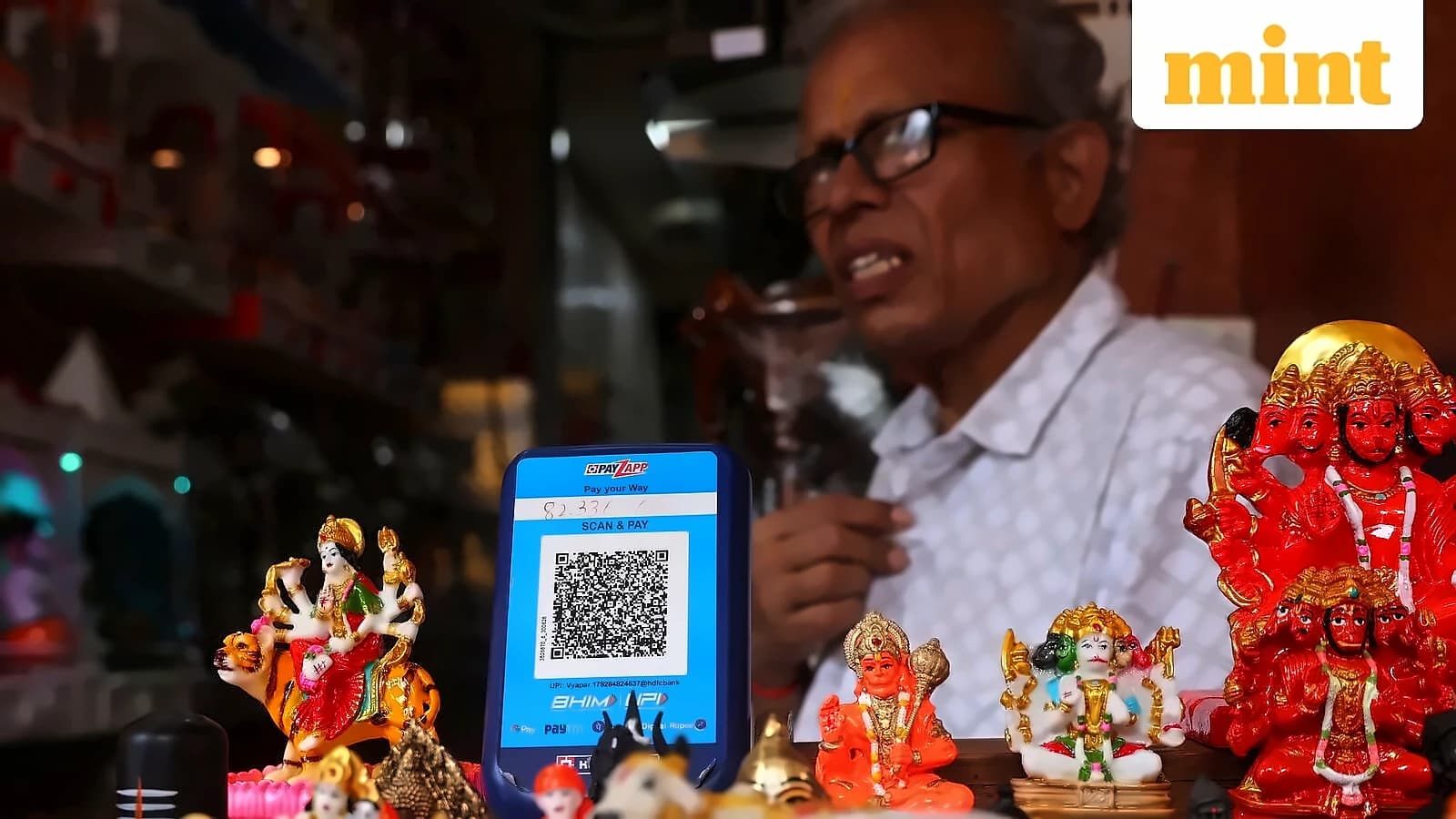
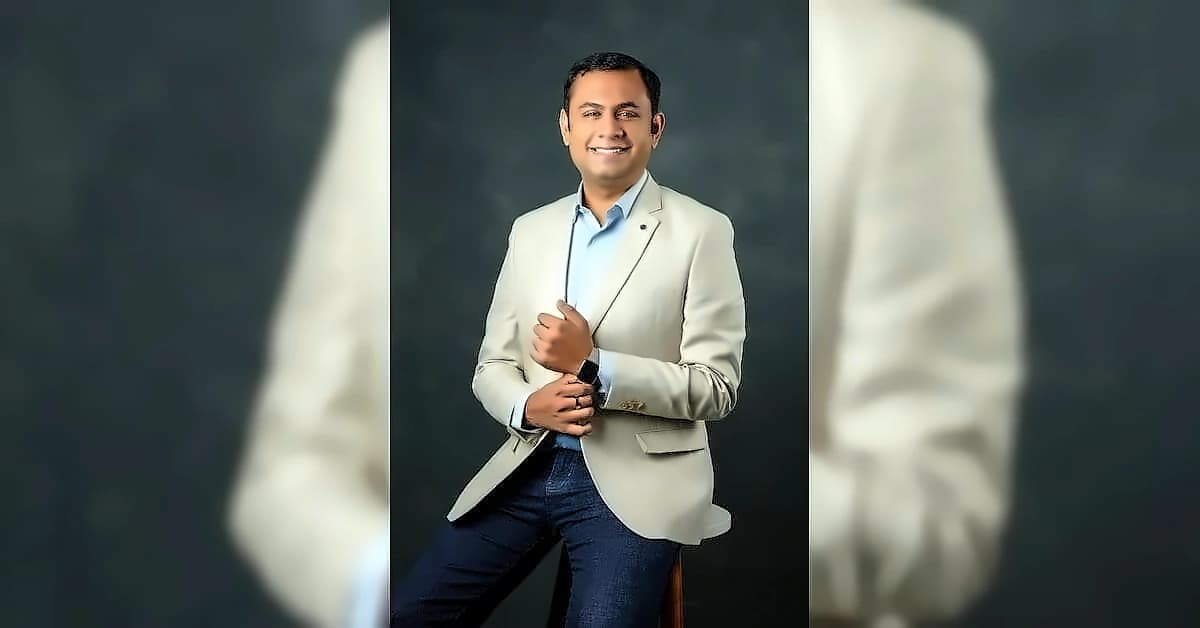
Paytm founder Vijay Shekhar Sharma emphasized that India's digital payments ecosystem and mobile economy have significant room for expansion, supported by technological innovation and growing consumer adoption. Speaking on Saturday (May 30) at an event organized by Consumer X Ventures and D2C Insider, Sharma stated that transaction growth continues to remain strong despite concerns around inflation and consumption, with India being a very resilient economy that is growing. He rejected suggestions that inflationary pressures or weaker consumption may be affecting transaction volumes, maintaining confidence in the sector's growth trajectory and predicting a catapult increase in transaction volume due to enhanced trust and new payment methods. As reported by The Economic Times, Sharma said there is an opportunity to build the mobile and digital economy to a next level where the power of AI is scaling and taking it to the next level.
Sharma highlighted that artificial intelligence is emerging as a key enabler of growth across businesses and could help accelerate the next phase of expansion in India's digital economy. As reported by The Hindu BusinessLine, he explained that AI serves as a force multiplier for business, helping companies address new customers, optimize operations, and discover new ways to reach consumers. The technology is positioned to strengthen customer trust and improve relationships between merchants and consumers, creating fresh opportunities for growth in digital transactions and the broader mobile economy. Sharma described this as "the time to be the AI bull," where what can be taken care of can become 10 times more valuable and scalable because of AI's transformational capabilities. According to The Economic Times, AI can help businesses improve customer engagement, discover new ways of reaching consumers and enhance operational efficiency, making companies more scalable and competitive.
Addressing India's broader economic challenges, economist Surjit Bhalla explained that private investment, not the West Asia crisis, is India's primary growth challenge. As reported by ANI, Bhalla attributed the lack of private investment to policy changes introduced after 2015, particularly the bilateral investment treaty framework. "We have made it very difficult for foreign investors to invest in India. Very difficult... We said we'll penalize you if you invest in India by higher taxes and so on and so forth. And you know, that's the problem," Bhalla stated. To revive investment, Bhalla called for restoring the pre-2015 bilateral investment treaty regime, ending retrospective taxation, lowering taxes on foreign investors and supporting export-oriented manufacturing. "Make it competitive. You want to attract them. We need them," he emphasized, arguing that stronger private investment is essential if India wants to raise its growth rate from around 6 per cent to closer to its potential of 8 per cent.

According to Sharma's comments to ANI, India's market is increasingly rewarding strong products and innovation, creating opportunities for emerging brands to compete with established players. He noted that the consumer market is where they are respecting the product, not just the brand name, with new brand names getting opportunities in the marketplace. Speaking about workplace culture, Sharma urged entrepreneurs to recognize and accommodate employees' needs and said this is an opportunity to create a "new-age system." He emphasized that entrepreneurs have the opportunity to build a new-age workplace culture by recognizing and acknowledging employee needs, describing this as a great example of people-first practices. As reported by The Economic Times, Sharma said India's market is increasingly rewarding strong products and innovation, creating opportunities for emerging brands to compete with established players.
Addressing global economic concerns, Sharma stated that India remains relatively insulated from external shocks because of its strong domestic consumption base. As reported by The Hindu BusinessLine, he noted that global economy impacts on India are much less due to the domestic-consumption-led economy, though the country would still want more exports. Sharma expressed confidence that rising digital adoption, continued innovation and the increasing use of AI would support sustained growth in India's digital payments ecosystem and mobile economy in the years ahead, while noting that stronger exports would still be desirable. According to The Economic Times, Sharma said the best part is that global economy impacts on India are much less, all because of what you are seeing -- a local domestic-consumption-led economy.