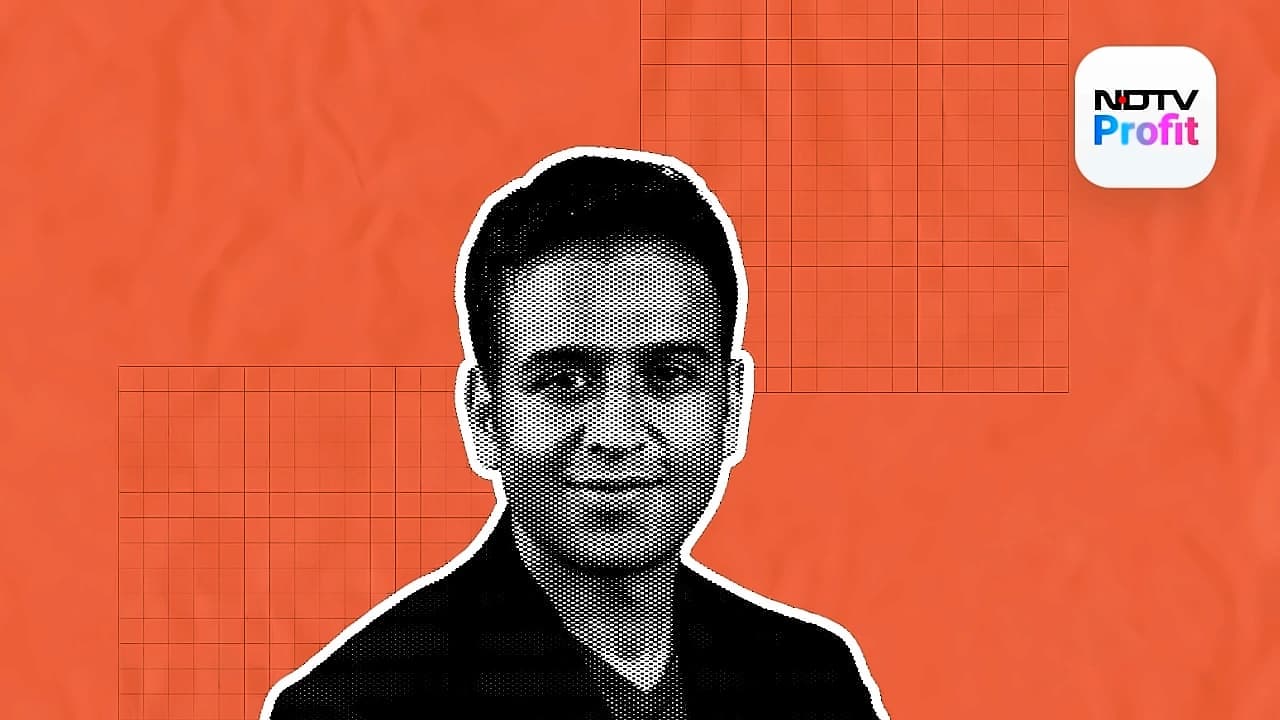
PB Fintech, the parent company of Policybazaar, has experienced a dramatic decline in stock value following regulatory developments. The stock extended its losing streak to seven consecutive sessions on Monday, wiping out more than ₹42,000 crore in market capitalisation and pushing the stock to a nearly 32-month low. According to The Economic Times, the stock closed at ₹980, down 0.3% from Thursday's close, marking a level last seen on February 16, 2024. Over the past seven sessions, PB Fintech's market capitalisation has fallen from around ₹87,290 crore to ₹45,174 crore, representing a loss of over 48% during this period. The stock is now back at its IPO price of ₹980, as PB Fintech made its stock market debut in November 2021.
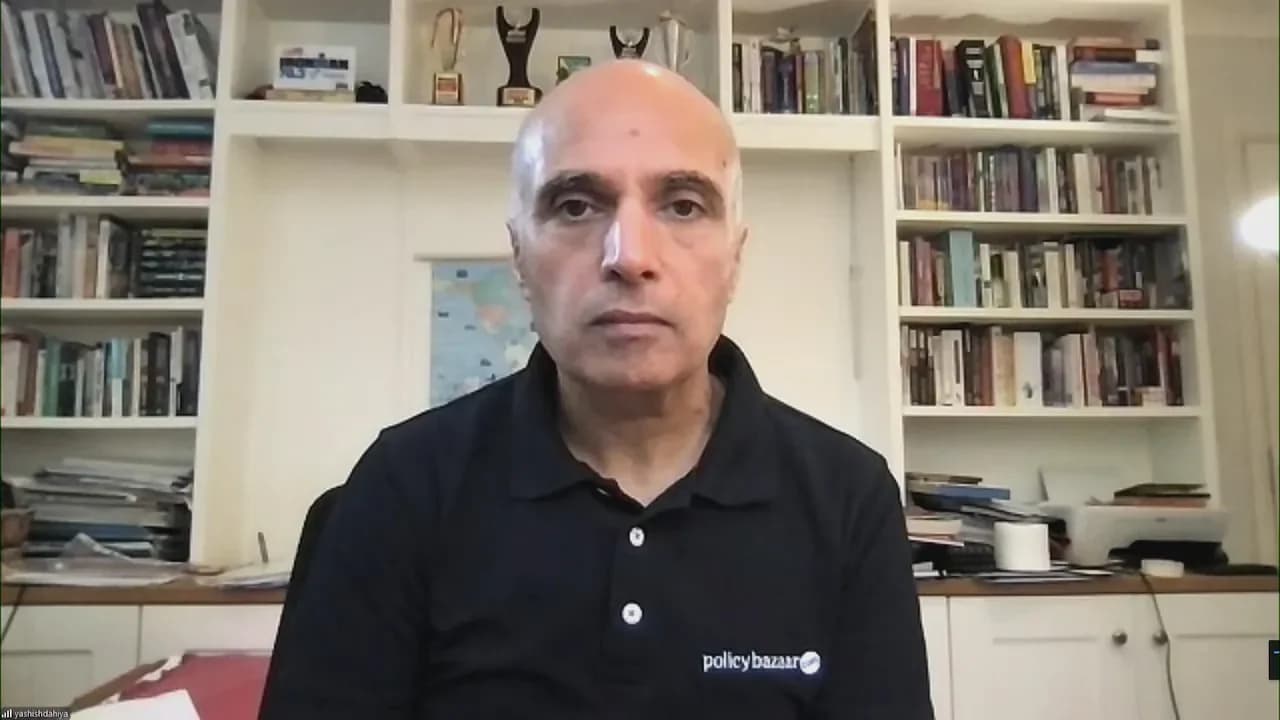
In a significant defense of its business model amid regulatory scrutiny, PB Fintech Chairman and Group CEO Yashish Dahiya revealed that the insurance aggregator successfully intervened to get 11,156 rejected health insurance claims reconsidered and paid out over the past year. Speaking in an exclusive interview with NDTV Profit on Monday, October 5, Dahiya framed these claim recoveries as tangible proof of the platform's customer advocacy, arguing that real consumer value will continue to shield the company's financial future even as the sector prepares for sweeping regulatory shifts. As Dahiya stated, "In health insurance, last year 11,156 claims were rejected from our books. We got them reconsidered and paid. That is clearly customer value." He added, "As long as you add value, you will have space out there. I am more than confident that the business will do well from a financial perspective."
The stock decline follows the Insurance Regulatory and Development Authority of India (IRDAI) consultation paper released on September 23 proposing caps on distributor commissions. PB Fintech's Co-founder & CEO Yashish Dahiya expressed confidence that the company can handle any potential revenue impact from the regulatory changes. According to reports from NDTV Profit, Dahiya stated that the company has been preparing for a zero-commission environment since its inception and believes at least 70% of its business would remain unaffected even under a severe scenario. He maintained that the company will raise no contentions regarding the regulator's policy choices, adding that PB Fintech is even evaluating a structural shift toward becoming a commission-free platform if necessary.
Dahiya highlighted that 80% of PB Fintech's sales come from direct traffic, providing structural protection against regulatory changes. As reported by NDTV Profit, he explained that the company's contact centre operations, which currently employ 26% of staff but generate 70% of sales, could be significantly reduced without materially affecting core business operations. The CEO emphasized that the company does not need to spend heavily on marketing individual insurance products, which could help cushion any pressure on revenue from changes to commissions or distribution practices. Dahiya acknowledged feeling hurt by allegations suggesting that Policybazaar does not act in the consumer's best interest, noting that friction in the market often stems from legacy players resisting transparent product comparisons.
PB Fintech, which commands a 30% market share in the health insurance segment, intends to further ramp up claim support and settlement assistance to reinforce customer trust. According to Dahiya, friction in the market often stems from legacy players resisting transparent product comparisons, noting that large insurance companies frequently complain about being evaluated side-by-side on an open platform. The CEO acknowledged that mis-selling has long been a persistent industry problem, particularly in health insurance and savings-oriented insurance products, but dismissed assertions that the regulatory draft is aimed at penalizing aggregators, emphasizing that the paper is focused squarely on curbing mis-selling across the industry. PB Fintech will focus on cost reduction and could consider transitioning towards a commission-free platform as the regulatory framework evolves.