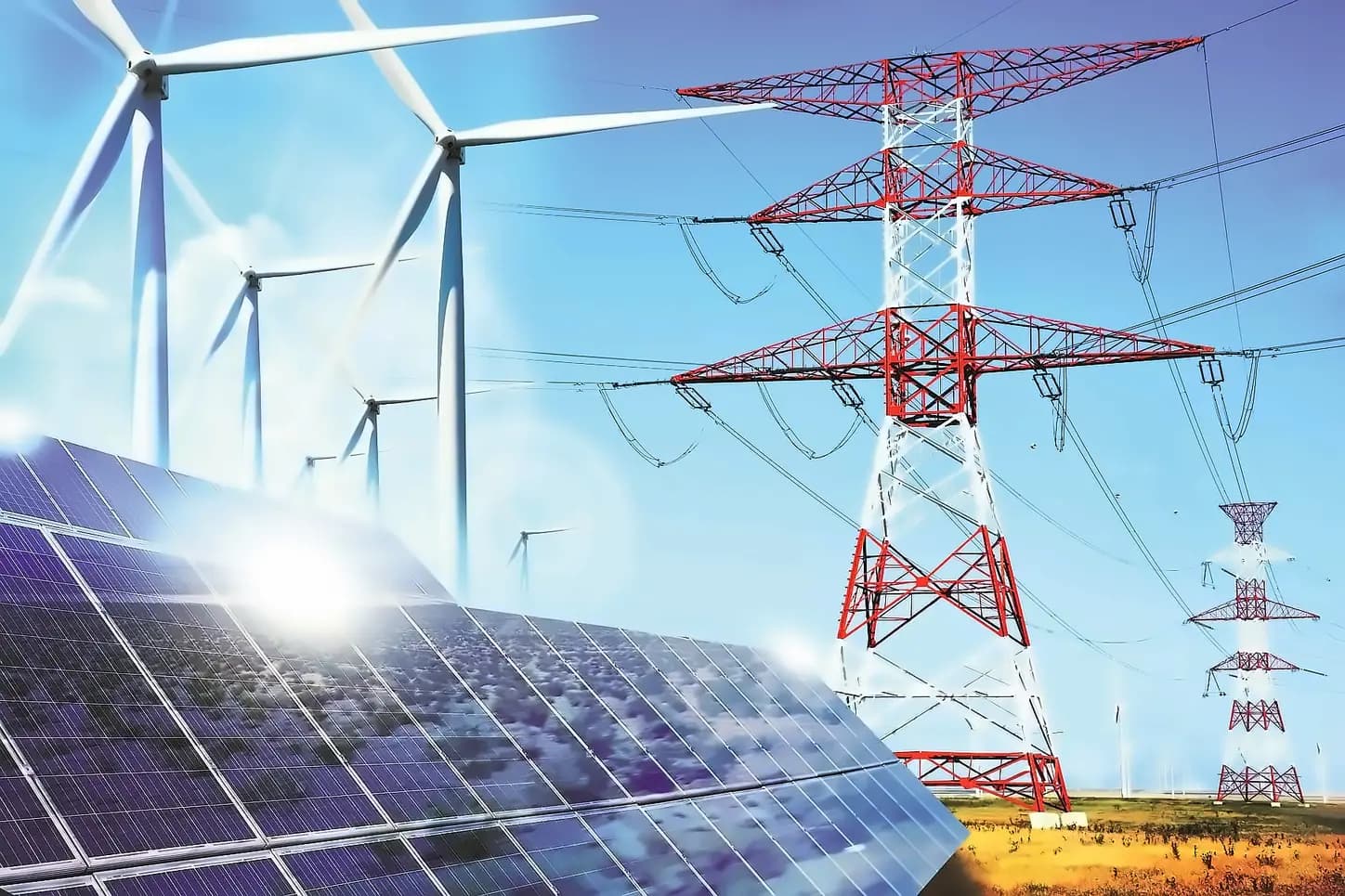
Maharashtra is preparing to tokenize up to 50% of selected electricity transmission assets to finance new power lines and solar energy storage facilities, as outlined by Praveen Pardeshi, chief economic adviser to Maharashtra Chief Minister Devendra Fadnavis and CEO of the Maharashtra Institution for Transformation, at The Box Launch event at World Trade Center Mumbai. Under the proposed structure, investors who purchase tokens would receive a share of the income earned by Maharashtra State Electricity Transmission Company (Maharashtra Transco). The state plans to direct capital raised through token sales toward additional transmission lines and storage centers designed to hold solar power until electricity demand rises. Rather than transferring full control of infrastructure to private owners, the model allows investors to participate in income generated by a defined portion of public assets, with detailed terms including which transmission assets could enter the program, how token holders would receive revenue, and which blockchain network would record ownership yet to be disclosed.
Maharashtra's interest in tokenised infrastructure financing stems from a mismatch between solar power output and transmission capacity, according to Pardeshi. The state produces more solar electricity than it can use during certain periods, yet its grid cannot always move the power to areas where demand exists. This creates significant economic inefficiencies, with electricity trading for as little as 2 paise per unit on the power exchange when supply exceeds demand, while distribution companies must purchase power at rates ranging from ₹16 to ₹18 per unit during peak hours. The proposed energy storage facilities could hold part of the daytime solar surplus and release it later, while new transmission lines could carry electricity from generation sites to consumption centers. Pardeshi emphasized that tokenization serves as a financing tool that could open public infrastructure development to more citizens without transferring full control of assets.
Alongside the power infrastructure proposal, Maharashtra is drafting the Maharashtra Digital and Land Token Asset Trading Act, known as the DELTA Act, which would make Maharashtra the first Indian state to adopt legislation specifically covering blockchain-based property tokenization. The proposed DELTA Act would create a legal framework for blockchain-based tokenisation of land and other immovable assets, with the state government putting in place the architecture for this comprehensive digital infrastructure framework. Pardeshi used Mumbai's Express Towers commercial building as an example, explaining how property tokenization could operate through a real estate investment trust structure that divides property interests into smaller investment units. The legal connection between tokens and Maharashtra Transco's revenue would be central to the infrastructure model, with blockchain records alone not determining enforceable claims - those rights would depend on state legislation, offering documents and contractual framework.
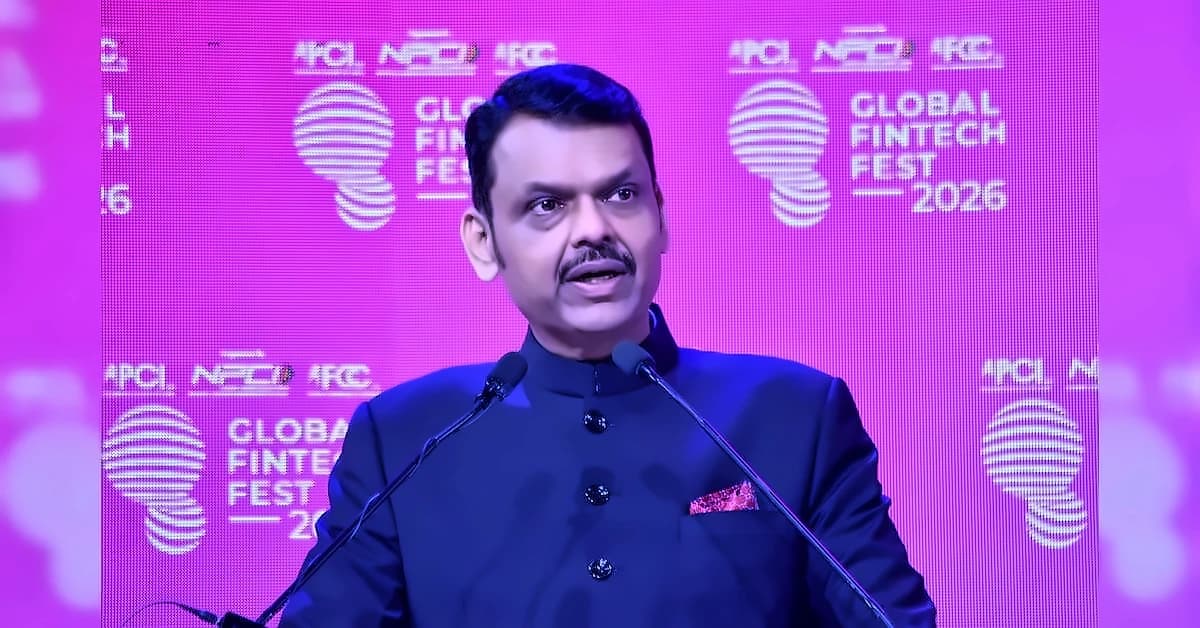
The government is bringing together expertise from the Securities and Exchange Board of India (Sebi), the National Stock Exchange (NSE), the BSE, industry, technology, law and academia to ensure the framework is developed carefully. As reported by Business Standard, Fadnavis emphasized that innovation at this scale must be accompanied by legal certainty, consumer protection and regulatory trust. The chief minister stressed that operationalising the Act requires a significant collaboration between the Government of India, institutions and the Government of Maharashtra. According to Business Standard, Fadnavis said 'Innovation at this scale must be accompanied by legal certainty, consumer protection and regulatory trust' and noted that 'The operationalisation of this DELTA Act requires a significant collaboration between Government of India, institutions and Government of Maharashtra'. He highlighted that Mumbai is the country's financial as well as fintech capital, while India has emerged as the world's largest digital transaction market.
Once enacted, the DELTA Act would allow ordinary citizens to realise the value of their land and other assets and potentially create liquidity from them. According to Business Standard, Fadnavis linked the initiative to India's broader shift towards digital financial transactions, stating that tokenisation and next-generation fintech could democratise ownership, capital and opportunity by unlocking dormant assets and making finance more transparent, liquid and accessible. The opportunity could represent around ₹50 lakh crore, with Fadnavis noting that for generations, land has represented wealth in India but very often, it is wealth without liquidity. He emphasized that tokenisation could help families and entrepreneurs unlock the economic potential of such assets more efficiently. The power grid tokenisation initiative would similarly allow token holders to rely on revenue rights and legal protections rather than owning entire physical transmission lines, with the final structure needing to define how income is calculated, distributed, and recorded.
Fadnavis positioned Maharashtra as an emerging global financial technology centre, stating that the future of finance was increasingly moving beyond traditional financial hubs such as New York, London and Singapore. As reported by Business Standard, he said 'Increasingly, it is being imagined, built and scaled here in India. There is no better home for this conversation than Mumbai, financial capital of India' and 'Mumbai should become the city where the future of global finance is designed'. During the event, Fadnavis also handed over lease deeds for plots in Mumbai's Bandra-Kurla Complex (BKC) to Sebi, the NSE and the Enforcement Directorate (ED) for their expansion in the city's corporate hub. According to Business Standard, he said 'Do not look at Maharashtra as a market, look at the region as your laboratory. Bring us your most ambitious ideas' and 'We are prepared to work with innovators, institutions and regulators to test responsible solutions at scale'. He highlighted that Mumbai's financial ecosystem, Pune's technology and engineering talent, and Navi Mumbai's emerging infrastructure and data capabilities give the state the ingredients to develop technologies that can eventually be deployed globally.