Tokenized commodities have demonstrated significant growth momentum, with market capitalization reaching ₹4,660 crore ($5.55 billion) at the end of March 2026, representing a substantial increase from ₹1,150 crore ($1.43 billion) at the beginning of 2025, according to CoinGecko data. Gold-backed tokens from Paxos and Tether accounted for almost 90% of this growth, establishing them as the dominant force in the market. The sector is transitioning from simple price tracking to active financial instruments that connect investors with businesses requiring inventory financing.
Paxos Labs is positioning gold lending as the next growth phase through its PAXGy token, which is backed by PAX Gold. Co-founder Bhau Kotecha told CoinDesk that the proposition centers on access, noting that gold lending has historically required scale and relationships unavailable to many investors. The company sees demand from individuals, family offices, and institutions, with borrowing against PAXGy as a potential next step. However, lending returns are not guaranteed, and borrower defaults could erode the token's value.
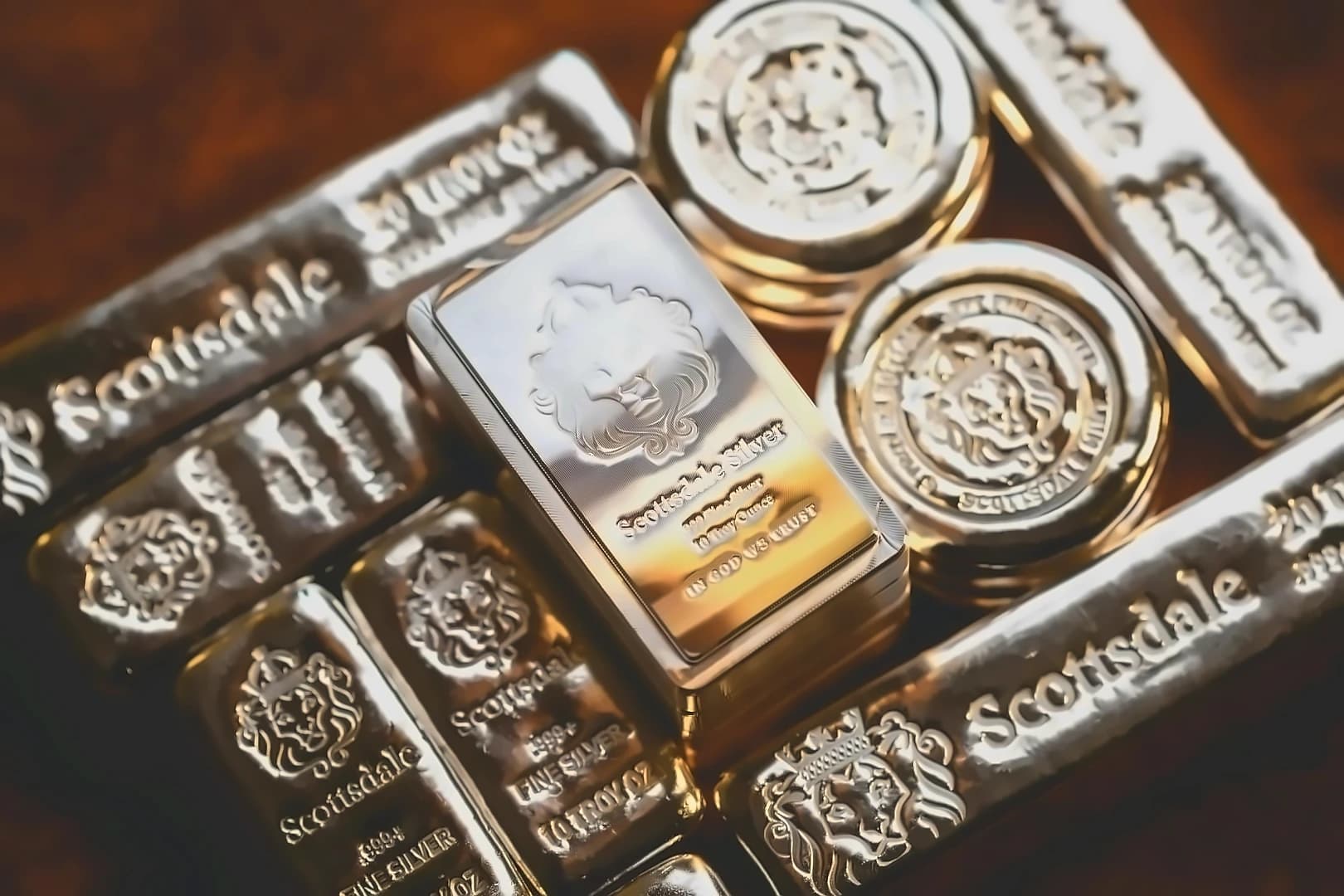
Theo is developing silver products that pass income from institutional leases to holders while maintaining metal price exposure. Chief Investment Officer Iggy Ioppe sees growth potential from existing commodity owners and users, including institutions seeking productive collateral, refiners financing inventory, and corporate treasuries requiring quick-settling assets. Silver is positioned as the 'natural second' after gold, citing industrial demand and an established leasing market, though greater volatility and tighter supply complicate opportunities. Ioppe forecasts a tokenized commodities market worth tens of billions within five years and more than ₹8,800 crore ($100 billion) within a decade.
EnSub has expanded its WTIC token from Ethereum to Solana on October 2, representing one barrel of West Texas Intermediate crude backed by verified physical inventory. Co-founder and CEO JP Thieriot indicated that natural gas and Brent tokens are under development. The company expects demand from energy buyers hedging costs, investors seeking exposure, and suppliers needing working capital, predicting oil tokens could account for 25% of the oil market within 10 years. However, executives differ on energy token development timelines, with Ioppe arguing storage and transport make income-generating energy tokens harder to build, while Thieriot emphasizes the need for verifiable inventory, workable custody and settlement for commodities in continuous motion.

Recent developments highlight the speculative nature of tokenized commodities with SARP crypto jumping 32% before launch despite being a pre-launch project. According to Strategic American Protocol, SARP is not backed by oil, gold, or physical assets, with its value deriving from protocol activity rather than ownership of commodities. The project's disclaimer explicitly states that references to reserves and hard assets are thematic framing, not physical backing claims. This case exemplifies the risk-reward dynamics in the tokenized commodities space, where speculative trading based on future promises can significantly outpace actual market fundamentals.