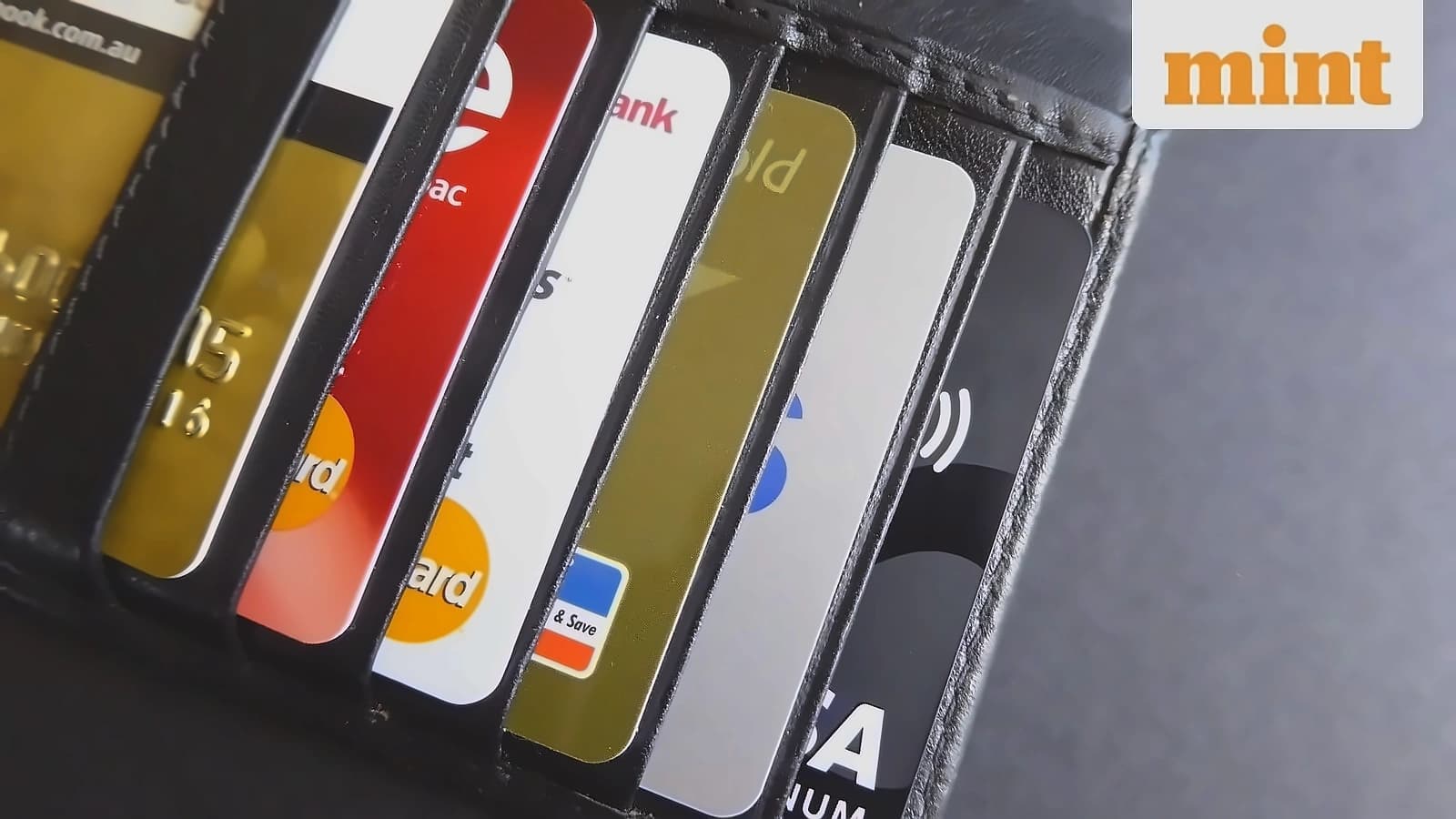
India's card payments are positioned for steady growth driven by financial inclusion, rising incomes, and increased access to electronic transactions, according to analytics firm GlobalData. The London-based firm's report highlights how India has brought a much larger share of its population into formal financial services over the past decade through wider bank-account ownership and inclusion initiatives like direct benefit transfers. This expansion has coincided with an exponential surge in digital transactions, especially low-value payments through UPI. As per GlobalData's Payment Cards Analytics, the total value of card payments in India has recorded robust growth over the past five years, reflecting the country's expanding banked population and government-backed financial inclusion initiatives. Rising preference for digital banking and the expansion of ecommerce are expected to further support electronic payment adoption over the coming years, as reported by GlobalData.
As reported by GlobalData, outstanding debit cards stood at 1.03 billion as of July, while credit cards were at 122.9 million, according to the latest data from the Reserve Bank of India. The firm notes that debit cards remain dominant, but consumers are gradually leaning toward credit cards, attracted by benefits such as reward points, discounts, and instalment options. Credit card adoption is gaining momentum, with rewards programmes, discounts and instalment payment options making cards more attractive. The integration of credit cards with UPI could provide another significant boost, allowing consumers to make card-funded payments through widely accepted UPI QR codes. Despite progress in penetration, sustained efforts are still required to improve card access and strengthen acceptance infrastructure in underbanked regions, according to GlobalData.
The Reserve Bank of India's Financial Inclusion Index rose to 70 as of March-end from 67 a year earlier, extending its steady climb. According to GlobalData, this improvement captures financial literacy, consumer protection, and inequalities and deficiencies in services. The firm attributes the growth to deeper financial inclusion, rising incomes, and greater awareness, which are being amplified by banks' promotional campaigns. PMJDY has issued more than 590 million accounts and over 410 million RuPay cards as of August 2026, highlighting the role of debit cards in bringing previously unbanked consumers into the formal financial system. PMJDY has been central to this expansion by offering basic savings bank deposit accounts for low-income groups and rural populations with limited access to financial services, as noted by GlobalData.
As reported by GlobalData, lower adoption of credit and charge cards reflects limited formal borrowing histories in large parts of the population, particularly in rural areas, as well as concerns over interest costs and debt. However, the expansion of the middle-class workforce, rising incomes, and greater awareness are supporting their adoption. The firm expects credit card usage to grow after integration with the Unified Payments Interface, which will facilitate easier access to electronic transactions. Convenience-led innovations are also reshaping credit card use cases, with the integration of credit cards with UPI expected to increase utilization by enabling instant payments via widely used UPI QR codes, including at merchants that do not accept card payments through traditional POS infrastructure. Limited formal credit histories and relatively high interest rates have historically constrained credit card demand, but consumers also have access to alternatives such as overdraft facilities. Banks' promotional campaigns are contributing to this shift, with the integration of credit cards with UPI providing new use cases beyond conventional point-of-sale terminals.