BRICS Pay is actively expanding its cross-border payment network to include additional countries beyond the original BRICS members. According to reports from ANI, the platform has already signed memorandums of understanding with companies in China, Belarus and Turkey, marking significant progress in its international expansion strategy. CEO Andrey Mikhaylishin confirmed that the company has agreements at different stages with multiple countries, indicating a comprehensive approach to global financial connectivity. The platform is ready to transfer its source code and technology to countries seeking to connect to the project, allowing different national payment systems to work through a common infrastructure.
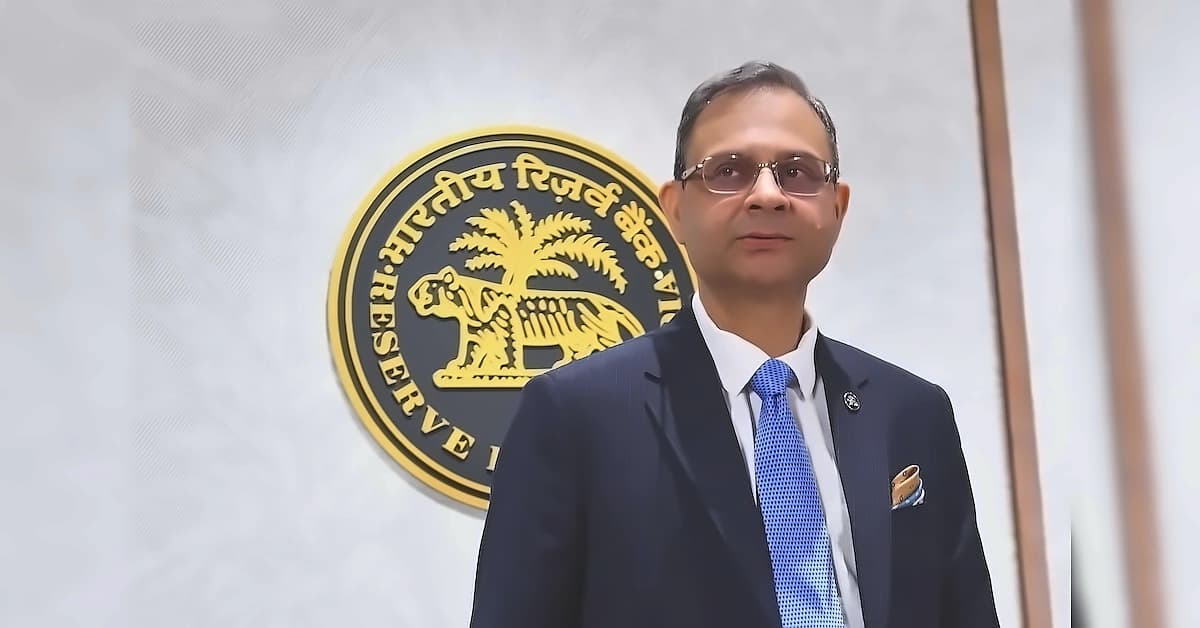
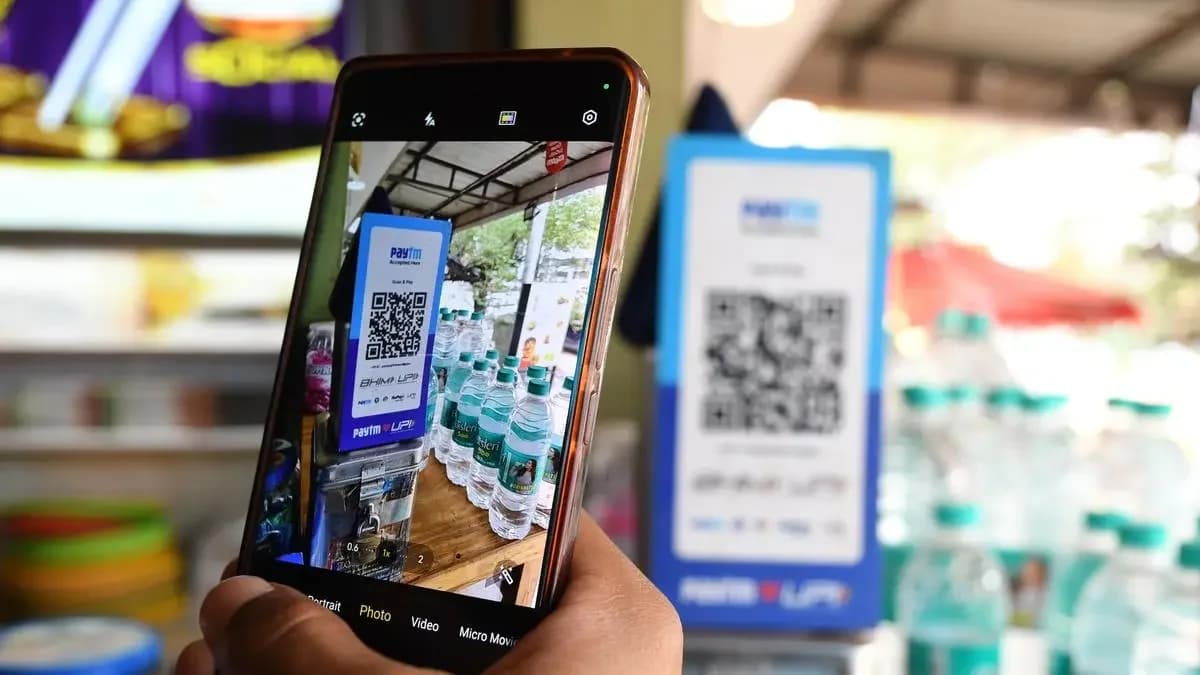
India is taking a leading role in BRICS digital payment cooperation, with the Digital India programme and Reserve Bank of India (RBI) developing the Digital Rupee (e₹) as India's central bank digital currency. As reported by Travel And Tour World, India's Unified Payments Interface (UPI) has expanded internationally through partnerships with several countries, allowing easier digital payments for users in supported markets. The country's digital payment infrastructure is being promoted as part of broader financial innovation strategy, with the government promoting digital identity, online services and electronic payments to improve economic participation. In 2023, the RBI and the Central Bank of the UAE signed agreements to encourage local currency transactions and explore links between payment and messaging systems.
The proposed BRICS payment cooperation could significantly impact the travel industry across multiple sectors. According to Travel And Tour World, airlines could benefit from easier international ticket payments and customer transactions, while airports would see more convenient retail and passenger spending experiences. Hotels would gain faster settlement of international guest payments, and tour operators would experience simpler payment collection from overseas visitors. For tourism authorities, the potential advantages include easier spending for international guests, stronger participation from small tourism businesses, and better integration between digital services and travel platforms. The World Travel & Tourism Council (WTTC) reports that travel and tourism generated a major share of global economic activity before the pandemic and continues to recover strongly, with digital payment improvements potentially supporting tourism economies by helping money move more efficiently between visitors and businesses.
BRICS Pay is developing a fully decentralized architecture for settlements between countries, as confirmed by CEO Andrey Mikhaylishin. The platform supports B2B settlements between companies and banks using this innovative decentralized approach. The system is designed to facilitate payments for tourists travelling between participating countries, allowing them to use their domestic means of payment. "We do the two for B2B settlements. It's a new kind of architecture, fully decentralized architecture for the settlements between countries," Mikhaylishin explained to ANI. The current BRICS discussions are focused on exploring cooperation rather than announcing a completed payment network, with no confirmed plan for a single BRICS currency for tourists.
Looking ahead, Mikhaylishin emphasized that BRICS Pay should not be viewed as a mechanism aimed at replacing the dollar, stating that users would retain the flexibility to choose dollar-based payments if they wanted. The platform's ultimate aim is to create a decentralised payment infrastructure that gives countries greater control over their financial systems while making cross-border payments easier for citizens. "In my opinion, in the future, we will have fully decentralized infrastructure with sovereignty, more sovereignty in the financial means for the countries," he told ANI. This vision positions BRICS Pay as a complementary system rather than a replacement for existing international payment mechanisms, with potential economic benefits including stronger participation by small enterprises, improved international business connections, and greater confidence among travellers.