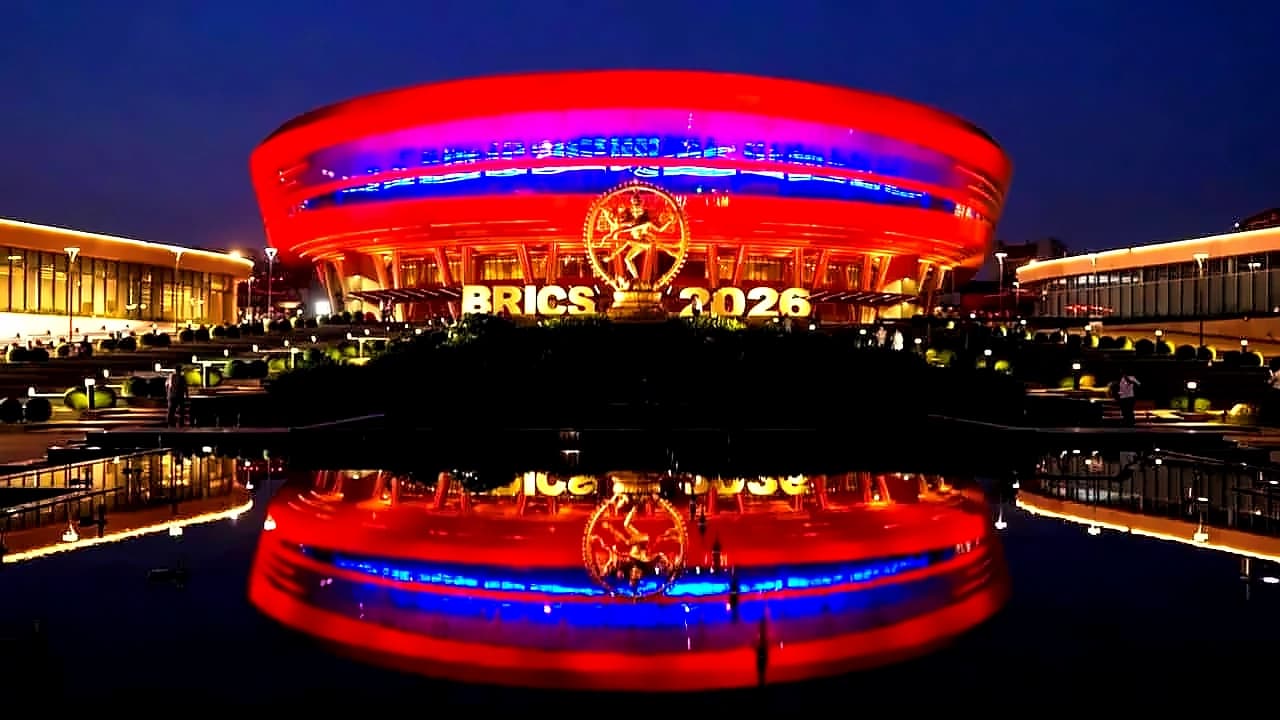
Union Minister for Finance and Corporate Affairs Nirmala Sitharaman and RBI Governor Sanjay Malhotra co-chaired the BRICS Finance Ministers and Central Bank Governors' meeting in Jaipur on August 12-13, 2026. According to The Hindu BusinessLine, the Finance Minister and the RBI Governor co-chaired the meeting, with Malhotra emphasizing that cooperation among central banks is crucial for building a resilient, efficient and inclusive financial system. The Governor also appreciated the work done by central bank workstreams on various key areas including information security, fintech, cross-border payments, sustainable finance, capacity building and the Contingent Reserve Arrangement. India is hosting the 2026 BRICS Summit, giving New Delhi an important platform to advance discussions on financial integration and alternative cross-border payment mechanisms.
BRICS countries are actively discussing linking their fast payment systems and Central Bank Digital Currencies (CBDCs) as part of preparations for the 2026 BRICS summit to be held in India. According to Reuters, RBI Governor Sanjay Malhotra shared these updates during a recent event in Mumbai, explaining that while several options are currently on the table, the project remains in the discussion stage. The primary motivation behind connecting these systems is to make international transactions more efficient and affordable for everyone involved. As per Reuters, Malhotra stated that "cross-border payments is an area of interest for all of us, including the BRICS, because we feel there is a lot of scope for reducing cost." The discussions focus on exploring two major possibilities: BRICS countries could explore interoperability between their domestic instant-payment platforms, with India's Unified Payments Interface (UPI) being one of the world's major real-time payment systems that has already been linked with payment systems in several countries. Another option under consideration is creating mechanisms through which the CBDCs of participating countries can interact with each other, with CBDCs being digital forms of sovereign currency issued by central banks that could support faster international settlements, reduced dependence on intermediaries, and more efficient trade payments.
Finance Minister Sitharaman also met the Vice Minister of Finance of Indonesia Juda Agung in Jaipur on August 12, discussing key matters related to financial sector development and closer collaboration in international financial services. According to the Ministry of Finance, the bilateral meeting took place on the sidelines of the BRICS Finance Ministers and Central Bank Governors meeting. Sitharaman noted that Prime Minister Modi's State Visit to Indonesia last month has taken the Comprehensive Strategic Partnership into its 'golden era'. The leaders focused on administrative and policy mechanisms to boost economic engagement, touching upon specific operational frameworks in financial services and bilateral commerce. The two leaders discussed issues related to financial sector development; closer collaboration in international financial services, including knowledge exchange on setting up and running financial centres; the India-Indonesia Economic and Financial Dialogue; stronger trade ties; and local currency transactions. Both sides agreed that as two like-minded members of the Global South, India and Indonesia should continue to work closely within multilateral institutions, with H.E. Mr. Juda Agung appreciating India's strong economic growth and resilience.
Earlier this week, Malhotra had said BRICS countries were exploring ways to reduce the cost and increase the speed of cross-border payments, as reported by Business Standard. The Governor highlighted that cross-border payments were an area of interest for BRICS countries, with scope to reduce costs, particularly for retail transactions, and improve transaction speed. He noted that work was underway on various methods for cross-border payments, including central bank digital currencies (CBDCs) and linkages of multiple payment systems, although these remained at the discussion stage. For emerging economies, cheaper and faster payment mechanisms can support trade, remittances, investment and financial inclusion, with BRICS cooperation contributing to building alternative payment channels that complement existing global financial infrastructure. The RBI has signed memoranda of understanding with the central banks of the UAE, Mauritius, Maldives and Indonesia to spread awareness among importers and exporters about using local currencies, with more MoUs in the pipeline.
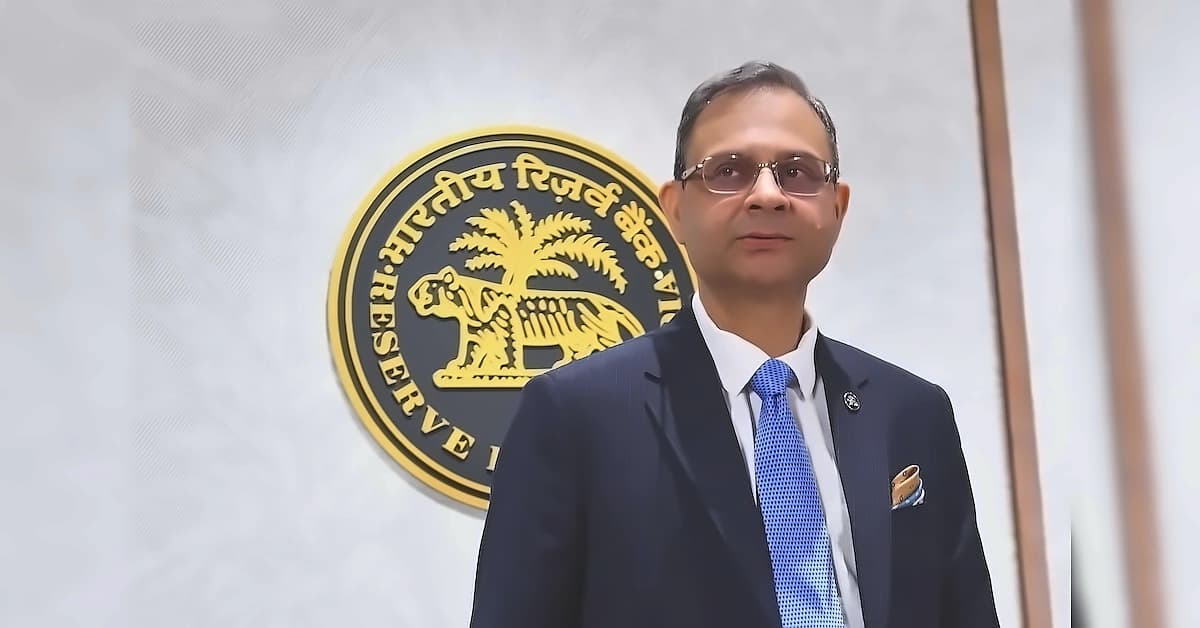
According to Business Standard reports, the RBI has signed memoranda of understanding with the central banks of the UAE, Mauritius, Maldives and Indonesia to spread awareness among importers and exporters about using local currencies, with more MoUs in the pipeline. Malhotra emphasized that India already trades in local currencies with several countries, though volumes remain small, indicating the potential for significant growth in this area. The RBI Governor also stated that the central bank will continue efforts to internationalise the Indian rupee and encourage the use of local currencies in cross-border payments and trade. Greater use of the rupee could reduce India's dependence on foreign currencies for certain international transactions and potentially lower currency-conversion risks, supporting India's growing international trade and strengthening the country's position in the emerging global digital-finance ecosystem.