Domestic markets opened on a negative note on Monday following Prime Minister Narendra Modi's comprehensive austerity appeal. GIFT Nifty at 24,090 indicates a gap-down opening of about 200 points, reflecting market concerns over potential economic measures. According to The Hindu BusinessLine, market participants fear that the Centre may impose austerity measures or hike petrol prices that could have a cascading effect on the economy. The negative sentiment comes as fresh concerns emerged after Donald Trump reportedly dismissed Iran's response to the latest US peace proposal as 'totally unacceptable', dampening hopes of an immediate diplomatic breakthrough and bringing the Strait of Hormuz and broader energy market risks back into focus.
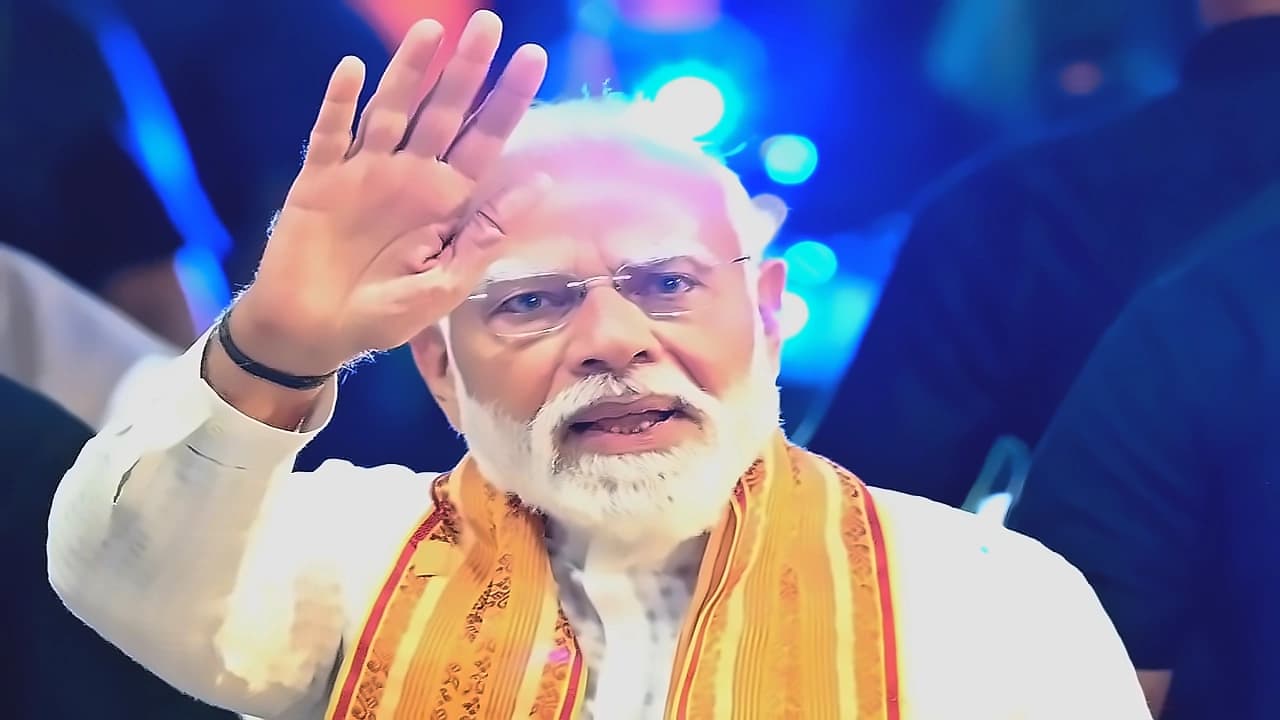
Prime Minister Narendra Modi on Sunday unveiled a comprehensive 9-point plan to mitigate the impact of the global energy crisis, urging citizens to adopt collective restraint and a 'duty-first' approach. Addressing a BJP rally in Hyderabad, PM Modi emphasized that 'when the supply chain continues to be in crisis, difficulties only increase' and called for 'fighting unitedly, keeping the country and Mother India first'. He stressed that 'patriotism is not just about dying for the country. Living for the country and fulfilling our duties to the country is also patriotism'. The Prime Minister specifically urged citizens to use petrol and diesel sparingly, curb their use of these fuels, and adopt shared travel alternatives like carpooling to reduce fuel demand. Modi also asked citizens to avoid purchasing gold for a year and reduce consumption of petrol, diesel and cooking gas.
PM Modi highlighted the continued importance of digital platforms for reducing physical travel and fuel consumption. As reported by The Times of India, he said 'during the Corona period, we developed many systems of work from home, online meetings, and video conferences, and we even became accustomed to them'. The Prime Minister urged citizens to prioritise work from home, online conferences, and virtual meetings again, emphasizing that such systems remain relevant in the current global crisis. He stressed that remote work systems help reduce travel, fuel consumption and overall economic pressure, and urged people to maximize the use of digital coordination tools for official and professional communication. Drawing parallels with the Covid-19 pandemic period, Modi said 'today, the demands of the times are such that if we restart these systems, it will be in the national interest'.

PM Modi advocated for greater use of public transport and cleaner mobility options to cut fuel consumption. According to latest reports, he urged people living in cities with metro rail networks to prefer metro travel wherever possible and recommended carpooling when private vehicles are necessary. The Prime Minister also encouraged electric vehicle owners to maximise EV usage and highlighted the importance of energy security in the current geopolitical environment. He said the government was making 'unprecedented investments' in strengthening India's energy infrastructure and reducing vulnerability to external shocks. Modi pointed to the expansion of solar power capacity, ethanol blending in petrol, wider LPG coverage, piped gas infrastructure and the growth of CNG-based transport systems as key pillars of India's long-term energy transition strategy.
Despite global headwinds, the Indian economy has maintained strong growth momentum with positive GDP projections. SBI Securities expects FY27 real GDP growth at 6.6 per cent, with FY26 GDP growth likely to be at 7.5 per cent. According to The Hindu BusinessLine, high-frequency activity data indicates resilient economic activity, with a minor decline in Q4. Rural consumption remains strong, driven by positive signals from farm and non-farm activity, while supported by fiscal stimulus, urban consumption shows a consistent uptick since the last festive season. The brokerage expects Q4FY26 real GDP growth of closer to 7.2 per cent and maintains an optimistic outlook for India's economic resilience. However, analysts caution that high commodity prices, specifically crude oil, remain the primary headwinds for Indian equities, with crude oil prices above $100 likely to squeeze corporate margins.
From a valuation perspective, large-caps remain attractive compared to Small and Midcap (SMID) indices despite current market volatility. According to Motilal Oswal Financial Research, the Nifty-50 is trading at 19.1x forward earnings, roughly 9% below its long-period average, while SMID indices continue to trade at a premium, suggesting a more stretched risk-reward profile in those segments. The domestic brokerage noted that India's market performance remains highly linked to earnings and global flows, with the primary headwinds being high commodity prices, specifically crude oil. Global stocks were mixed, with many down marginally except Korea's Kospi, which jumped over 4.5 per cent in early deals on Monday, reflecting the volatile nature of current market conditions.