Indian stock markets experienced a significant downturn on Monday, with the Sensex dropping over 1,100 points to 76,226 and the Nifty 50 falling 314 points to 23,862. The selloff wiped out nearly ₹6 lakh crore from the total market capitalisation of all companies listed on the BSE, bringing it down to ₹467 lakh crore. According to The Economic Times, the decline was triggered by Prime Minister Narendra Modi's appeal for energy conservation and diminishing prospects for an Iran-US peace deal. The bearish sentiment was broad-based, with the Nifty Midcap 100 and Nifty Smallcap 100 indices declining around 1% each, while India VIX surged 10% to 18.50 in early trade. All sectoral indices traded in the red, with Nifty Consumer Durables leading the losses with a 3% decline. Around 2,057 stocks declined on the NSE, while 605 advanced and 110 remained unchanged.
Speaking at an event in Hyderabad, PM Modi called people to help preserve foreign exchange reserves by avoiding unnecessary foreign travel, overseas vacations and weddings abroad, while favouring domestic tourism. He also called on people to avoid non-essential gold purchases for the next year to reduce pressure on foreign exchange outflows. As per The Times of India, he said, "In the current situation, we must place great emphasis on saving foreign exchange." He added that imported petroleum products should be used only when necessary, as this would not only save foreign exchange but also reduce the adverse impact of war. The appeal was linked to the ongoing global energy shock caused by tensions in West Asia and disruptions around the Strait of Hormuz, which handles over 20% of the world's daily oil and gas shipments. According to The Economic Times, the comments from the Prime Minister came at a time when India's gold imports are already facing pressure, with India importing an average of 60 tonnes of gold every month during FY26, translating into a monthly import bill of nearly $6 billion.
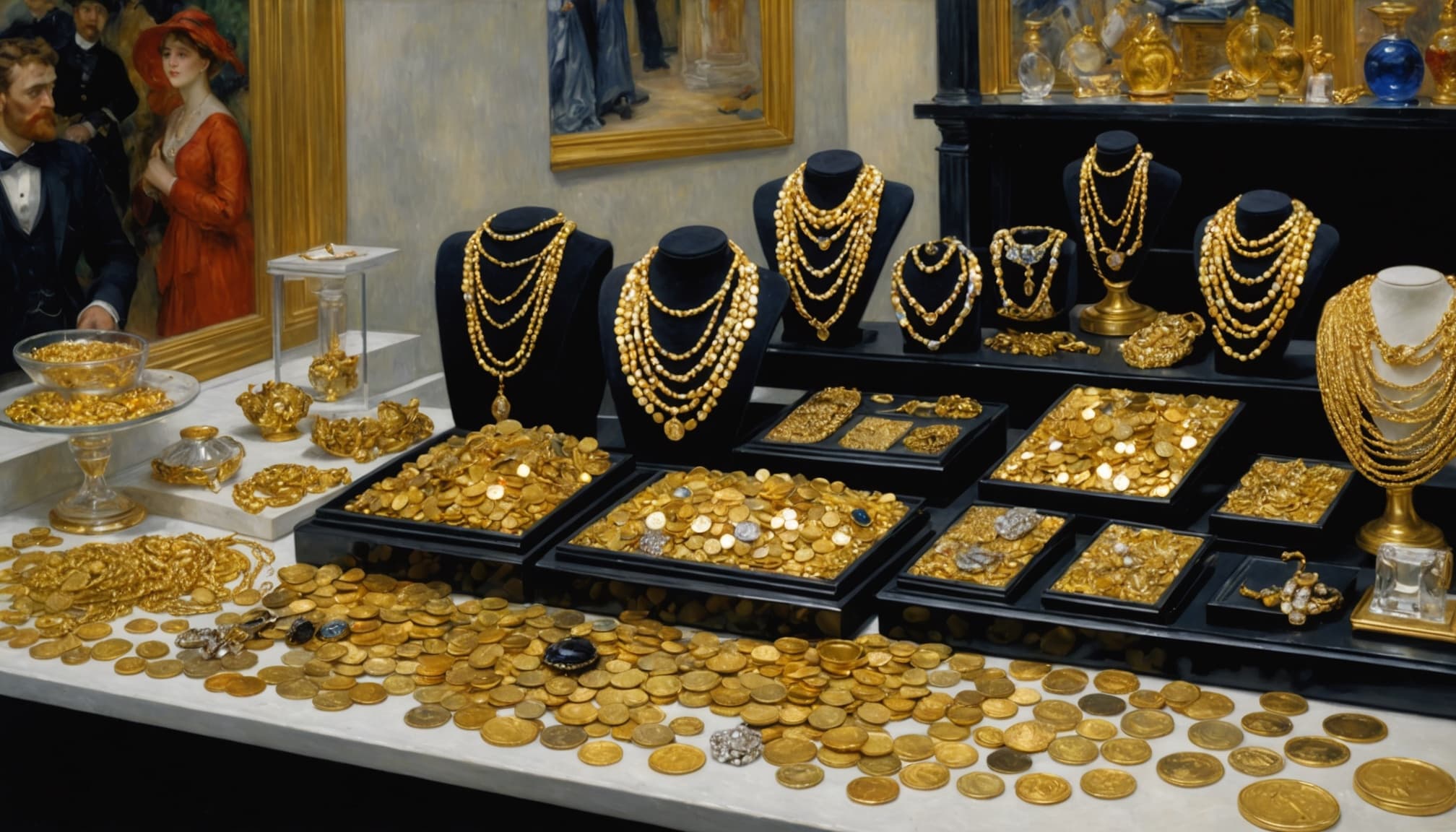
Titan Company shares tumbled more than 5% to lead the losses among Sensex constituents, despite reporting strong Q4FY26 earnings. The stock opened at ₹4,350 and touched an intraday low of ₹4,220. Kalyan Jewellers shares declined over 9% as reported by The Economic Times, while Senco Gold and Sky Gold slumped nearly 10% each during the trade. Sky Gold and Diamonds shares tumbled 12.25% to ₹475 on Monday, with its market capitalization barely holding ₹7,250 crore, marking the most severe decline among major players. The stock is down nearly 13% from its 52-week high at ₹549 hit on Friday, May 08. Kalyan Jewellers India was down 10% to ₹382.20, with its valuations slipping below ₹40,000 crore. PC Jeweller declined 3.26% to ₹9 amid broad-based weakness across the jewellery segment. Among other smaller players, PN Gadgil Jewellers also tumbled close to 9%, while Bluestone Jewellery and Lifestyle, Goldiam International, PC Jeweller and Thangamayil Jewellery fell between 4% and 6% in early trade on Monday.
Sky Gold and Diamonds shares tumbled more than 12% to ₹475 during the session, marking the most severe decline among major players. As reported by The Times of India, shares of P N Gadgil Jewellers and Bluestone Jewellery also declined up to 9% amid broad-based weakness across the jewellery segment. The sharp correction reflects investor concerns that any prolonged slowdown in discretionary gold purchases could impact demand momentum, particularly at a time when gold prices remain elevated and consumer buying patterns are already showing signs of moderation. Among other smaller players, PN Gadgil Jewellers, Manoj Vaibhav Gems N Jewellers, Shringar House of Mangalsutra, Tribhovandas Bhimji Zaveri, RBZ Jewellers, Radhika Jeweltech and BlueStone Jewellery and Lifestyle were down 6-8% each in early trade on Monday. According to The Economic Times, the main trigger behind the fall appears to be concerns that any slowdown in gold purchases could affect jewellery demand in India, especially during the wedding season.
Despite the sharp market decline, several jewellery companies reported strong quarterly earnings that were largely ignored by investors. Titan Company reported a consolidated net profit of ₹1,179 crore in Q4FY26, up 35% from ₹871 crore in the same period last year, as reported by The Economic Times. The Tata Group company's total income rose 46% year-on-year to ₹20,300 crore during the quarter, while EBIT increased 28% to ₹1,875 crore. Similarly, Kalyan Jewellers posted strong earnings with net profit more than doubling to ₹409.5 crore in Q4FY26, as reported by The Economic Times. However, investors focused more on the possible impact of lower gold demand and rising economic uncertainty, with the broader concern remaining India's rising import bill as crude oil prices stay elevated.
The market decline occurred against a backdrop of multiple headwinds, with Brent crude surging to $105 following President Trump's rejection of Iran's proposal for a peace deal. According to The Economic Times, Foreign Institutional Investors (FIIs) remained net sellers last week, selling ₹110.7 billion worth of equities, while Domestic Institutional Investors (DIIs) continued to support the market, emerging as net buyers with investments totalling ₹213.9 billion. The rupee is expected to remain volatile within a range of 94.00–95.00, reacting closely to crude prices, FII flows and geopolitical developments, as noted by Jateen Trivedi, VP Research Analyst at LKP Securities. According to Pabitro Mukherjee from Bajaj Broking, FIIs have remained net sellers in the current calendar year, offloading ₹2,518.2 billion worth of equities. The Prime Minister's appeal was linked to the ongoing global energy shock, with geopolitical tensions, elevated oil prices and a weaker rupee leading to sustained FII selling over recent months.