According to Mint reports, Paresh Bhagat, CIO of Veer Growth Fund (AIF) and Chairman at Mangal Keshav Financial Services, warns that elevated crude oil prices continue to pose significant risks to India's stock market. As reported by Mint, Bhagat stated that "as long as oil remains elevated, the correction risk in India isn't fully behind us." The expert emphasized that while geopolitical uncertainties remain fluid, the key concern is whether crude oil price increases create sustained market pressure rather than temporary headlines. Latest developments show Brent crude above $100 a barrel again, with traders increasingly uneasy over lack of progress on U.S.-Iran diplomacy and tensions in the Strait of Hormuz. As reported by Dow Jones, Iran attacked three ships in the critical Strait of Hormuz and escorted two of them to Iranian waters, though White House press secretary said the attacks didn't constitute a violation of the cease-fire.
As reported by Mint, Bhagat identified three critical variables for sustaining the current market rally: rupee stability, improved FII flows, and cooling crude oil prices. According to the report, the rupee's direction is crucial as a weaker currency creates discomfort for foreign investors and raises macro concerns. The expert noted that foreign institutional behavior reflects both valuation comfort and overall macro confidence, with foreign investors selling a record ₹1.8 lakh crore ($19.69 billion) worth of Indian assets in FY26. Despite strong domestic earnings from large private banks and record SIP inflows in March, foreign selling continues to cap market conviction. Latest market data shows stocks looking set to fall Thursday with renewed caution surrounding the Iran war triggering a more defensive tone across risky assets.
According to Mint reports, Bhagat maintains that India remains a long-term growth story, but with a clear condition: oil must not stay structurally high. The expert explained that if crude oil remains elevated for too long, it weakens India's macro position by simultaneously impacting inflation, growth, fiscal balance, and current account. However, if crude moves back toward the $60–70 range and stabilizes, India stands out as one of the more compelling long-term growth stories among major emerging markets. As reported by Dow Jones, with the conflict in its seventh week, the Strait of Hormuz remains closed, restricting transport of oil and natural gas and threatening the supply of raw materials including fertilizers and helium crucial for chip making. Traffic through the strait remains close to a standstill, and even if the waterway reopens soon, analysts say it will take a while for Gulf oil operations to normalize.
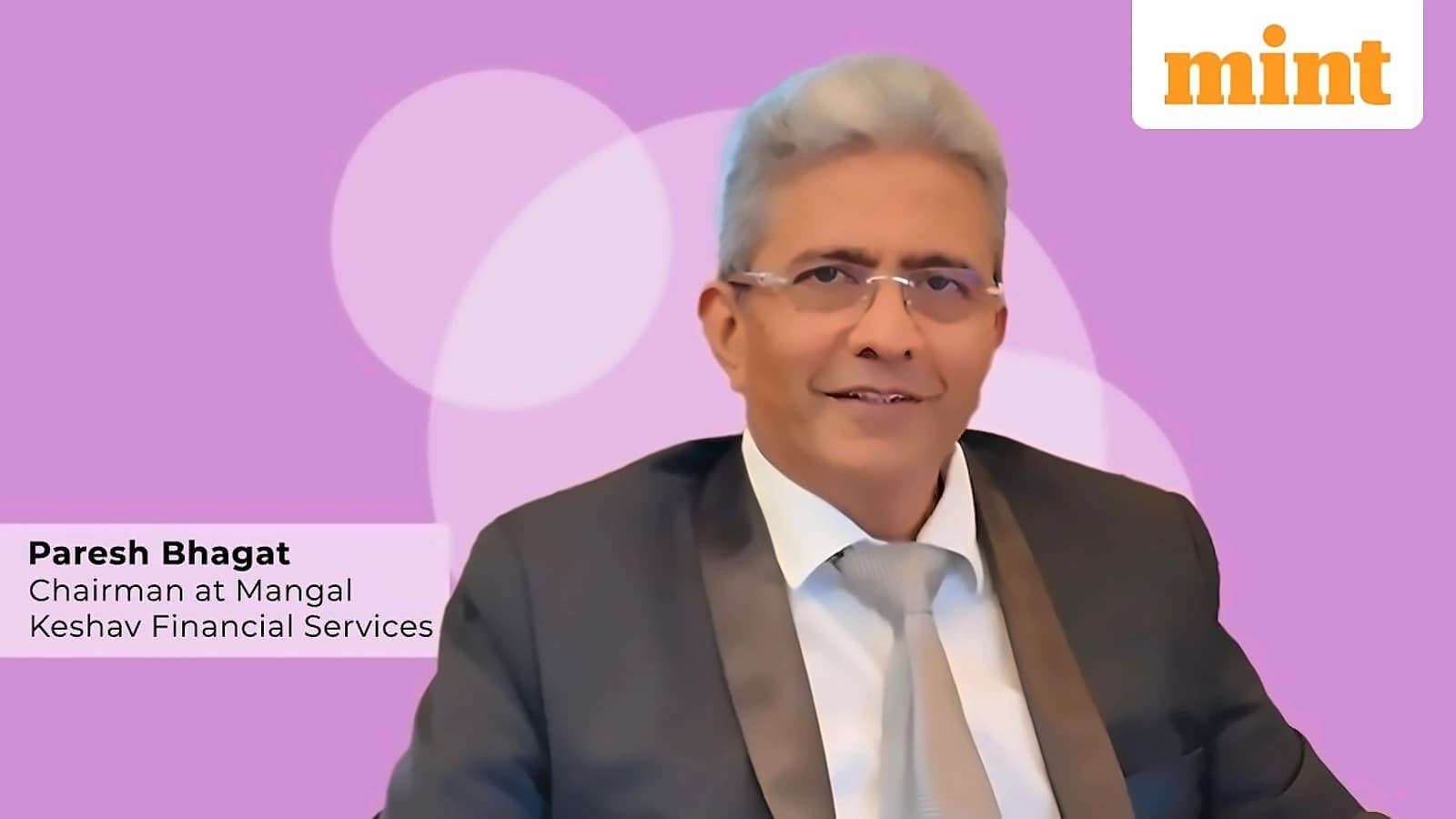
As reported by Mint, Bhagat advised against aggressive market chasing after bounces, suggesting that renewed declines could offer better entry points. The expert emphasized that markets don't move on long-term narratives alone; they also need macro breathing room. According to Mint, Bhagat's philosophy focuses on GQP (growth, quality, and price) principles, backing durable earnings and capital efficiency while maintaining valuation discipline. His newly launched Veer Growth Fund is designed to bridge private-market growth with public-market liquidity, with 2 to 3 portfolio companies expected to approach IPO readiness over the next 6 to 8 months. Latest market developments show Tesla kicking off Big Tech earnings season after beating Wall Street's targets but falling premarket on investor concern around capital spending plans, while roughly 85% of S&P 500 companies that have reported earnings so far this quarter beat expectations.