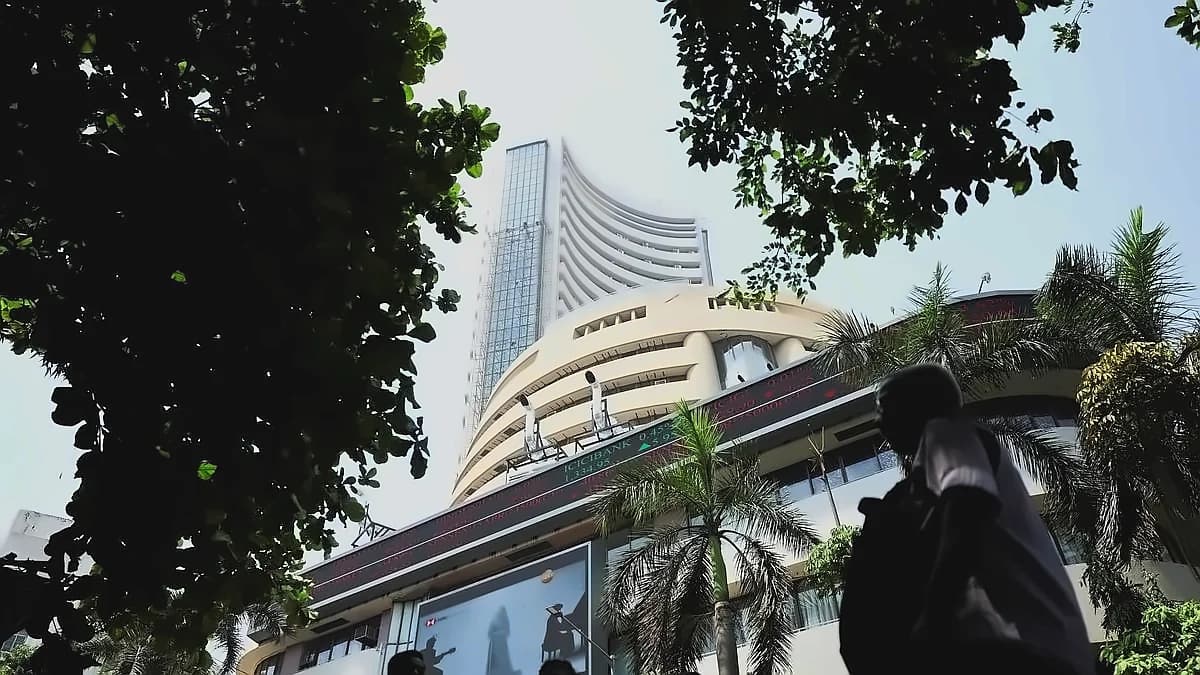
The Indian stock market benchmark indices experienced their worst session in recent weeks, with the Nifty 50 falling 1.5%, or 360.3 points, to close at 23,815.85, dropping below 24,000 levels for the first time since April 30. The Sensex slipped 1.7%, or 1,312.91 points to end at 76,015.28, extending losses for the fourth consecutive session. According to SBI Securities, PM Modi's advice to restrain spending to conserve forex and tackle pressure from rising oil prices led to panic selling, as markets reacted cautiously to concerns over rising imports and the need to reduce dependence on imported commodities.
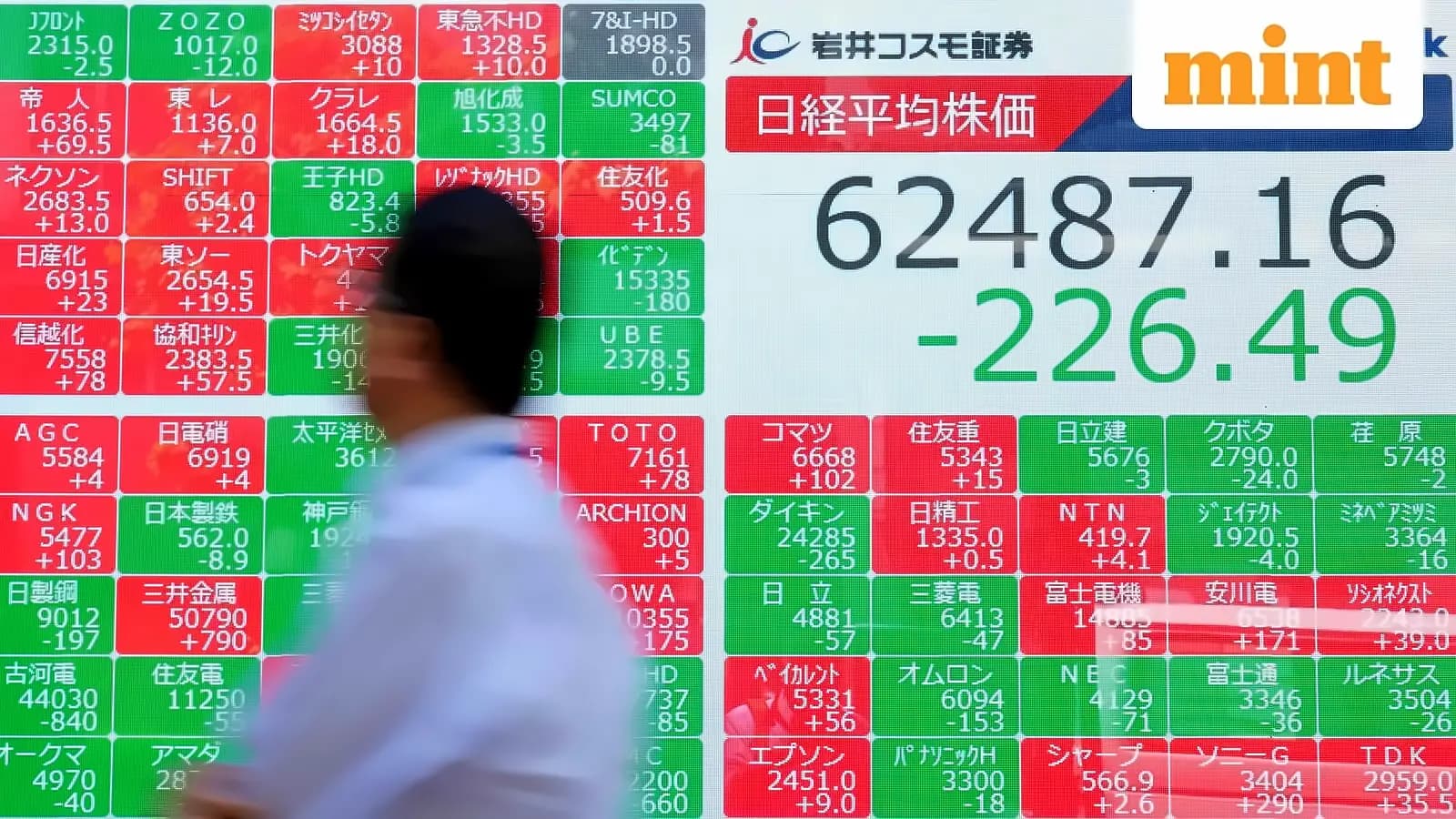
The Indian rupee ended at 95.31 per dollar, weaker than the previous close of 94.48, hitting a record low as it closely tracked oil price movements. The currency opened at 94.88 and fell through the day, with levels above 95.20-95.25 prompting intervention by the Reserve Bank of India, with state-run banks spotted selling dollars. As per LKP Securities, the speech has raised concerns about the pressure of a higher import bill on the economy and currency stability, especially with elevated crude prices continuing to strain the external balance. The rupee's weakness reflects broader concerns about India's import dependence and forex reserves amid the escalating geopolitical tensions.
Brent crude oil futures rose 3.1% to $104.4 on Monday after Trump rejected the new Iran peace offer, marking a significant escalation from previous levels. According to Moneycontrol, crude oil prices have risen nearly 3% amid concerns over supply disruptions in the Strait of Hormuz, with Brent crude futures trading at $104.4 per barrel and US West Texas Intermediate gaining momentum. The increase in oil prices has also spooked the 10-year benchmark government bond yield, which closed at 7.03% on Monday, five basis points higher than its previous close. Prime Minister Narendra Modi renewed his appeal for economic restraint, urging citizens to support the government's austerity measures amid ongoing disruptions linked to the US-Iran war.
The India VIX volatility index jumped 10.2% to 18.6, suggesting that traders anticipate higher risk in the near term. According to Trust Mutual Fund, the global uncertainty due to the West Asia war has made investors hesitant about deploying lumpsum funds and the market is likely to remain range-bound in the near term with a bearish bias. Technical analysts from Motilal Oswal Financial Services noted that the gap down opening is expected to be a corrective pullback in an uptrend and not a trend reversal, with the Nifty downside expected to be limited to 23,500-23,600 levels. However, while Q4 earnings are largely in line, the higher oil prices are expected to eat into future earnings which could lead to valuations correcting.