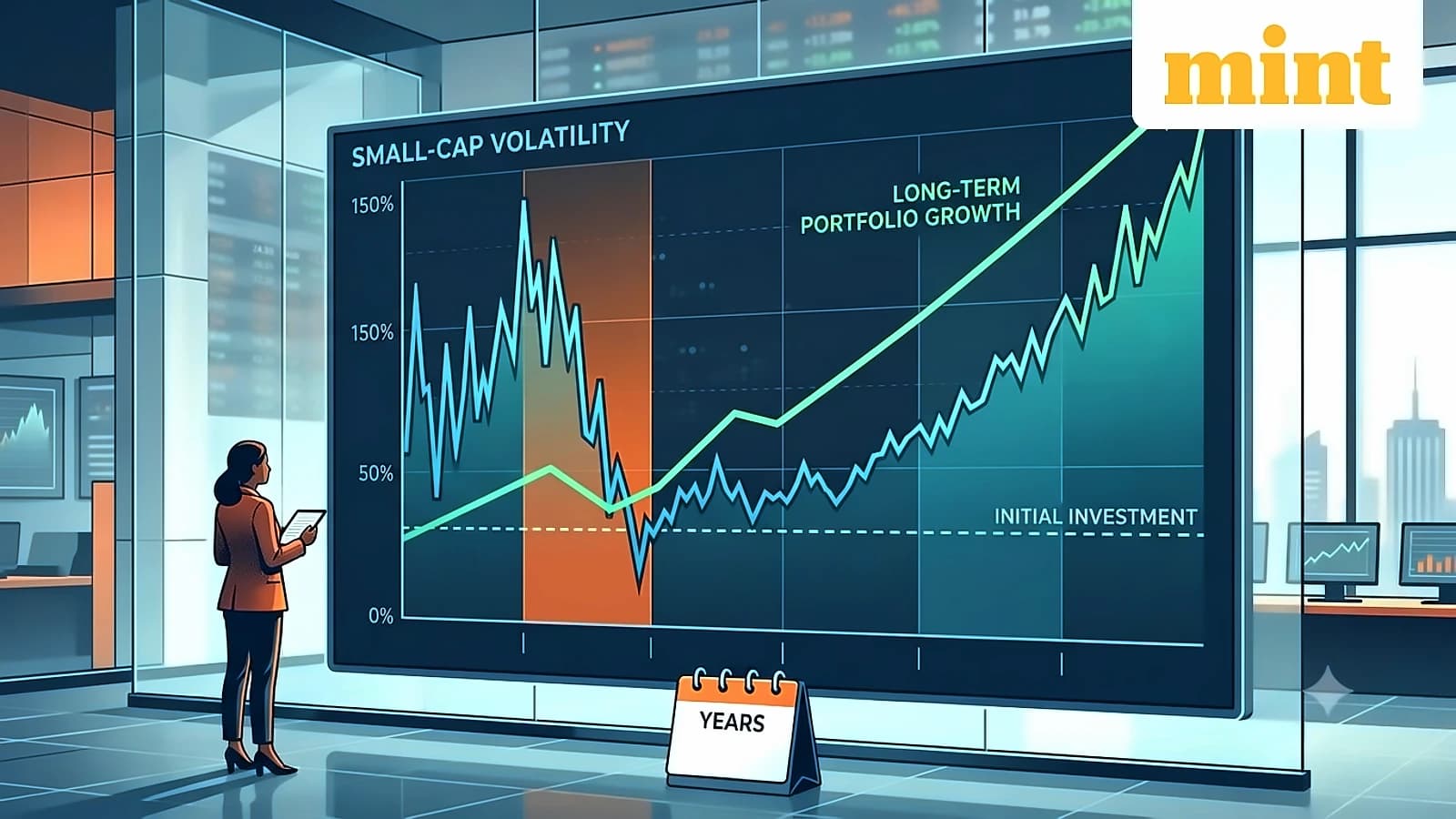
Recent analysis by experts demonstrates the devastating impact of missing market recovery sessions in real-world terms. According to Zee Business, an investor with a ₹25 lakh investment over 20 years could have accumulated approximately ₹2.88 crore if fully invested throughout the period, assuming 11-12% annualised compounding returns. However, missing just five of the market's best trading days could reduce this wealth to around ₹1.85 crore, resulting in a potential loss of approximately ₹1 crore over the investment period. This practical example illustrates how concentrated returns can be during specific market recovery phases, even during bearish market trends.

According to research by Abakkus Mutual Fund, missing just the 50 best-performing days in the Nifty Smallcap 250 significantly impacted long-term returns. Investors who missed these key sessions saw their annualised returns fall from 15.26% to 4.54%, highlighting the substantial impact of market timing on small-cap investments. The study analyzed the Compounded Annual Growth Rate (CAGR) of major equity indices from April 2005 to October 2026, covering more than 21 years of market data. Zee Business experts confirm that sharp market recoveries often occur during bearish market phases when investors are more likely to remain on the sidelines out of fear.
The research revealed a clear pattern of declining returns as more strong sessions were excluded from investment periods. Missing the best 10 days reduced returns to 11.96%, while missing the best 30 days brought them down to 7.83%, nearly half the fully invested return. The most dramatic impact occurred when missing the best 50 days, which reduced returns to just 4.54%. This data demonstrates how concentrated returns can be in small-cap markets during specific periods, with experts noting that missing recovery days during bearish trends can be particularly costly for investors.
Recent performance data shows that small-cap funds continue to deliver strong returns despite timing risks. TRUSTMF Small Cap Fund and Bank of India Small Cap Fund both achieved 30.43% and 30.33% returns respectively on SIP investments over the past year. Nippon India Small Cap Fund, the largest small-cap fund by assets managed, delivered 10.43% returns on SIP investments. Parag Parikh Flexi Cap Fund, the largest active flexi cap fund, provided 10.72% returns on SIP investments. These funds demonstrate that despite timing risks, small-cap investments can still generate significant returns for disciplined investors.
Abakkus Mutual Fund emphasized that the findings reinforce the importance of investment discipline and appropriate investment horizons in the small-cap segment. Zee Business experts advise investors to remain invested for the long term instead of repeatedly exiting and re-entering the market, noting that behavioral biases can interfere with market re-entry decisions. The analysis suggests that timing the small-cap market remains particularly challenging, requiring careful consideration of market timing risks and maintaining appropriate asset allocation throughout market cycles.