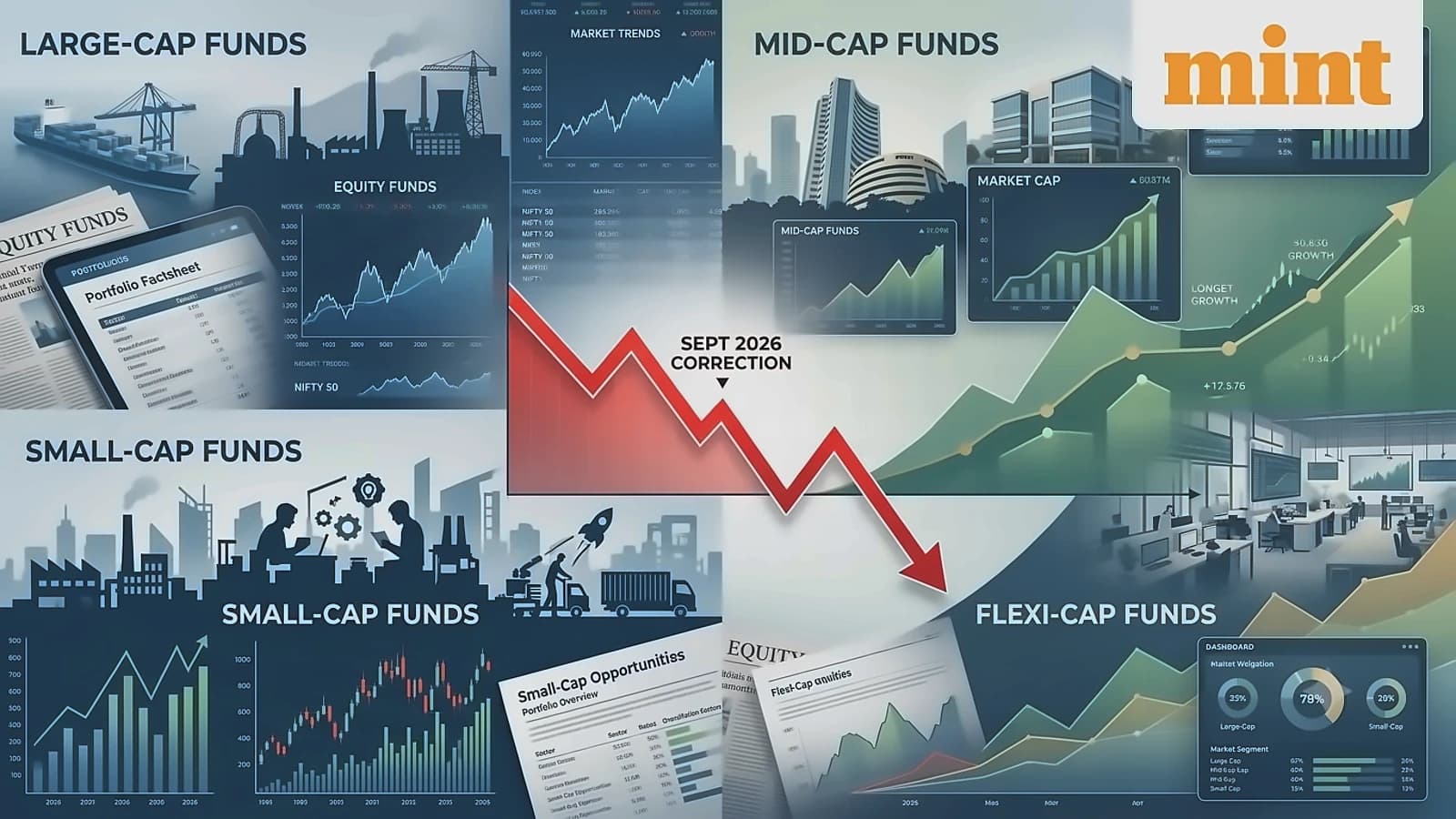
According to a new study by DSP Mutual Fund, the Nifty Smallcap 250 Total Return Index (TRI) recorded intra-year declines of more than 20% in 12 of the last 20 calendar years (2005-2025), as reported by Mint. This means the index has experienced such sharp falls almost once every two years. In contrast, the Nifty 50 TRI, which tracks India's 50 largest listed companies by market capitalization, experienced similar declines in only four of the 20 calendar years. The study highlights that sharp corrections have been far more frequent in the small-cap universe than among large-cap stocks over the last 20 years.
As reported by Mint, the study illustrates that the final value of a ₹1 lakh investment in the Nifty Smallcap 250 TRI varied considerably depending solely on when the investment was made. An investment made just before the 2008 global financial crisis would have grown to around ₹4.3 lakh by March 2026, translating into an annualized return of about 8%. However, investing the same amount at the market bottom during the 2008 crash would have resulted in a corpus of nearly ₹17.7 lakh by March 2026, with an annualized return of around 18%. Similar patterns emerged during the COVID-19 market correction, with investments made in January 2020 growing to about ₹2.9 lakh by March 2026, while the same investment made at the March 2020 market bottom would have become approximately ₹5 lakh by March 2026.
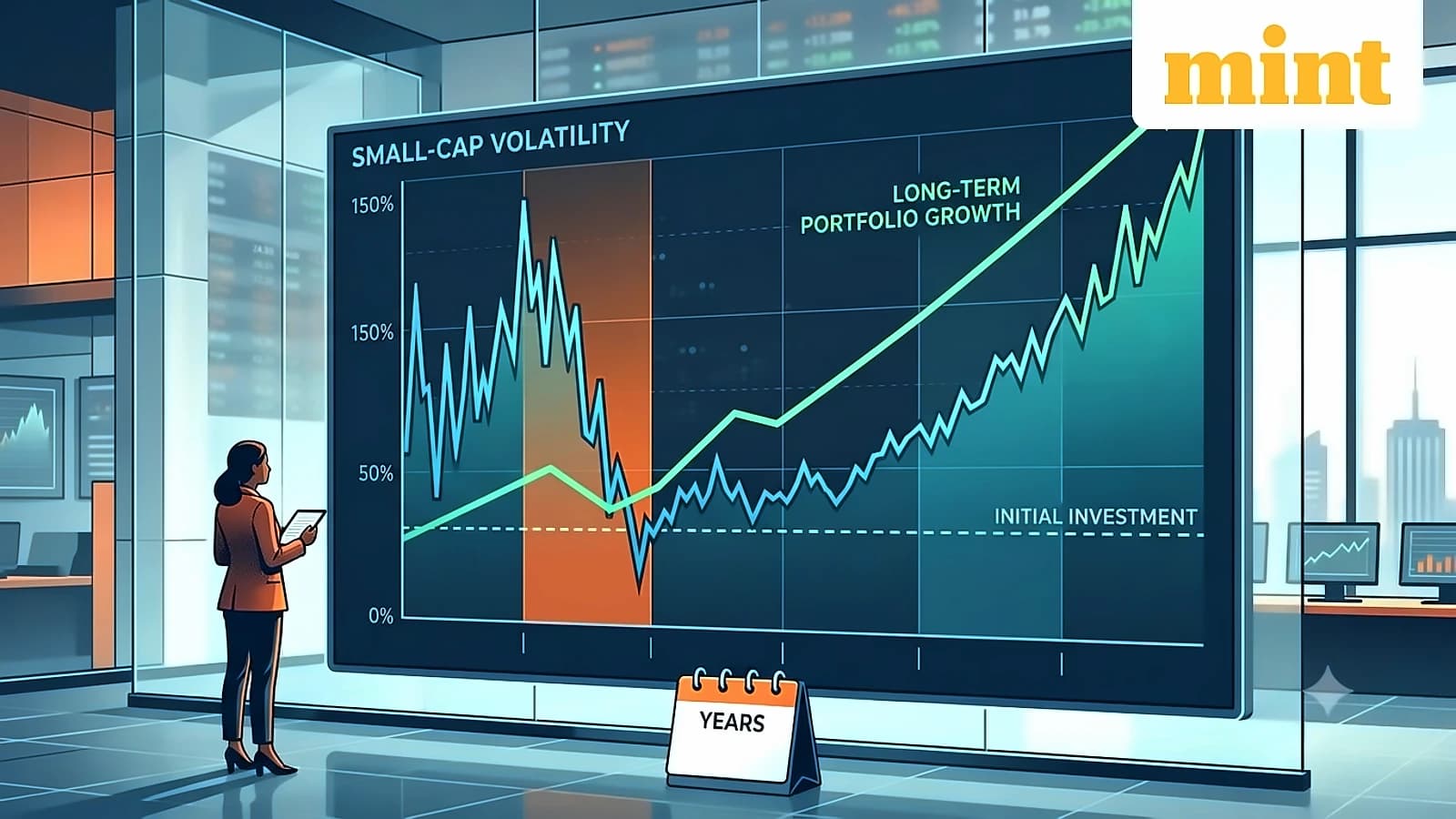
According to the DSP Mutual Fund study reported by Mint, a 10-year SIP in the Nifty Smallcap 250 TRI delivered a median annualized return of around 16% across all rolling 10-year periods since the index's inception. The study emphasizes that while one-time investments can produce very different outcomes depending on market timing, systematic investing reduces the dependence on getting the entry point exactly right by spreading investments across different market cycles. The research suggests that staying invested through volatility and adopting disciplined approaches, such as SIPs, reduces the impact of market timing on long-term outcomes for small-cap investing.