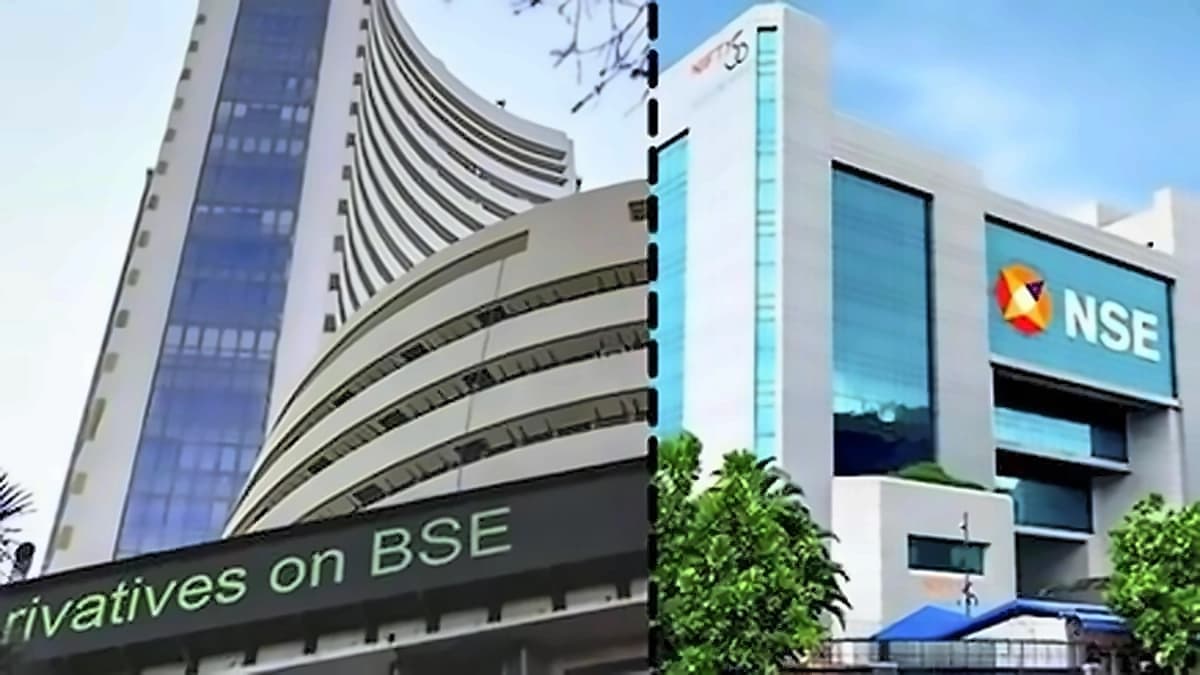
Indian equity markets delivered exceptional performance in April 2026, with the Nifty and Sensex surging around 7% despite facing significant headwinds. According to reports from The Hindu BusinessLine, the rally came despite benchmark indices closing nearly 0.75% lower on Thursday, demonstrating remarkable resilience across the board. The Nifty SmallCap 100 spiked 18.5%, Nifty Midcap 100 jumped 13.5%, and Nifty Next50 gained 15.4% during the month, with broader indices significantly outperforming the benchmarks.
Several sectoral indices demonstrated exceptional strength, with Nifty Defence, Nifty Realty and Nifty Capital Market indices skyrocketing 21-25% in April. As reported by The Hindu BusinessLine, the Nifty IT index faced pressure due to weak results but still managed to close 1% higher for the month. The standout performers included MTAR Technologies surging nearly 86%, followed by HFCL (71%), Websol Energy (71%), Sterlite Tech (67%) and Lloyds Enterprises (65%). Notable gains were also recorded by Ola Electric (60%+), Cohance Lifesciences (60%), and 63 Moons Technologies (58%).
The Indian rupee fell to a record low of 95.3250 on Thursday, down 0.5% on the day and eclipsing its previous all-time low of 95.21 hit in late March. According to The Economic Times, the currency decline was driven by Brent crude oil futures climbing to $126 per barrel, the highest in four years, as investors fretted over economic risks from resurgent crude prices threatening India's inflation-economic growth balance. Oil-sensitive Asian peers including the Indonesian rupiah, Philippine peso and Thai baht also weakened, reflecting broader concerns about energy supply disruptions and their impact on global markets.
Despite the strong market performance, foreign investors have significantly increased their selling pressure, with foreign investors offloading over $20 billion of Indian stocks and bonds over March and April 2026, nearly double the $11.8 billion of outflows from the same markets over all of 2025. As reported by The Economic Times, this represents a 4-way assault on Indian macro including trade frictions with the US, weakness in capital flows, and most recently, the most severe energy supply disruption in history. The rupee's decline has wiped out gains spurred by the central bank's use of rare currency-supportive regulatory measures late last month, prompting traders and analysts to speculate whether fresh measures could be on the cards.
Market experts provided insight into the rally's drivers and future prospects amid the challenging environment. Vinod Nair, Head of Research at Geojit Investments Ltd, noted that despite weak global cues, elevated crude prices and a depreciating rupee, India's equity markets rebounded from recent lows as investors used the correction to add exposure. However, Vikram Kasat, Head Advisory at PL Capital, cautioned that while earnings momentum and domestic fund inflows are likely to support the market, volatility might be witnessed due to FII selling, higher crude prices and global uncertainties. As reported by The Economic Times, HSBC estimates GDP growth would slow to 6.3% from an expected 7% this year if oil prices average $80 per barrel, and to 6% if prices remain closer to $100. The persistent weakness in the currency may also drive a negative feedback loop on foreign capital flows by eroding overseas investors' returns while adding to inflationary pressures.
Among the prominent stocks that faced challenges, HCL Technologies, Mangalore Refinery, Infosys and United Breweries were among the top losers, falling between 5% and 10.60%. According to The Hindu BusinessLine, the US Federal Reserve held interest rates steady but maintained a firm policy stance, supporting the US dollar and tightening financial conditions for emerging markets. Despite these challenges, the overall market sentiment remained positive with investors showing confidence in India's long-term prospects, though the rupee's slide to record lows has added to concerns about the sustainability of current market levels.